
TAKE OFF YOUR SHOES
English was the welcome mat. Korea was the house. Six months inside BTS's comeback album, ARIRANG.
By Amélie Rae Mayumi, The Noun · Published 20 September 2026, 1:00 p.m. KST / 19 September 2026, 9:00 p.m. PT
Tokyo Dome. April 17, 2026. A sold-out house, an ocean of purple, and then, late in the night, "Body to Body" folds mid-beat into a melody older than anything else in the building. A pansori voice climbs over the bass. The entire stadium, unprompted, sings along.
The song is "Arirang."
I watched it on a screen, in a movie theater in San Diego, at the far end of a live simulcast and half a world from the room. It still took the air out of the place.
Sit with that for a second because it is the whole story in miniature. A little over a hundred years ago, that song was an act of resistance against the empire whose capital this is — a state trying to erase not only a people but their language, their history, the whole record of who they had been. Tonight a crowd in Tokyo is singing it at the top of their lungs, in joy, led by seven Korean men.
That is not a concert moment. That is a reckoning set to music. The next night, in the same building, it happened again—110,000 people across both.
Almost nobody who spent March complaining about ARIRANG saw it coming.
WHAT "ARIRANG" IS
A Korean folk song commonly dated back six centuries, though scholars differ on its age—not one song but a family of thousands of regional variants, unified by a refrain about parting and longing. Under Japanese occupation, when Korean songs and symbols were suppressed, "Arirang" became the substitute. People sang it at independence demonstrations, in labor camps, in exile. Several versions were banned outright in the 1930s. UNESCO, the United Nations' cultural agency, has inscribed it on its list of humanity's intangible heritage twice: once for South Korea in 2012, once for North Korea in 2014. It is the rare thing both Koreas claim.
"Too Much English"
Let's name the complaint, because it was loud.
When BTS released ARIRANG on March 20, 2026—their first album of new material in more than five years, their first since all seven members completed mandatory military service—the verdict arrived within hours. Too much English. Trying too hard. Chasing the West. Where's the Korea? Where's the old BTS?
The objection was neither fringe nor exclusively foreign. At home, Korean-language coverage recorded a second complaint: the record was over-produced, the raw hunger of Dark & Wild sanded off it. Others pointed at the credits—Diplo, Ryan Tedder, Mike WiLL Made-It, Flume, Kevin Parker, JPEGMAFIA, El Guincho, sitting alongside Pdogg, who has produced BTS since the beginning—and read a lineup assembled for an American market.
Then there is the complaint nobody outside Korea saw coming. For some Korean listeners the problem was not that the album was too English—it was that the Korean was calculated. Wrapping a comeback in the country's most sacred folk song, right as seven men returned from military service and needed a story, looked less like devotion than like strategy. Arirang put to work. One camp said not Korean enough. The other said Korean for the wrong reasons.
One fact should stop anyone who wants this simple. BTS said it first.
In BTS: THE RETURN, the Netflix documentary released a week after the album, you watch them debate it. The film was directed by Bao Nguyen, the Vietnamese American filmmaker behind The Greatest Night in Pop and Be Water, produced with HYBE and This Machine. For a project made with the label's cooperation, it is startlingly unguarded. The tension runs in both directions at once, which is exactly what makes it useful.
First they worried the album was too Korean. Boyoung Lee, HYBE's chief creative officer, brought the Arirang story to the members, suggesting a song about longing for something you love might resonate with seven men who had spent years apart from one another and from ARMY. They were not immediately sold. SUGA says the agency wanted the folk song "in your face." Jimin, after hearing a version carrying a longer stretch of the melody, says plainly that he doesn't know if it's right. RM says he has a physical reaction to linking the band to something that monumental.
Then they worried about the English. RM and SUGA both raise it on camera: how much there is, what it might cost them, what it says about who the record is really for.
The argument is settled on film by Bang Si-hyuk, who founded Big Hit, built it into HYBE, and picked these seven to become BTS in the first place. He tells them two things are equally undeniable: that they are a once-in-a-generation act and that they are Korean—so their audience is now a global one rather than only a Korean one.
That is the answer and it is not a compromise. This was not a group cheerfully bolting Korean heritage onto a Western pop product. This was seven humans in a room in Los Angeles working out how much of a national inheritance they had the right to touch and how much English they could sing before they stopped singing in Korean.
One version of the complaint deserves its own answer: we miss the old BTS.
The old BTS is the argument. Most of the world met this group at "Dynamite" and "Butter"—bright, bubblegum, disco-inflected English singles released into a pandemic and built to make frightened people feel briefly weightless. They worked. They also carried BTS to the first Grammy performance and nominations any K-pop act had received.
Go back further and the same group looks nothing like that. 2 Cool 4 Skool, Skool Luv Affair, Dark & Wild: punchy Korean lyrics about the frustrations and pressures of young people trying to survive competitive, exhausting lives. In 2014, the year Dark & Wild arrived, those same seven were in Los Angeles filming American Hustle Life—handing out flyers on the boardwalk in a language they barely spoke, trying to fill a free show. ARIRANG was made in Los Angeles too. Twelve years apart, same city, same seven men.
That is not a group that changed. Those English singles were the first welcome mat. They worked so well the world mistook the mat for the house.
That tension is why the record works. Made without it, ARIRANG would have done one of two things: turned "Arirang" into a hook, or left "Arirang" out. What the argument produced instead is an album that puts the folk song where a Korean home puts its most precious object—not in the front window, but deep inside, found only by a guest who comes in and stays a while.
Then the receipts arrived. ARIRANG debuted at No. 1 in more than twenty-five countries and became BTS's seventh album to top the Billboard 200. Fans pre-saved it more than five million times on Spotify, the most ever for a K-pop group. It crossed a billion streams in sixteen days, all fourteen tracks clearing a hundred million apiece. Six months on, it has spent twenty-five consecutive weeks on the Billboard 200 and sold a million pure copies in the United States—a mark Map of the Soul: 7 took three years and eight months to reach. They didn't do it by softening. Eighty-eight nights, twenty-three countries, and crowds singing Korean back at them. The sellout theory died when they sold out stadiums worldwide.
The cultural charge—the you forgot where you came from charge—deserves a real answer. Here it is and it governs everything that follows.
The English was never the house. The English was the welcome mat.
English Is the Welcome Mat
Here's how hospitality actually works. Not the Pinterest version—the real one, the kind anyone who has hosted a proper dinner understands in their bones.
When a guest is coming, you don't make them learn your language at the door. You learn theirs. You find out what they eat, what they can't eat, how they take their coffee. You meet them where they are so they can relax enough to come inside. The work is yours to do, gladly, because they are the guest. That is not submission. That's the oldest form of power a host has.
English is the most-spoken language on Earth. So BTS—a Korean group singing in Korean for more than a decade—put more English on a record than they ever had. That is one of the most welcoming gestures a host can make.
That's the welcome mat. It says one thing. Come in.
Then you cross the threshold and you're standing in a house that is Korean from the floorboards to the rafters. Every. Single. Room.
So take off your shoes.
Now the part nobody counted on. They sang in English so the world could reach the door. Six months later, the world is learning Korean. In Vogue, from the members themselves. In a Google language experience built for global fans who wanted to go further. In stadium crowds across five continents singing lyrics in 한국어 they couldn't read a year ago.
On a Weverse live during the European leg this summer, fans flooded the chat begging Jung Kook to speak English. He answered that he loves them, but rather than asking him to speak English they should try learning Korean—he's studying English at his own pace, and if they meet him halfway, they can actually talk to each other.
The door is English. The house is not.
Come In — But Shoes Off at the Door
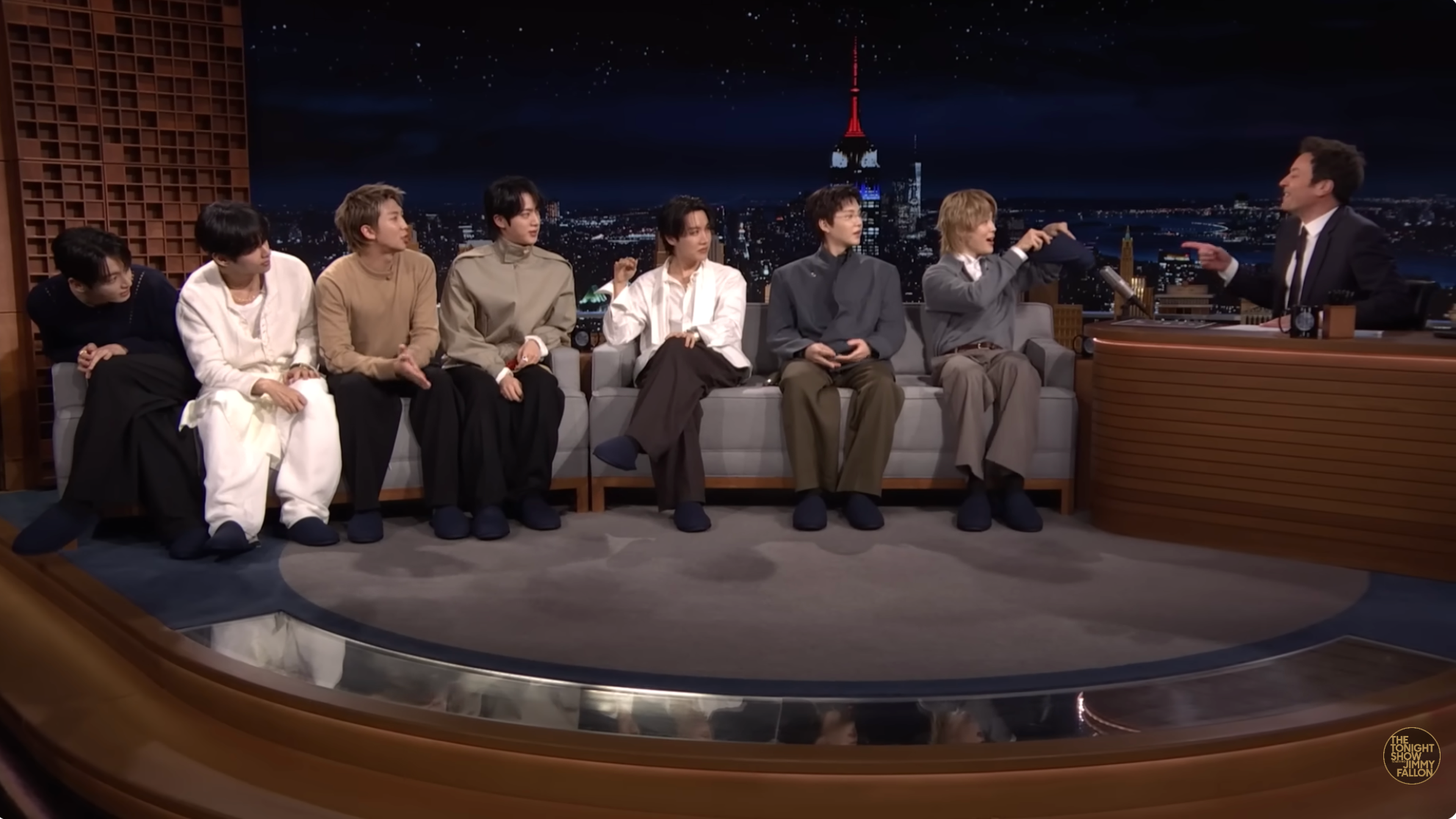
BTS on The Tonight Show. In a Korean home you leave your shoes at the door and put on house slippers, so they came in wearing them and brought Jimmy Fallon a pair of his own.
That house rule is on the record itself, if you were listening.
"Aliens," track three, carries underneath its swagger the oldest immigrant ache there is: being looked at funny, being sized up before you open your mouth, being discussed in a language you are still learning. Then it turns. Being an outsider on a global stage is its own category of exposure, and the song takes the insults and builds a staircase out of them.
Folded into that song is a quiet instruction. When you come into this house, your shoes come off.
It is a joke and it isn't. Shoes at the door is Korean, and it is also Japanese, Filipino, Polynesian, Turkish, Russian, Scandinavian—most of the world, in fact. It is the majority practice. What's unusual is having to explain it.
That's the thing worth holding onto here. When seven Korean men insist on the rules of their own house, they are not speaking only for Korea.
Then, on July 29, they showed what that's worth.
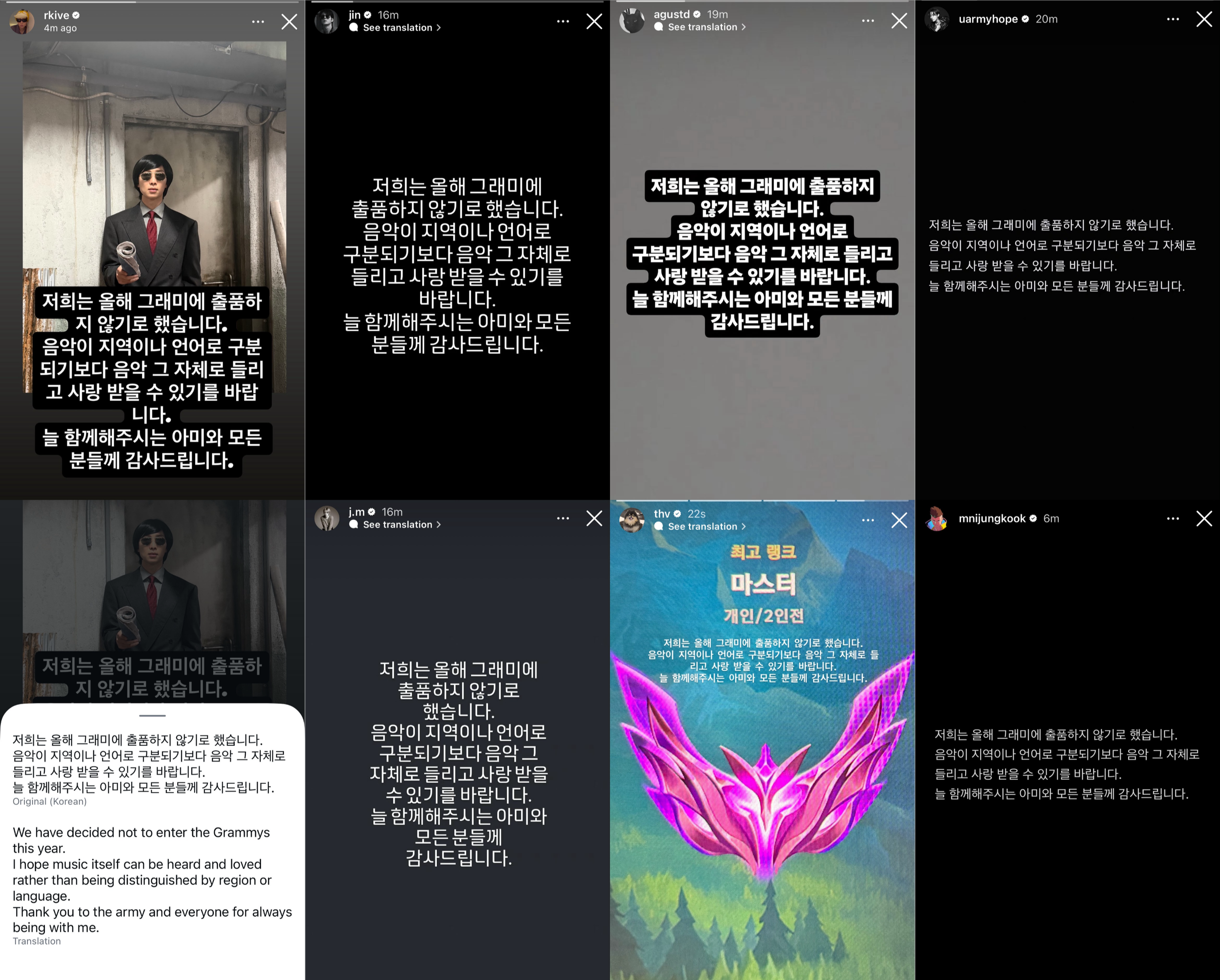
The members' Instagram Stories, July 29, 2026, captured within the hour. The posts expired after twenty-four hours.
All seven posted the same three lines. No press release. No label letter. Not even a permanent post.
저희는 올해 그래미에 출품하지 않기로 했습니다.
음악이 지역이나 언어로 구분되기보다 음악 그 자체로 들리고 사랑 받을 수 있기를 바랍니다.
늘 함께해주시는 아미와 모든 분들께 감사드립니다.We have decided not to enter the Grammys this year. We hope music can be heard and loved as music itself, rather than divided by region or language. Thank you to ARMY and everyone who is always with us.
RM posted his in character from the "2.0" video. V laid the statement over his League of Legends rank card, Master tier, solo/duo. The other five posted plain text on black. Nobody coordinated a font. Seven men declined the most prestigious award in their industry with roughly the ceremony of a lunch photo.
A month earlier the Recording Academy had announced Best Asian Pop Music Performance, one of five new categories for 2027—pop performances from or widely recognized within Asian markets, "including but not limited to K-pop, J-pop and C-pop, with meaningful use of one or more Asian languages." BTS was the presumed frontrunner. Five nominations across their career, no wins, and an album that had just swept the planet.
Recording Academy CEO Harvey Mason Jr. said he was saddened, and that he respected the decision. The category was built to expand rather than divide, he said, and entering it would not have disqualified them from Album or Song of the Year.
Understand what that decision actually did. Someone built a room off the side of the American house, labeled it Asian Pop, and held the door open.
They declined to step onto that mat.
Not with a boycott. Not with a statement of protest. With a shrug, on a Wednesday afternoon, in Korean.
The shrug was not a small thing to perform. A Grammy has been a stated ambition of this group for most of its career—named in interviews, chased across five nominations and three performances, never won. What was on the table in 2027 was the likeliest win they have ever been offered. They passed on it, because the terms of that win were a field of other Asian acts rather than the field they had spent thirteen years earning their way into.
Three weeks later, the Academy started over. By mid-August, Mason and his leadership had spent two weeks consulting artists, labels and managers across K-pop, J-pop, C-pop and Indian music—HYBE among them—and had brought the full Board of Trustees and the Awards & Nominations Committee in to reshape the category.
Seven men posted a story that disappeared in twenty-four hours. Then the Grammys reopened the category.
"Everybody know now where the K is." —RM, "Aliens," ARIRANG
A Tour of the House
Once you see the welcome mat for what it is, the whole album reorganizes itself in front of you.
I have spent six months in this house and keep finding rooms I didn't know were there. More than that, I keep finding the people who built them. The temptation with a group this size is to write about seven men. The truth is closer to a solar system: seven bodies at the center, and around them hundreds of Korean producers, designers, singers, curators, dancers, engineers and craftspeople—some working now, some dead a thousand years—whose names rarely leave the country. This tour belongs to them too.
The seven, for their part, already think of themselves in those terms. Each member carries a small hand-drawn 7 tattoo somewhere on his body—behind Jung Kook's ear, on SUGA's shoulder, Jin's forearm, RM's ankle, Jimin's finger, J-Hope's calf, V's side—seemingly placed to trace the Big Dipper, the asterism inside Ursa Major that northern sailors have used for centuries to find Polaris and steer home. The constellation runs through the ARIRANG merchandise (shown below): a Big Dipper with a small metal 7 where each star should be, and Weverse Shop's own product copy names it: "a Big Dipper graphic representing the seven members of BTS."
Space is not a one-off for them. In 2018 they released a song titled "134340"—the minor-planet number the International Astronomical Union assigned to Pluto after stripping it of planethood. RM has said the demotion genuinely bothered him. The song is about being discarded by something that once orbited you, and unless you follow it in Korean, you will hear a breakup track and move on.
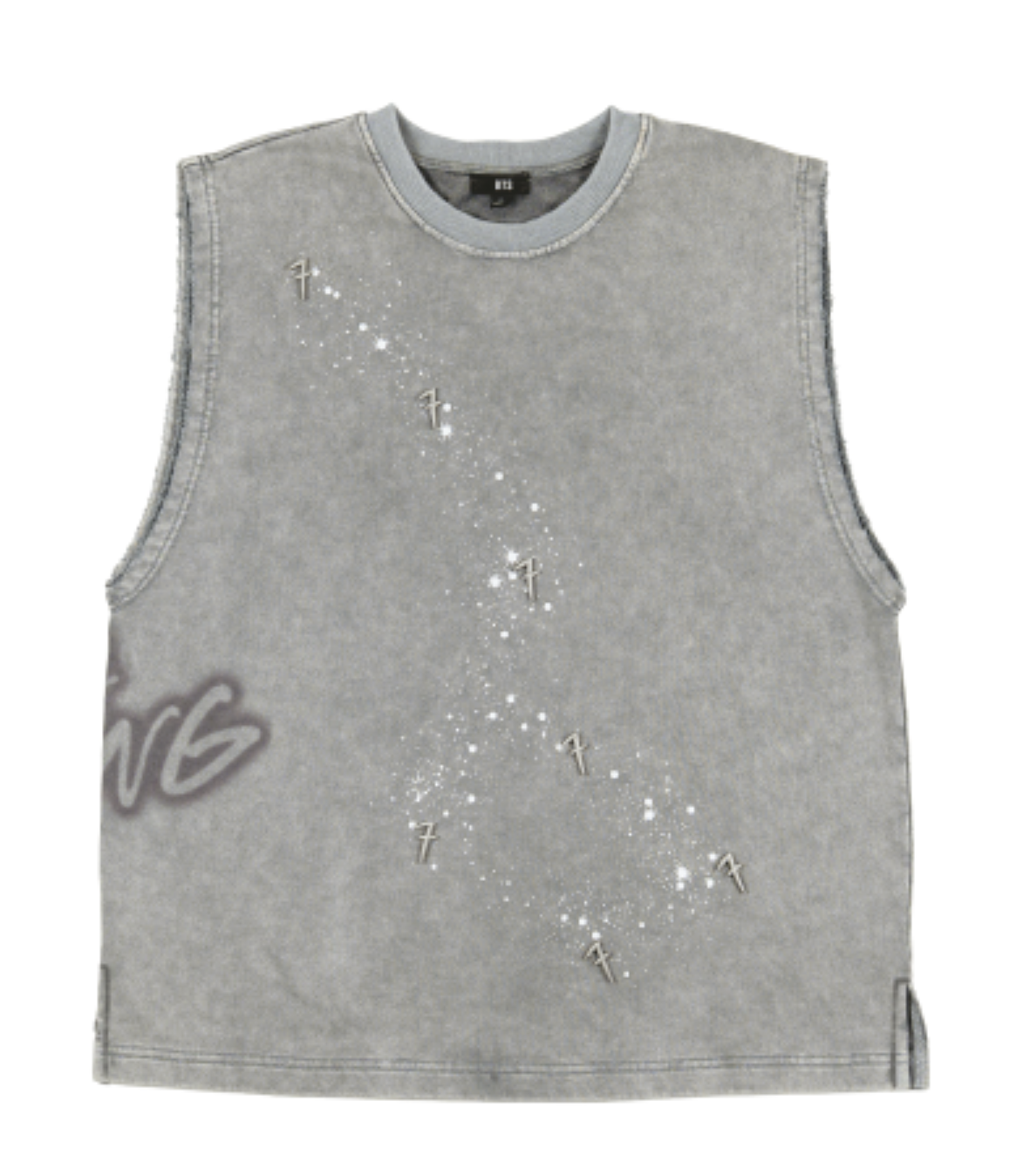
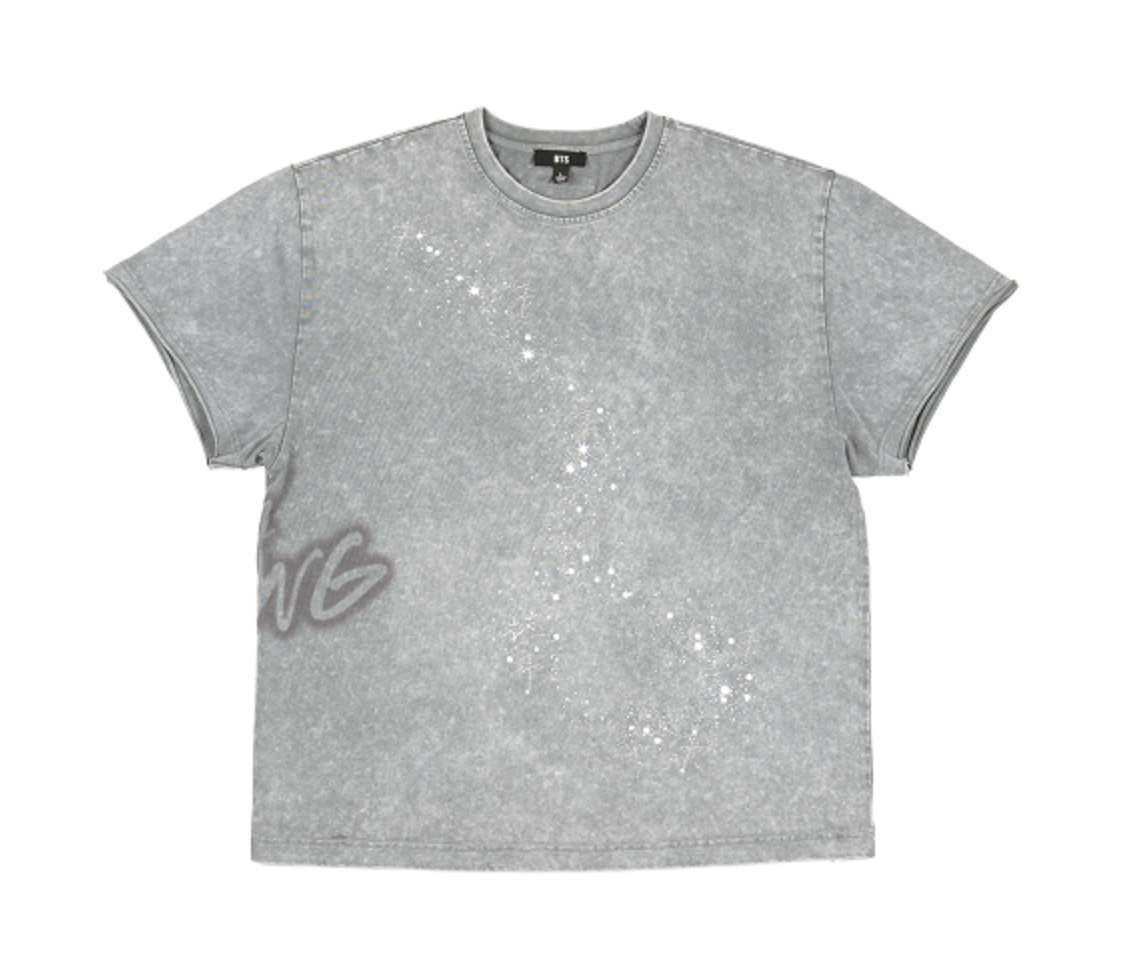
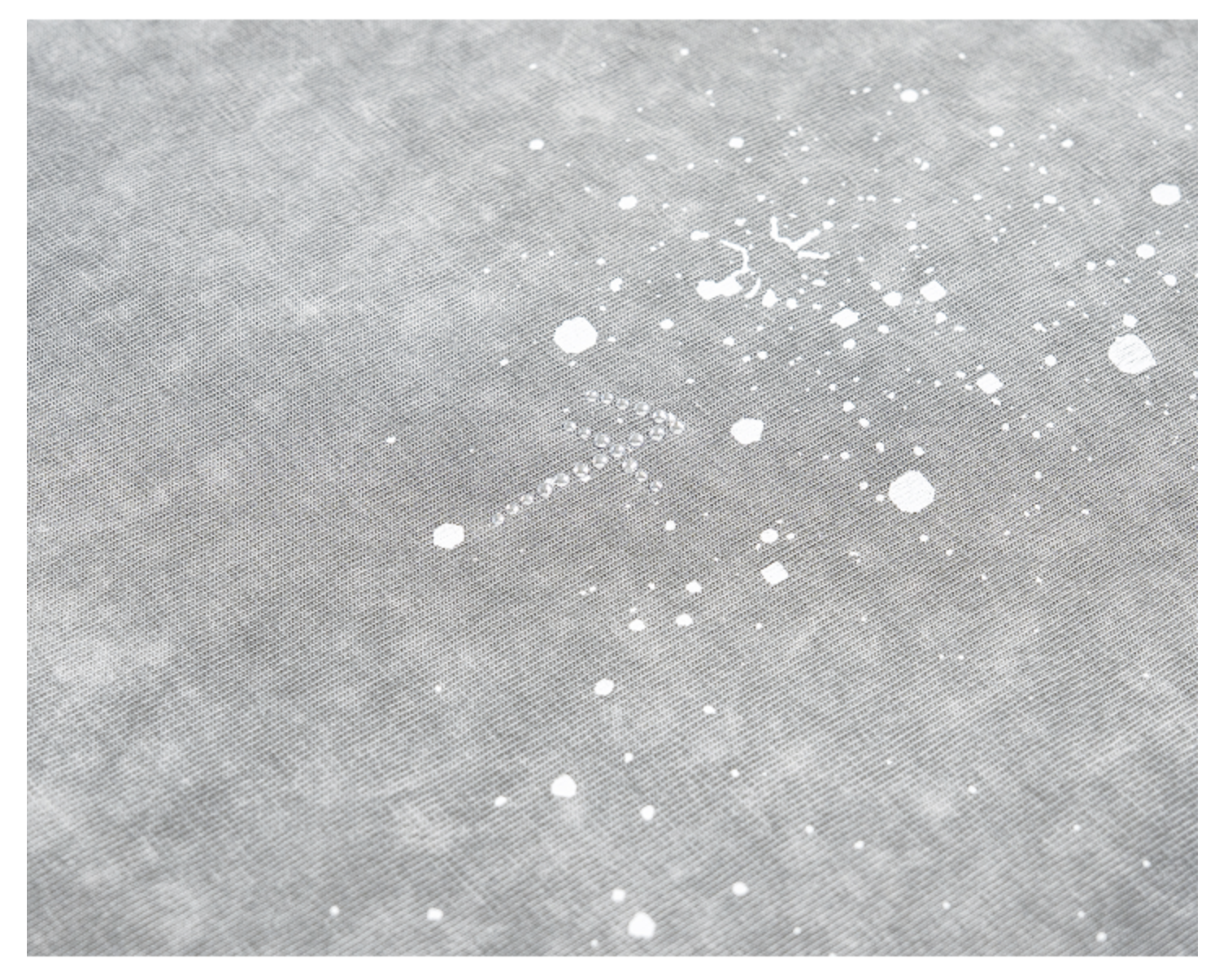
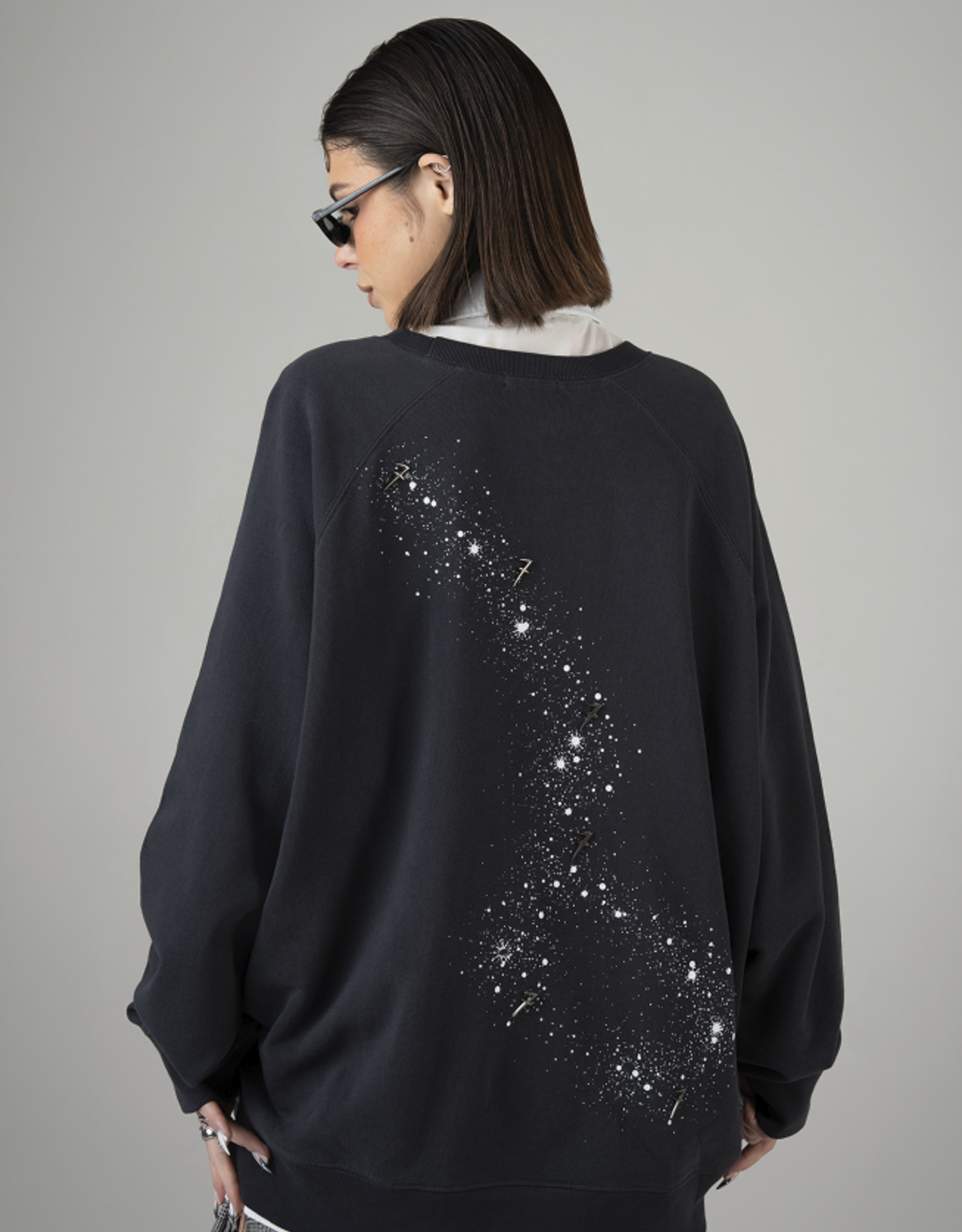
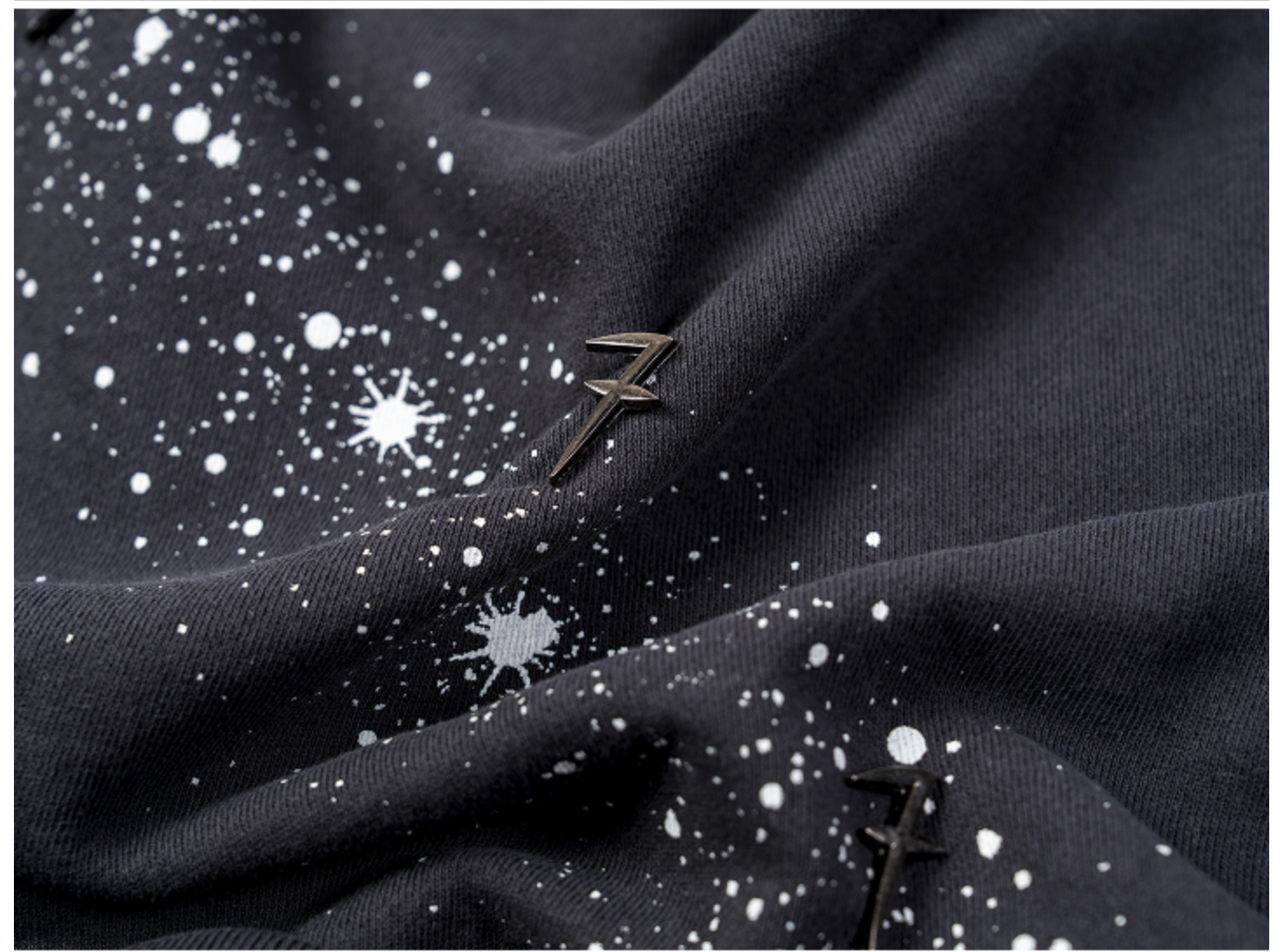
BTS World Tour 'ARIRANG' collection. The Big Dipper rendered in seven metal 7s. Weverse Shop.
That is why six months went by. The Noun covers art, culture, design, philosophy and tradition, and this catalog keeps returning material in all five—but only in Korean, and only to whoever does the reading. I started Pimsleur Korean for this piece. I am now in Korean II. Every layer I got down to had another one under it.
The foundation—the folk song under the floor. The opening track, "Body to Body," doesn't merely reference Korea. It is built on an actual recording of "Arirang"—the folk song the album is named for—sung by traditional vocalists and lifted from a 2007 KBS Chuseok special, woven together with "Hand in Hand," the 1988 Seoul Olympics theme. As the beat shifts from electric to acoustic, a pansori-style rendition rises, then fades. A percussive anthem about skin-to-skin stadium togetherness, holding up two of the most-sung melodies in modern Korean life. That is not decoration. That is a foundation.
The rafters—a Korean shout dropped into a trap beat. "Hooligan," track two, is one of the strangest and best things BTS has ever made: a rhythm track constructed literally from the sound of sharpening knives, cinematic strings, eerie laughter, cavernous 808s. Buried in J-Hope's verse is 얼쑤 (eolssu), the cry of encouragement a Korean audience shouts during pansori, sitting shoulder to shoulder with English slang and a SUGA reference to El Cucuy, the Latin American boogeyman.
The staging spoke the same language. Performing "Hooligan" at the Gwanghwamun homecoming, RM rapped into a microphone stand sculpted as a dragon's claw, made for him by the Korean artist who works as @junghoihyung.
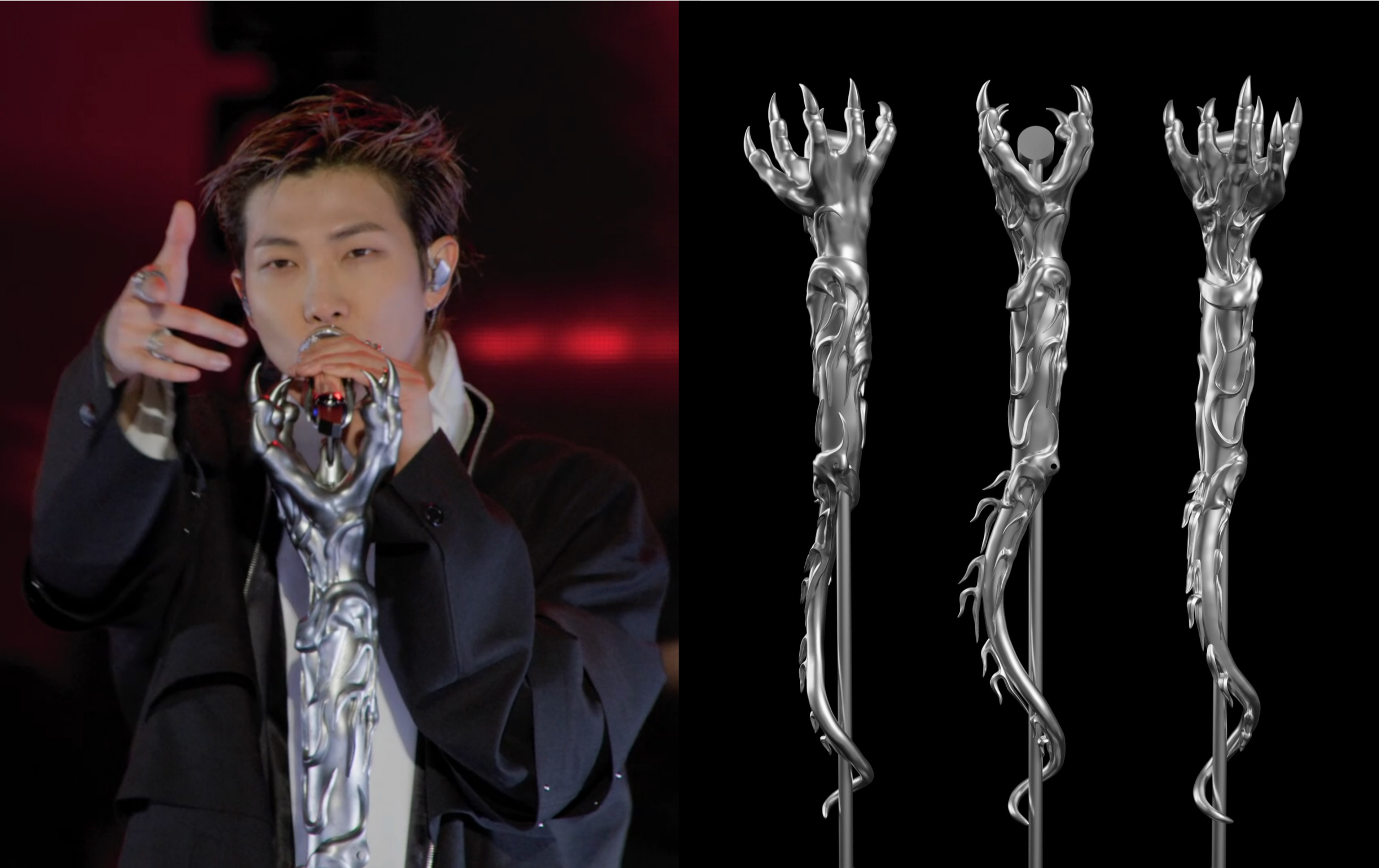
RM's microphone stand for "Hooligan," Gwanghwamun Square, March 21, 2026. Sculpted by @junghoihyung.
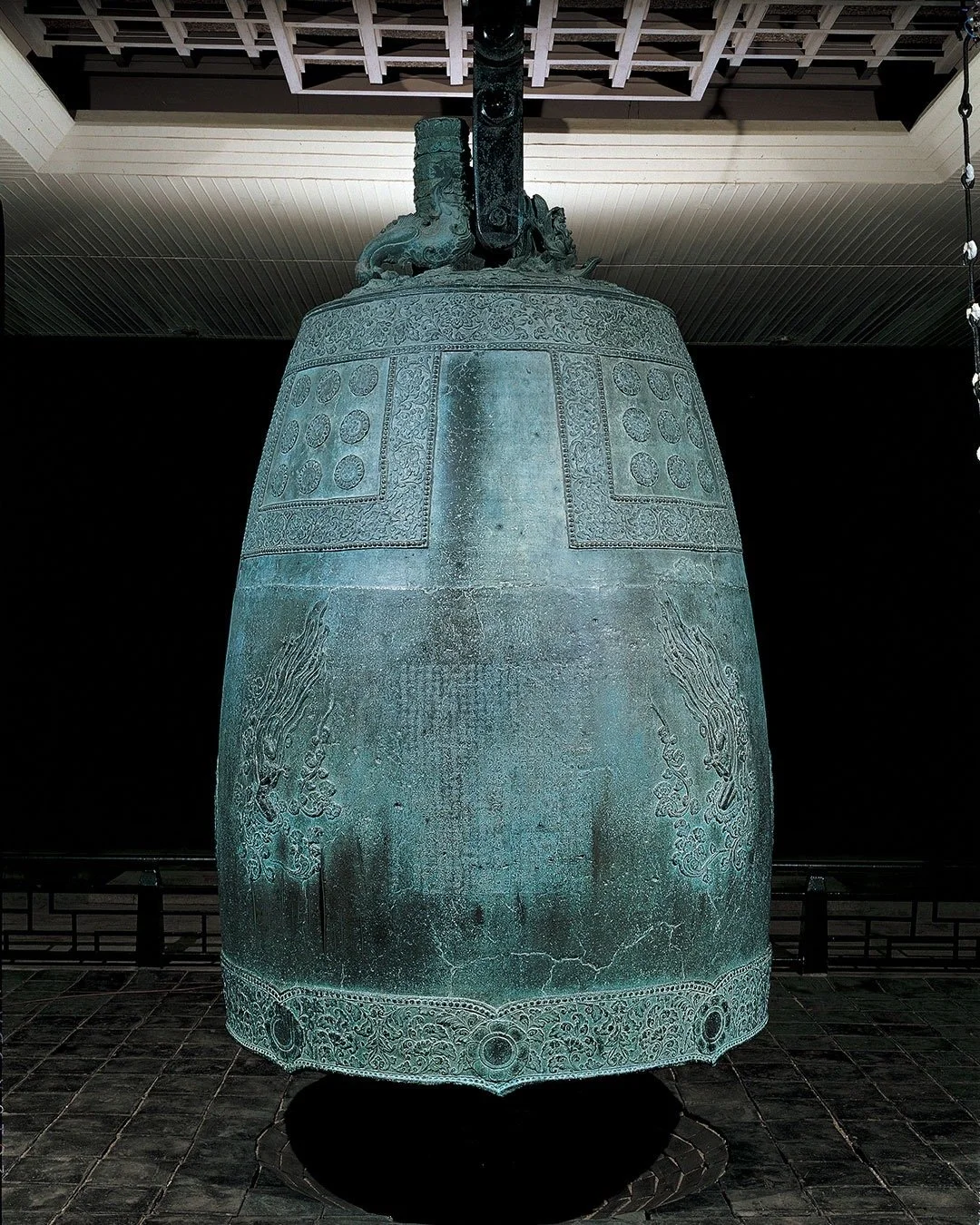
The vault—a national treasure as a track. Track six is called "No. 29." It runs one minute and thirty-seven seconds, and it is, almost entirely, the sound of a bell.
The Sacred Bell of Great King Seongdeok, the Emille Bell, cast in 771 CE during the Unified Silla period, the largest surviving bell in Korea, held at the Gyeongju National Museum, officially designated National Treasure No. 29. In his studio notes on Weverse, RM explained that the track's length matches exactly how long the real bell rings out before fading into silence. Streaming platforms round it to 1:38. The bell decides the real number. Turn it up and you can hear the street behind it—cars, air, Gyeongju. They recorded it where it hangs.
It is the hinge of the record, the door between the album's loud, defiant first half and its tender, searching second. They put a 1,255-year-old national treasure in the middle of a pop album and asked you to sit still and listen to it disappear.
The cinema room. The music video for "2.0" is a love letter to Korean film, a nod to the corridor sequence in Park Chan-wook's 2003 masterpiece Oldboy, down to RM lowering a newspaper in dark glasses as Oh Dae-su. They could have pointed at anything. They pointed at one of Korea's most revered modern directors and said: study this too.
The kitchen and the language class. A week after release, they made two videos for Vogue and gave the world an afternoon inside a Korean kitchen. In one video, Jin, V and Jimin make janchi-guksu, the banquet noodle soup, and misugaru, the roasted-grain drink, with the appropriate amount of chaos. In another, RM, SUGA, Jung Kook and J-Hope run an international fashion audience through real Korean expressions. Cooking and conversation: the two things that turn a guest into family.
The heirlooms. For the comeback, BTS partnered with MU:DS, the cultural merchandise label of the National Museum Foundation of Korea—their second collaboration with the institution—on a capsule whose every piece draws from the carvings of that same Sacred Bell. A layered skirt, a hairpin, a hair clip, a card holder, a shoulder bag, a soban tray. Museum craft you can wear to a stadium. The relationship runs deeper than a capsule: RM is an ambassador for the National Museum of Korea.
I write this as someone who owns three of these pieces: the bell-drawn skirt, a hairpin of three small circles echoing that ancient bronze, and a low soban tray of the kind Koreans have set their meals on for centuries. I wear them. I display them. They are proof this was never disposable merch. A national museum's own label put Silla bell carvings on a skirt and sent them out into the global bloodstream. It worked. I'm holding the evidence.
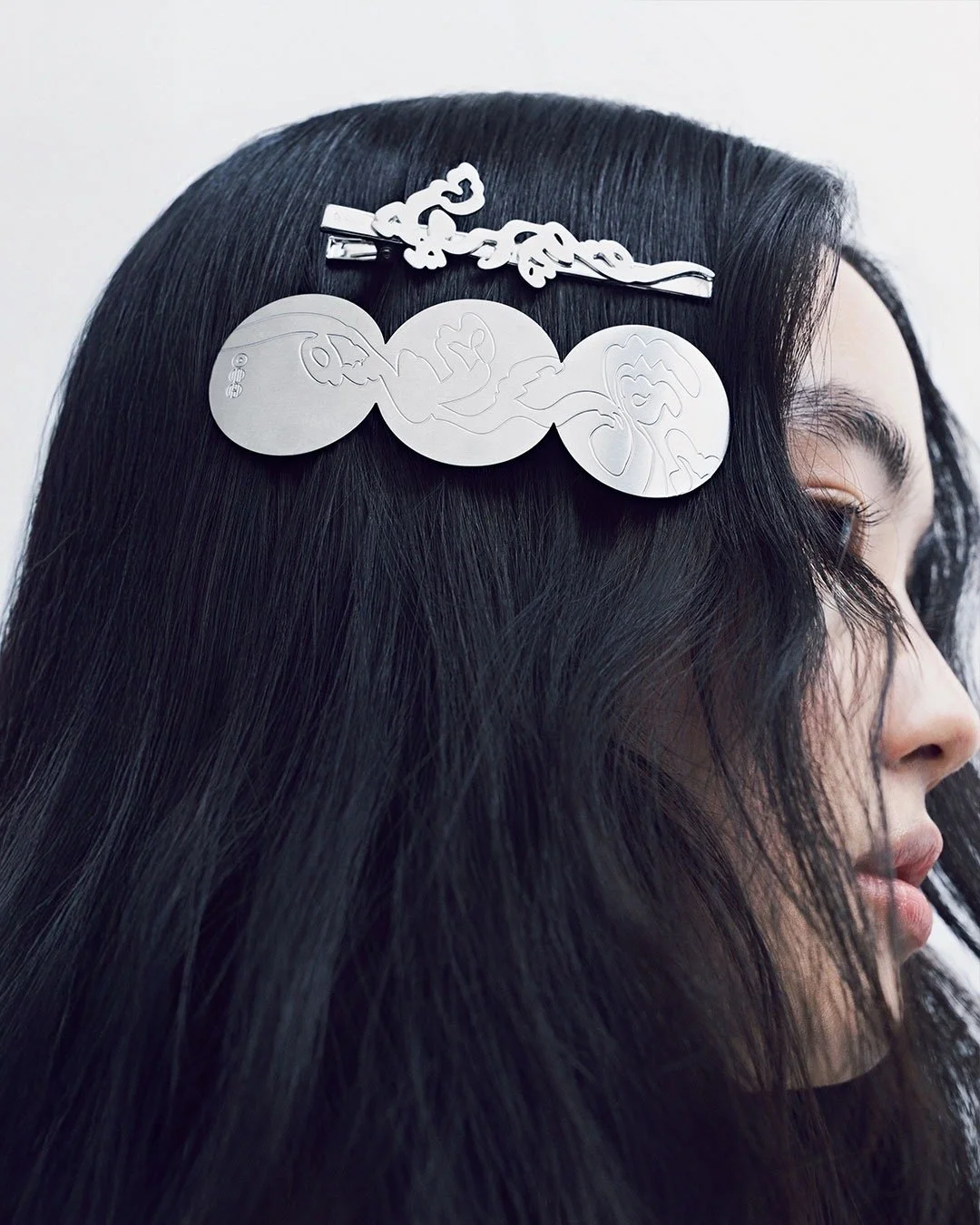
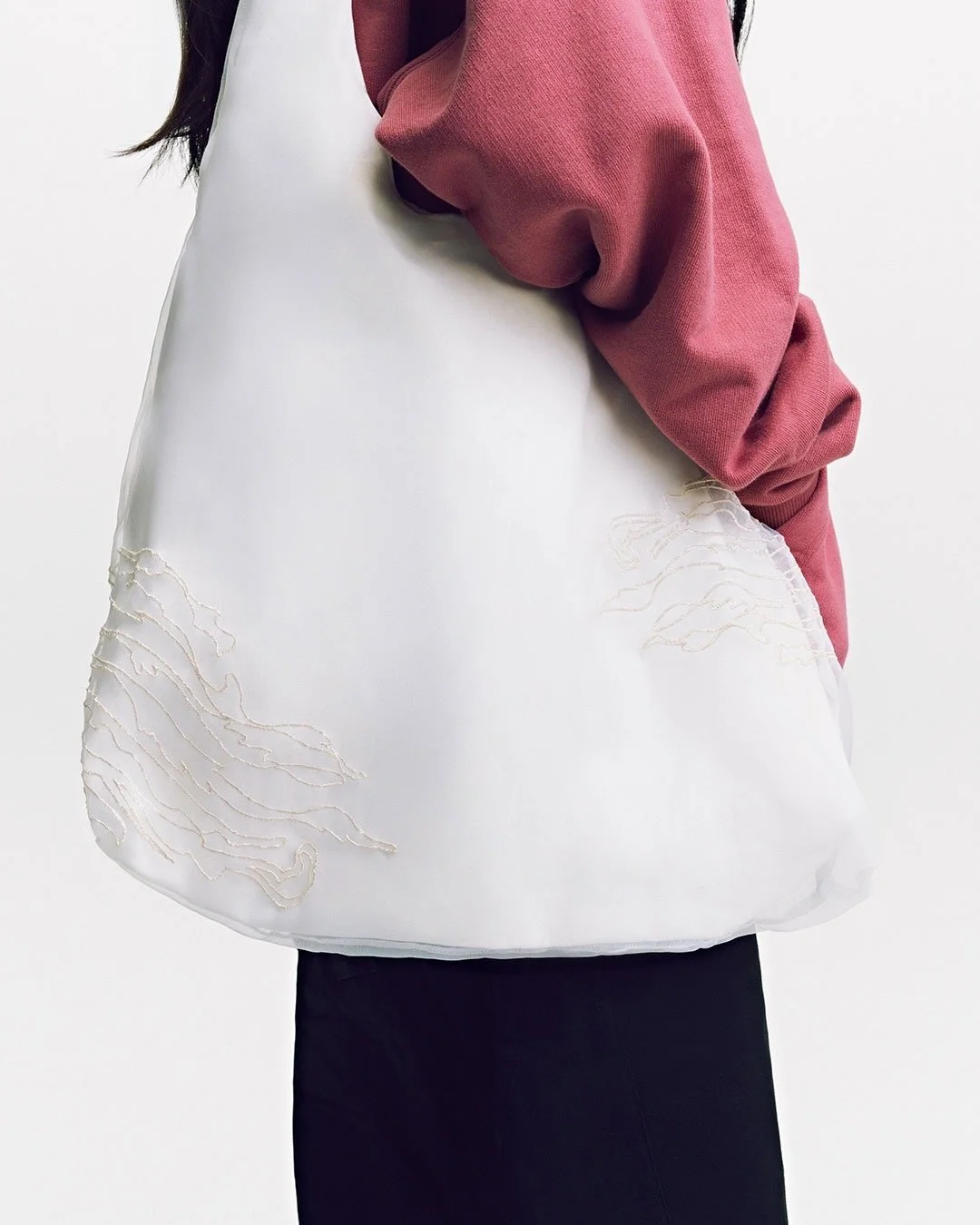
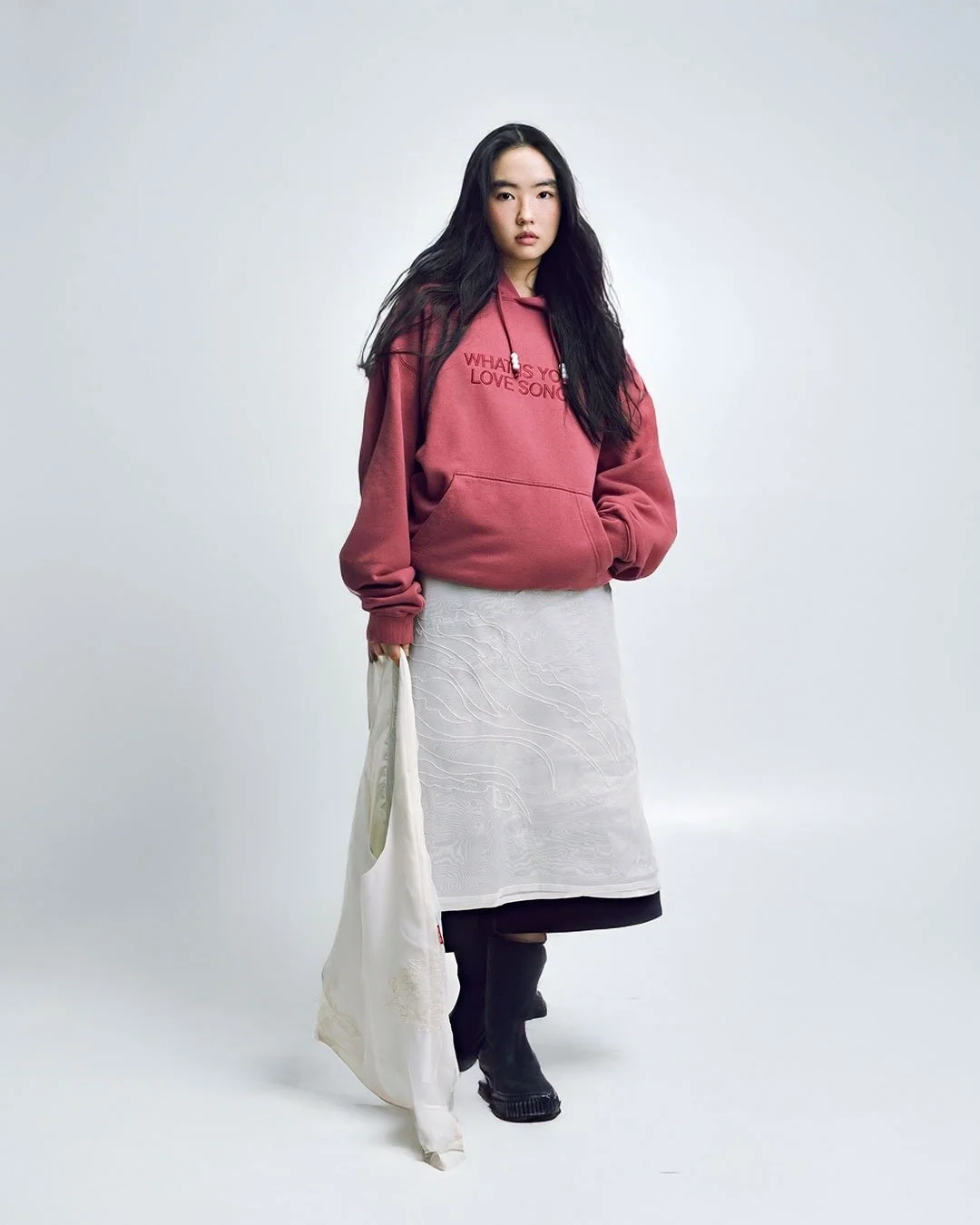
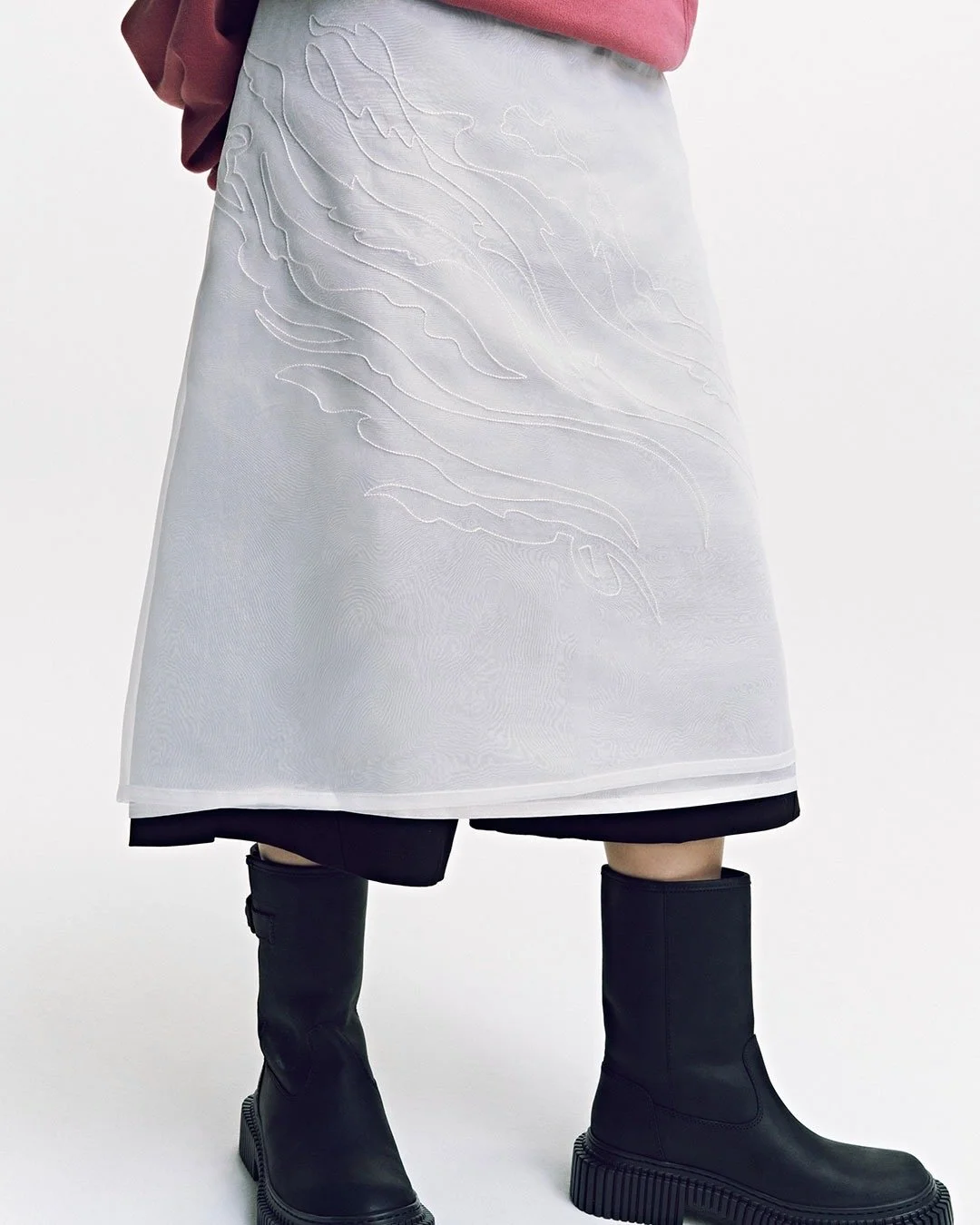
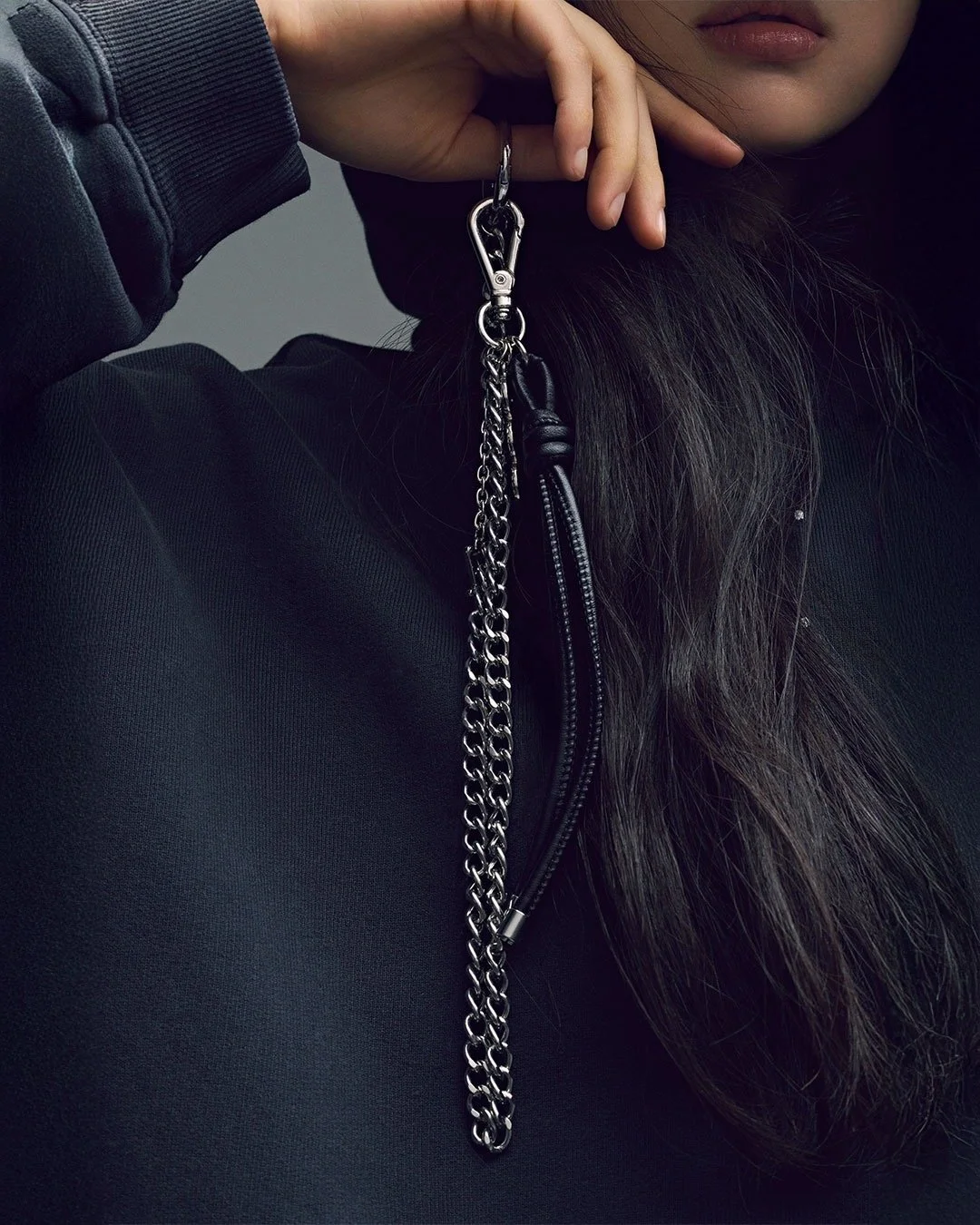
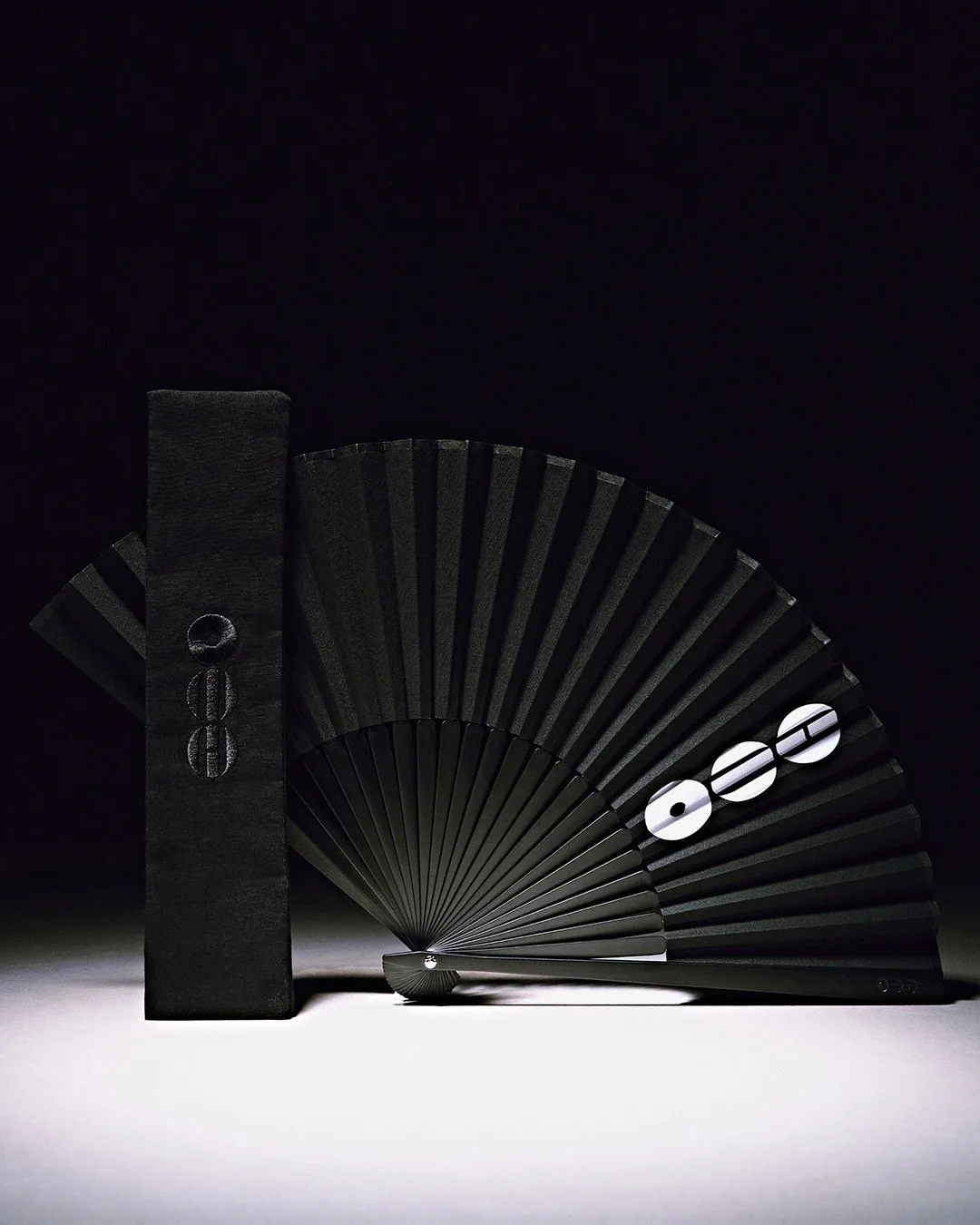
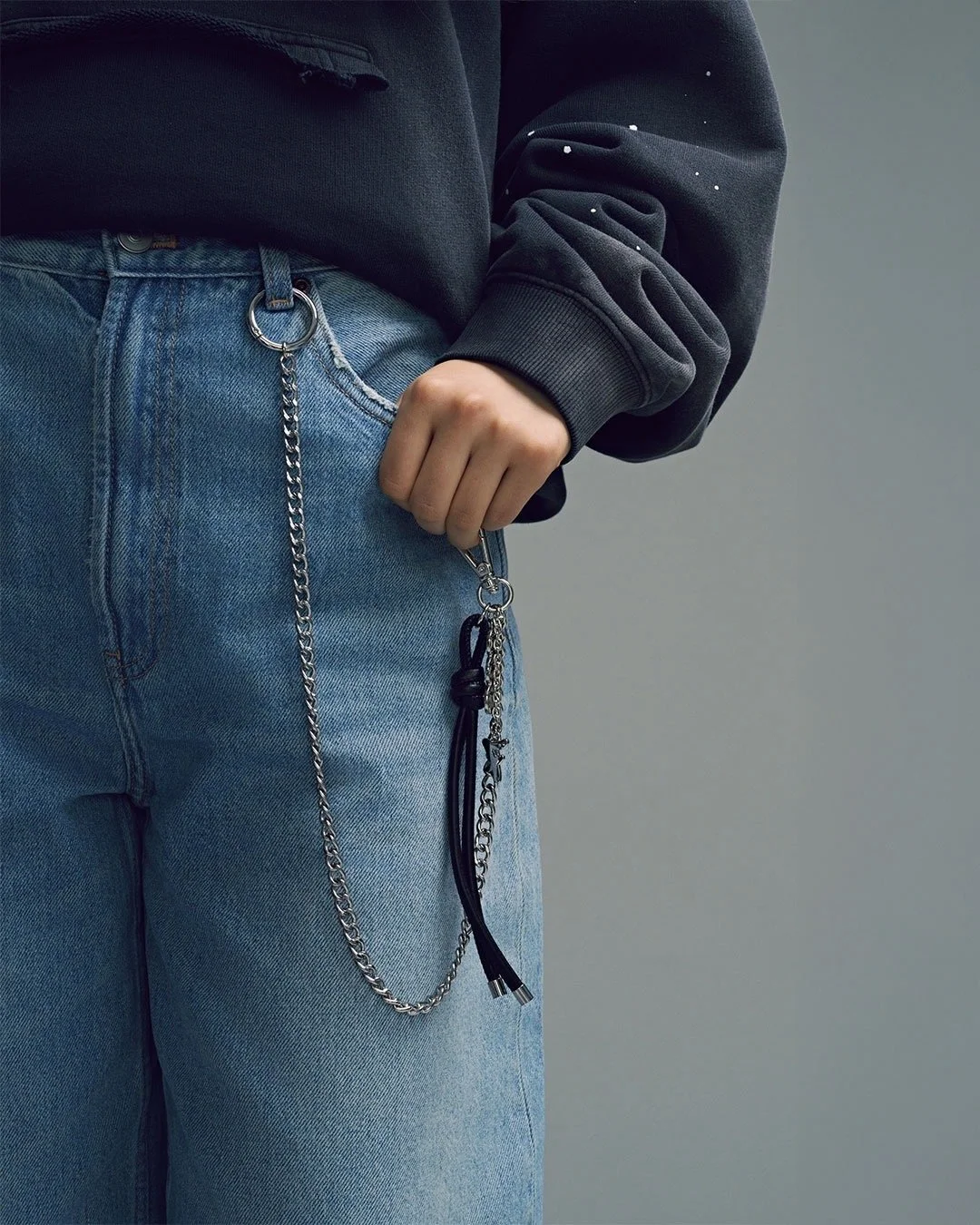
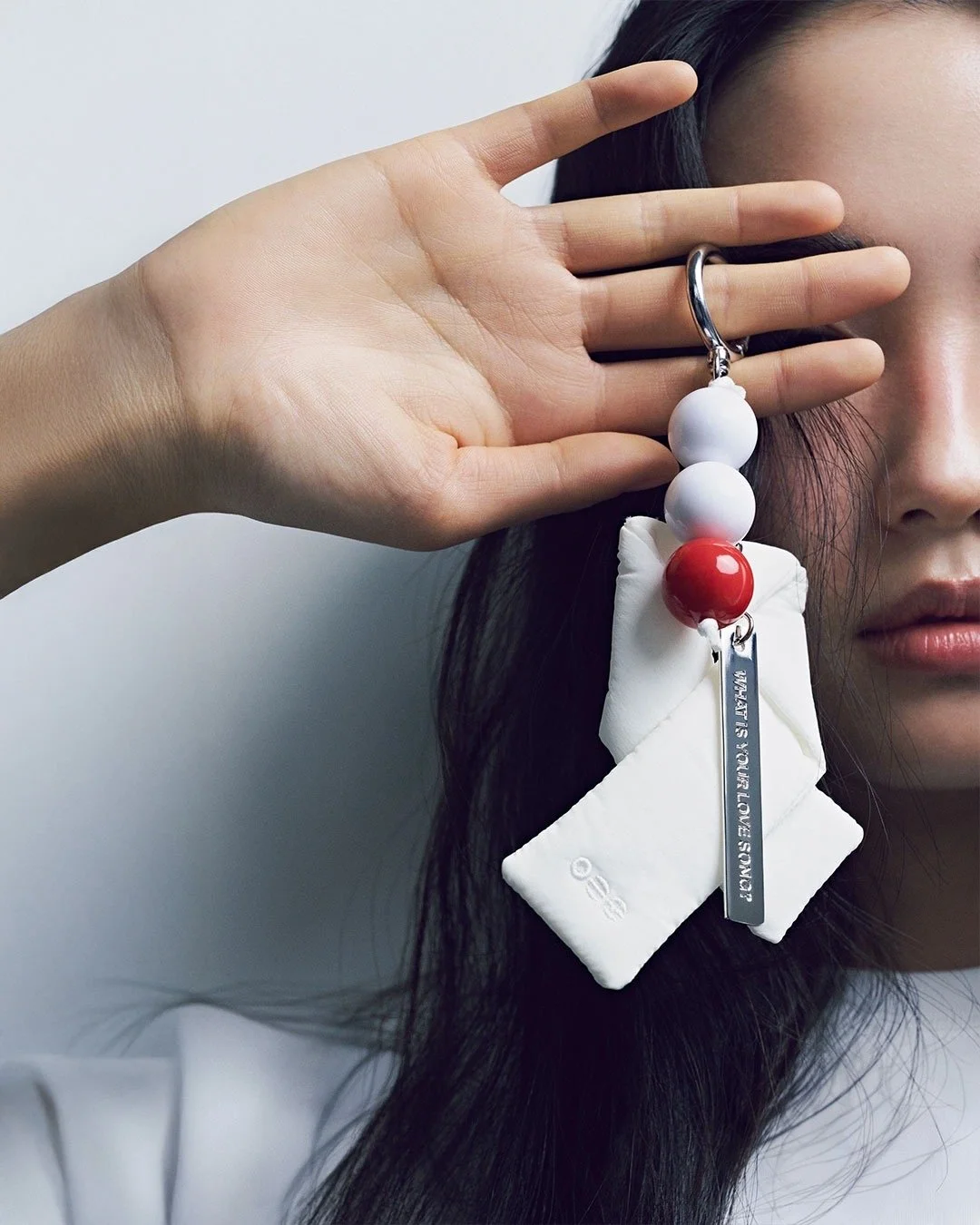
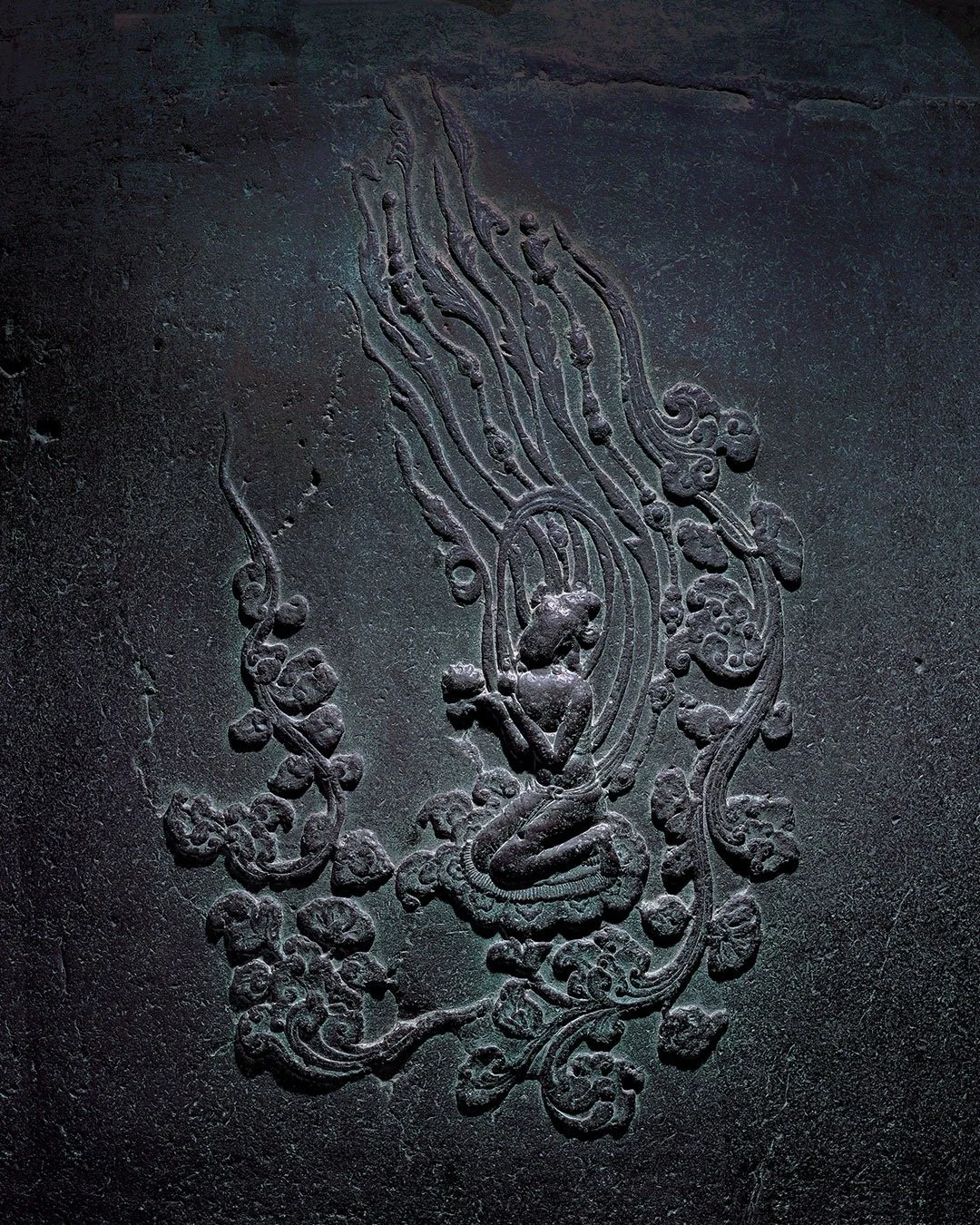
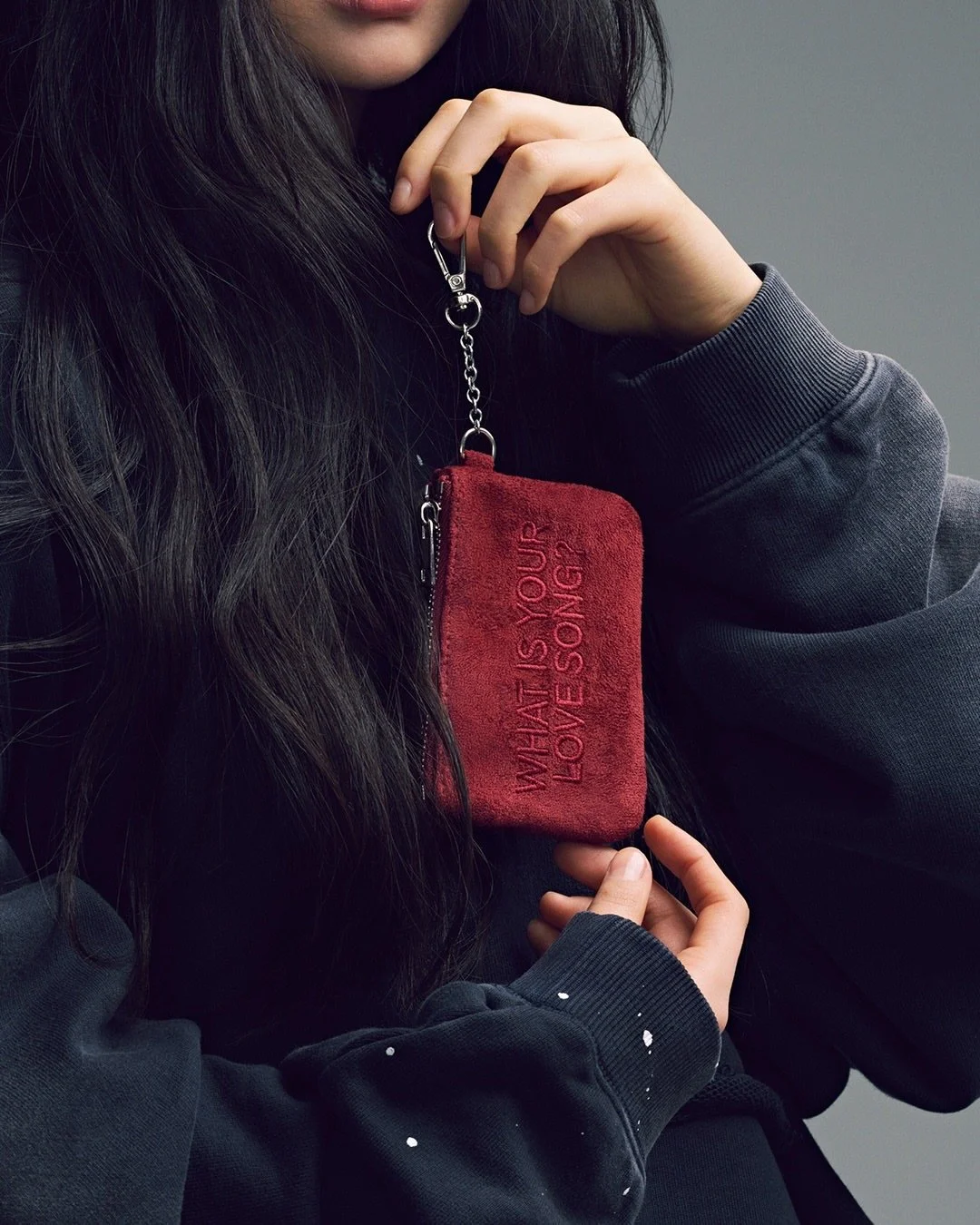
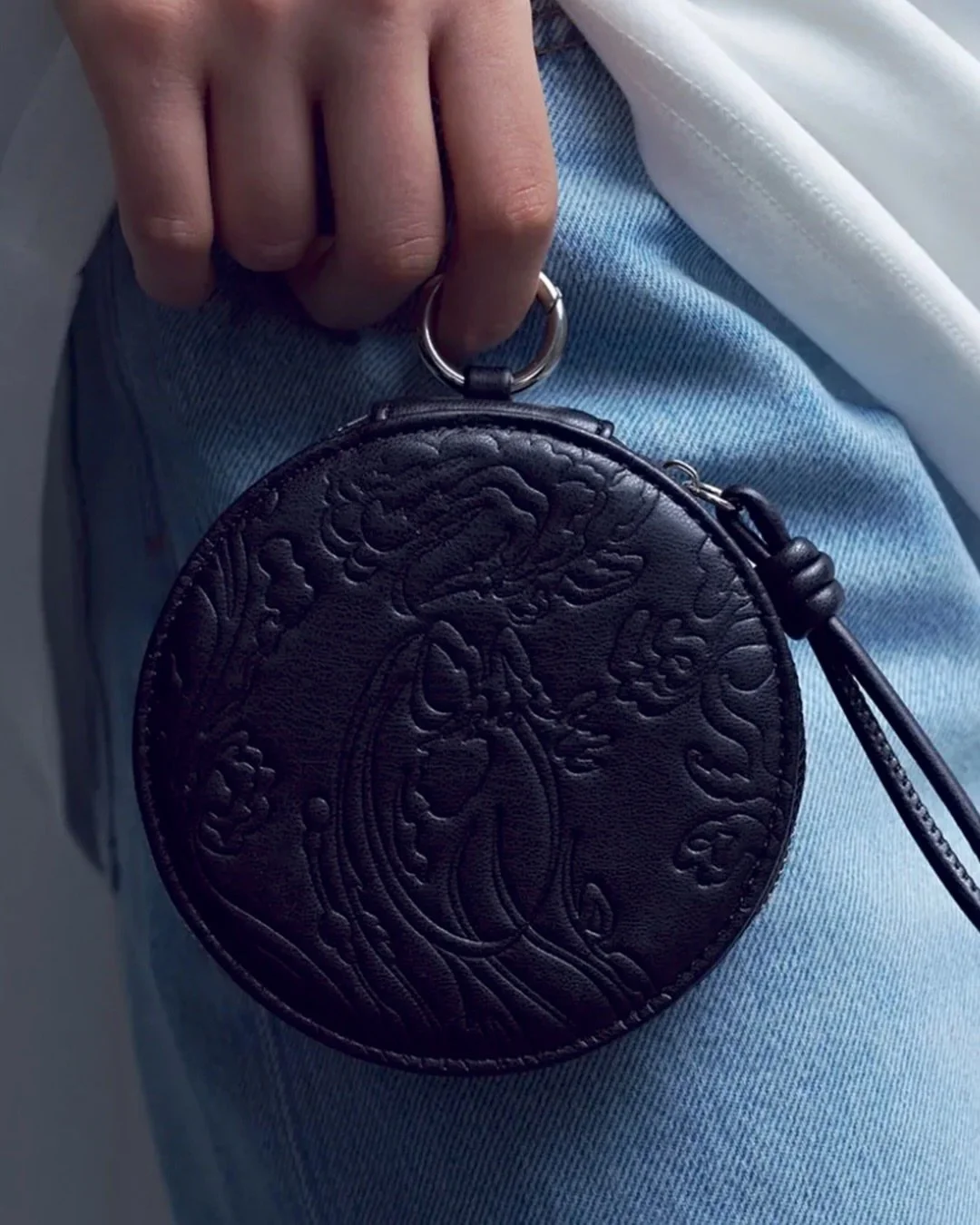
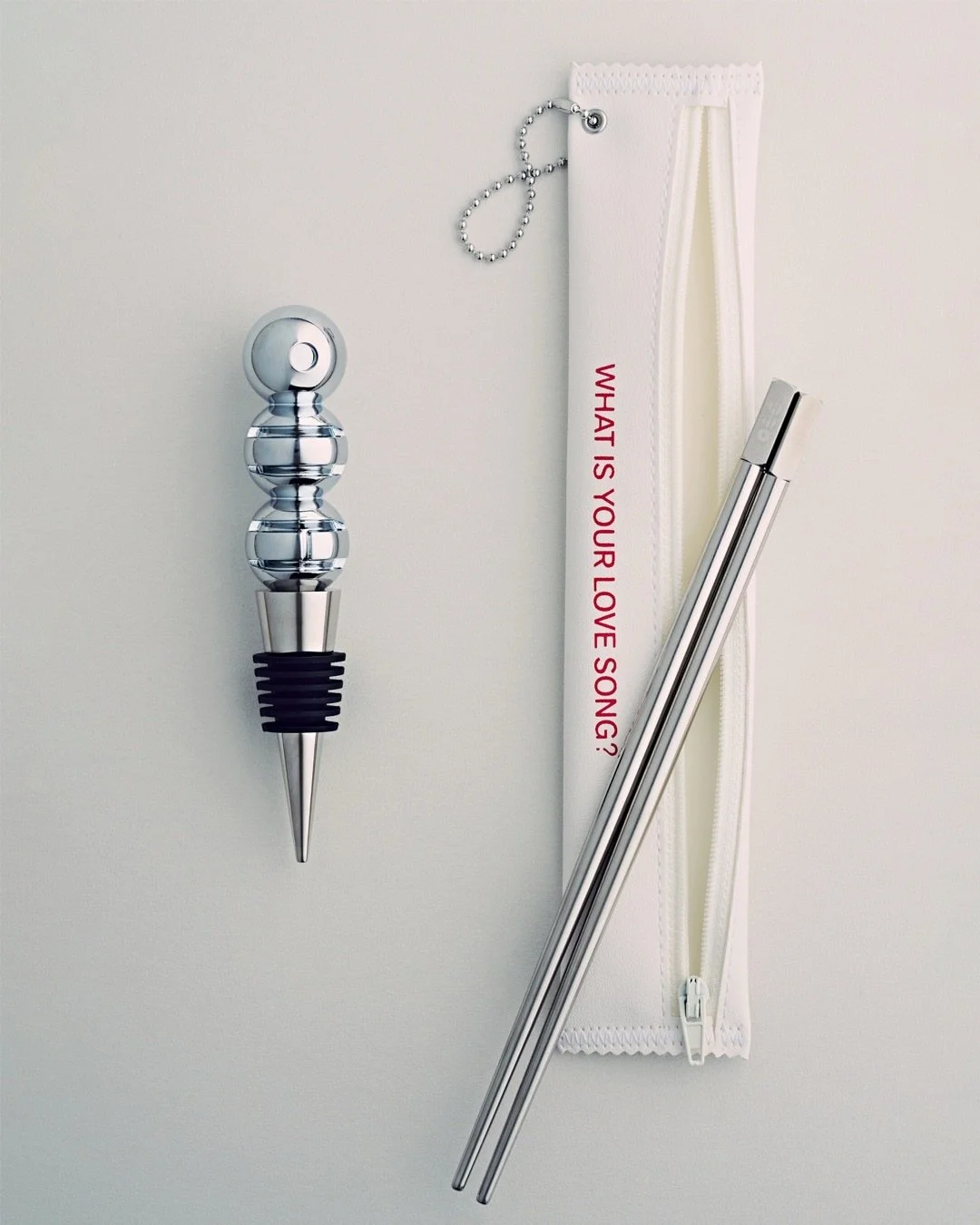
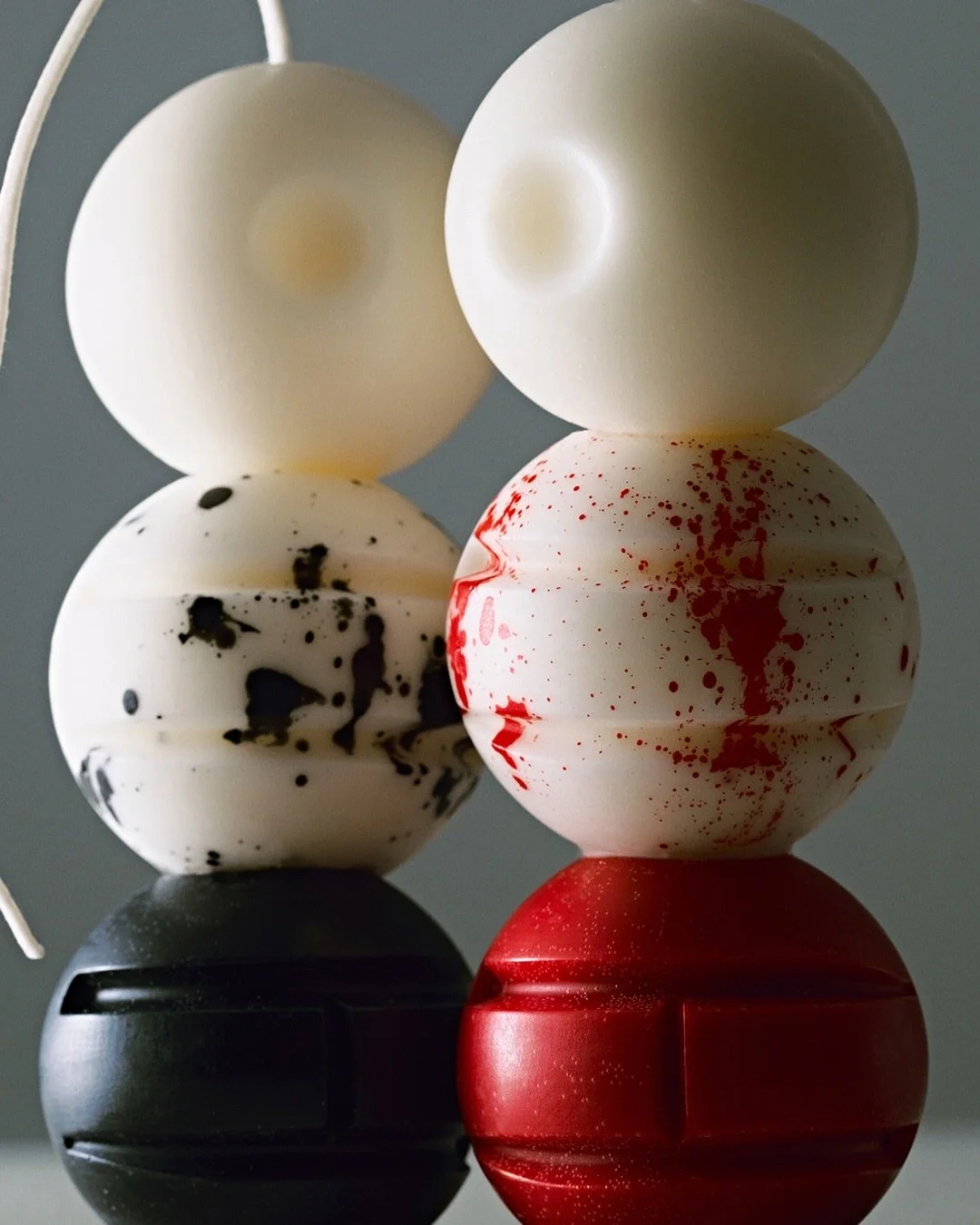
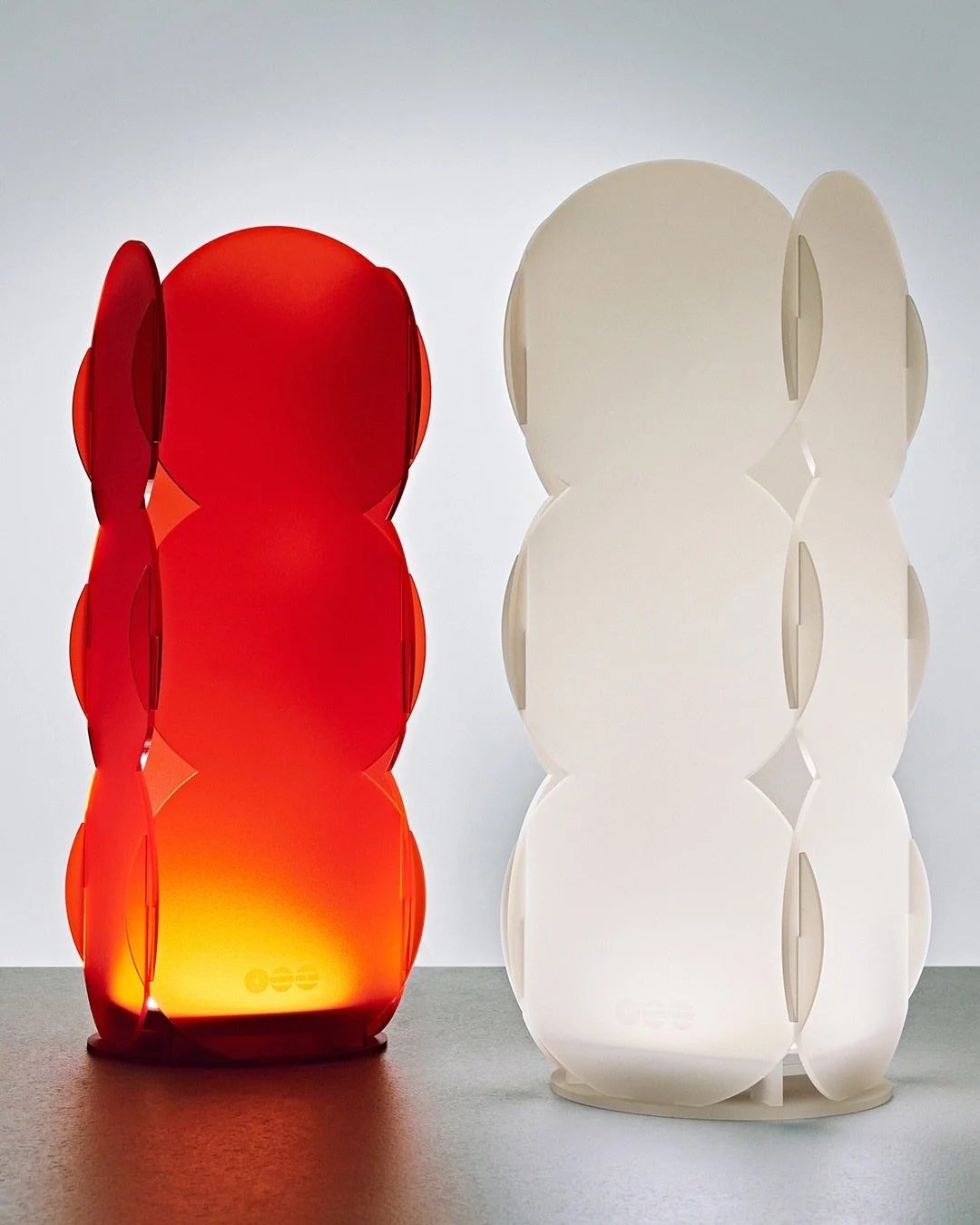
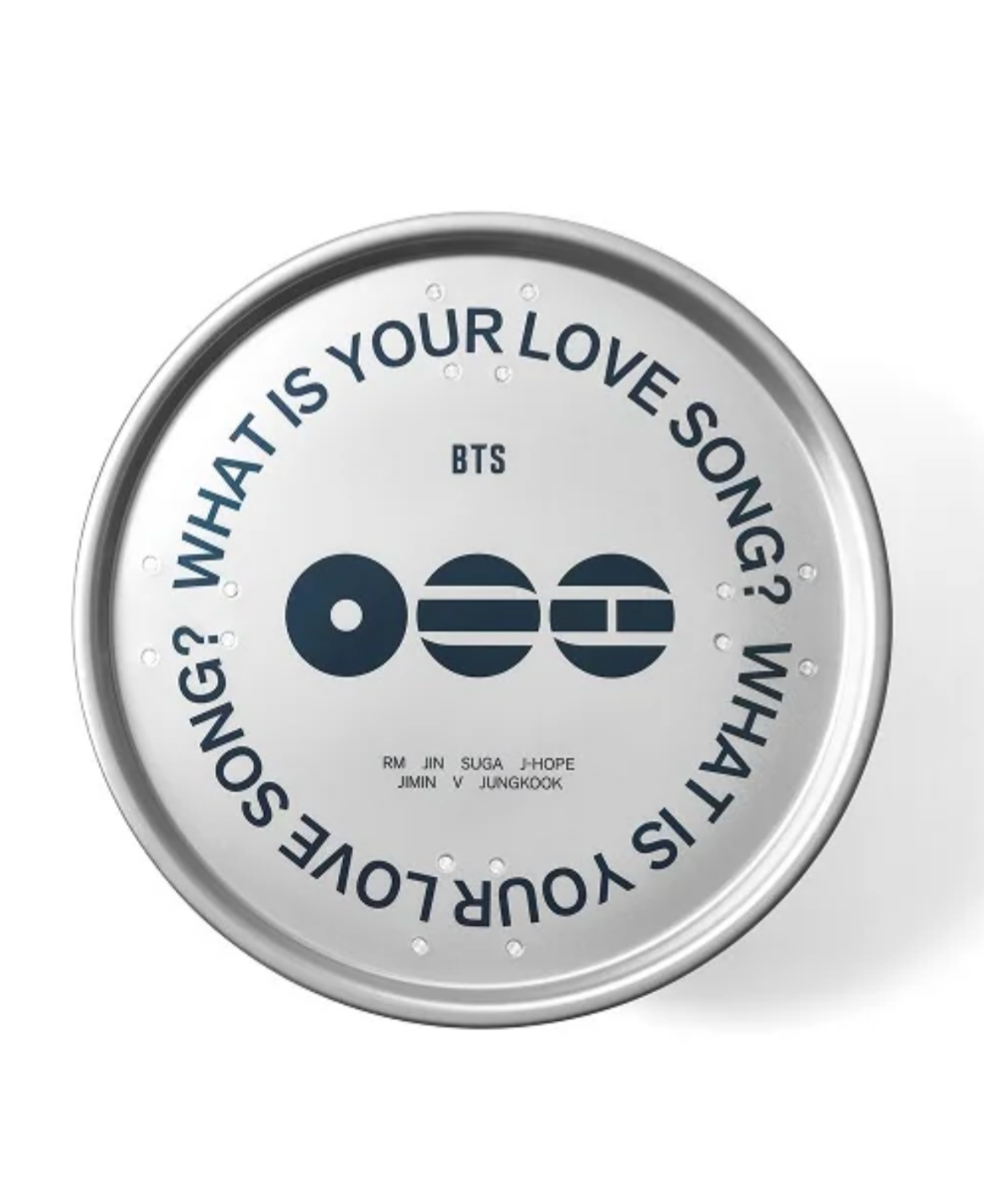
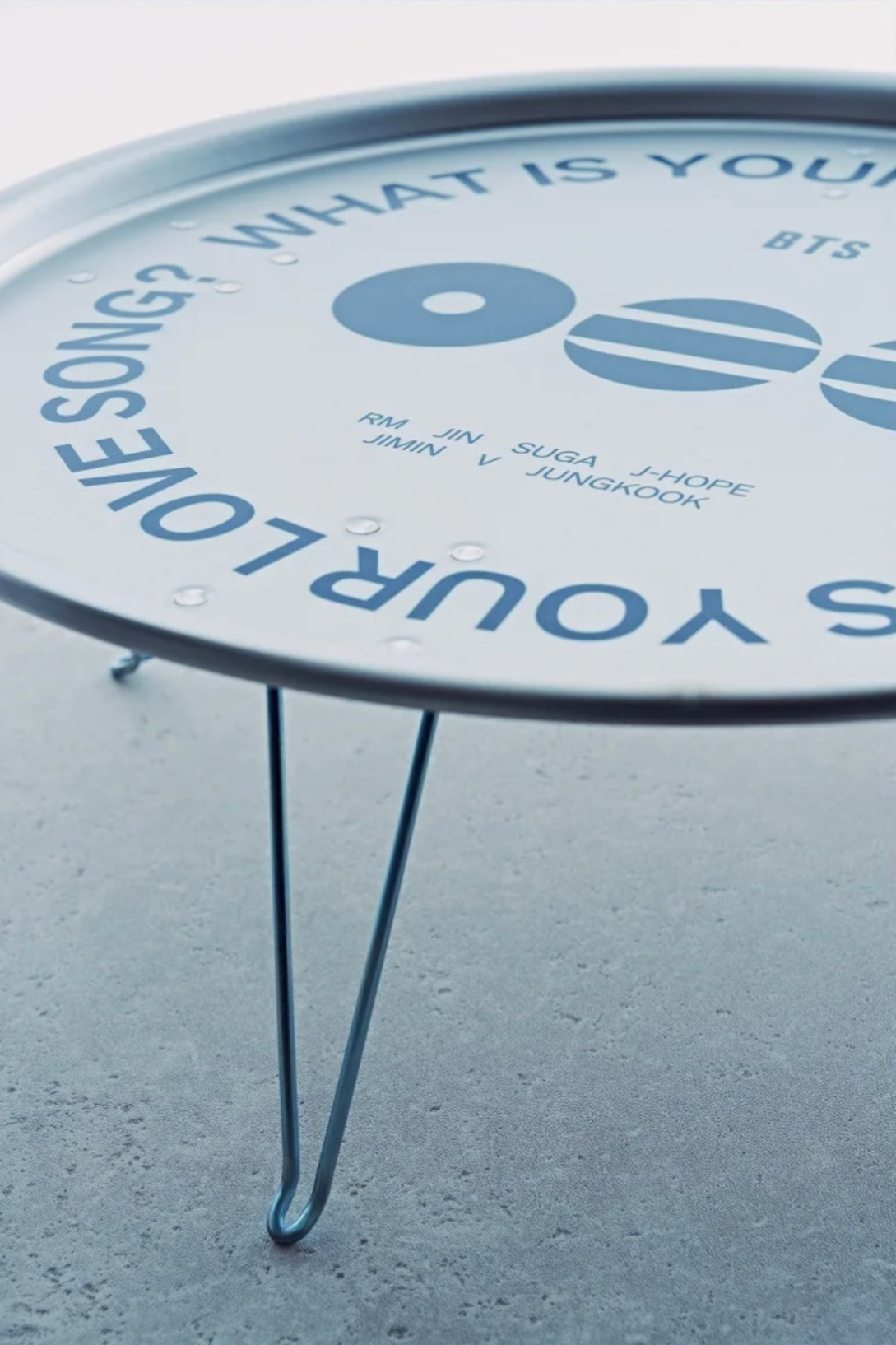
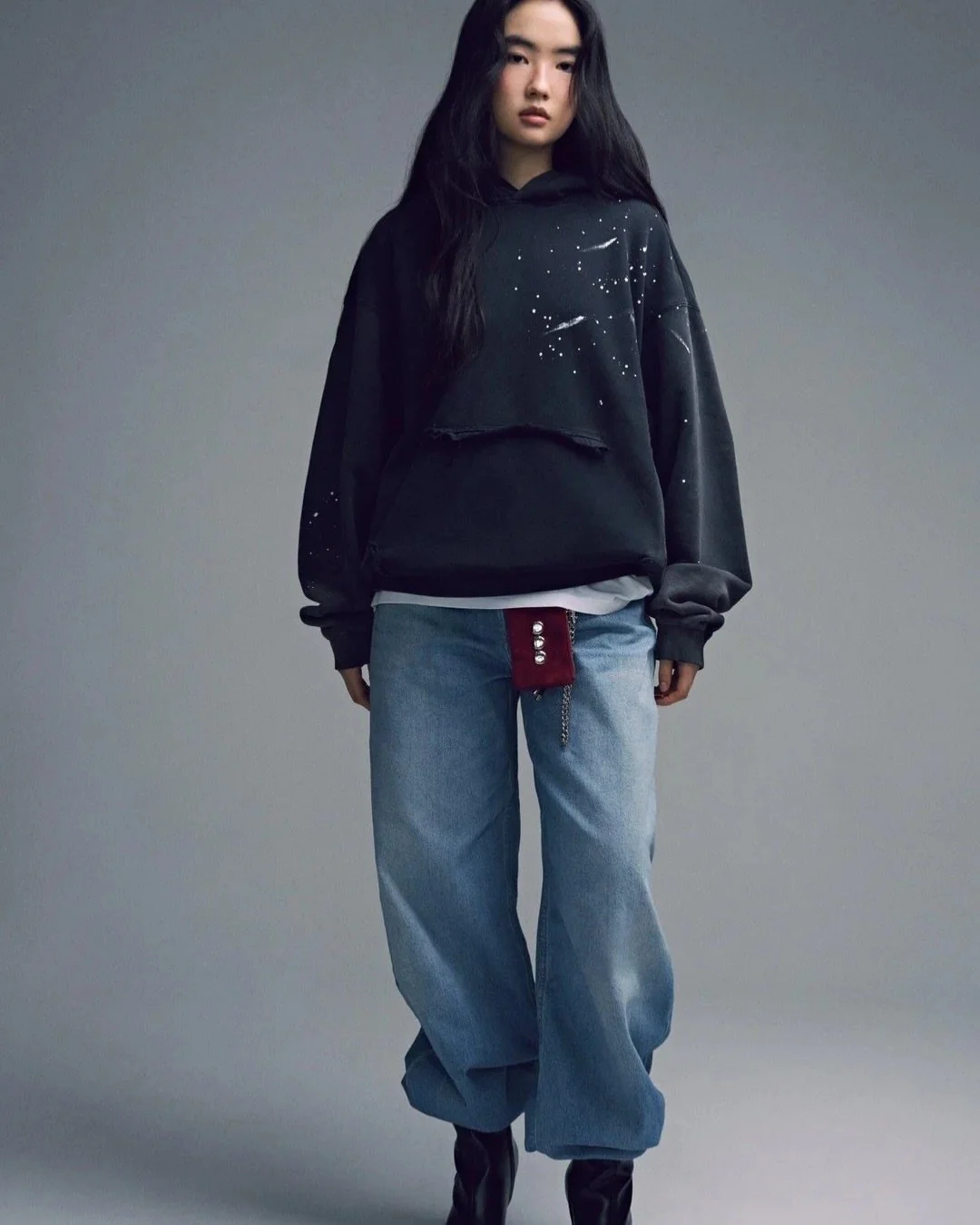
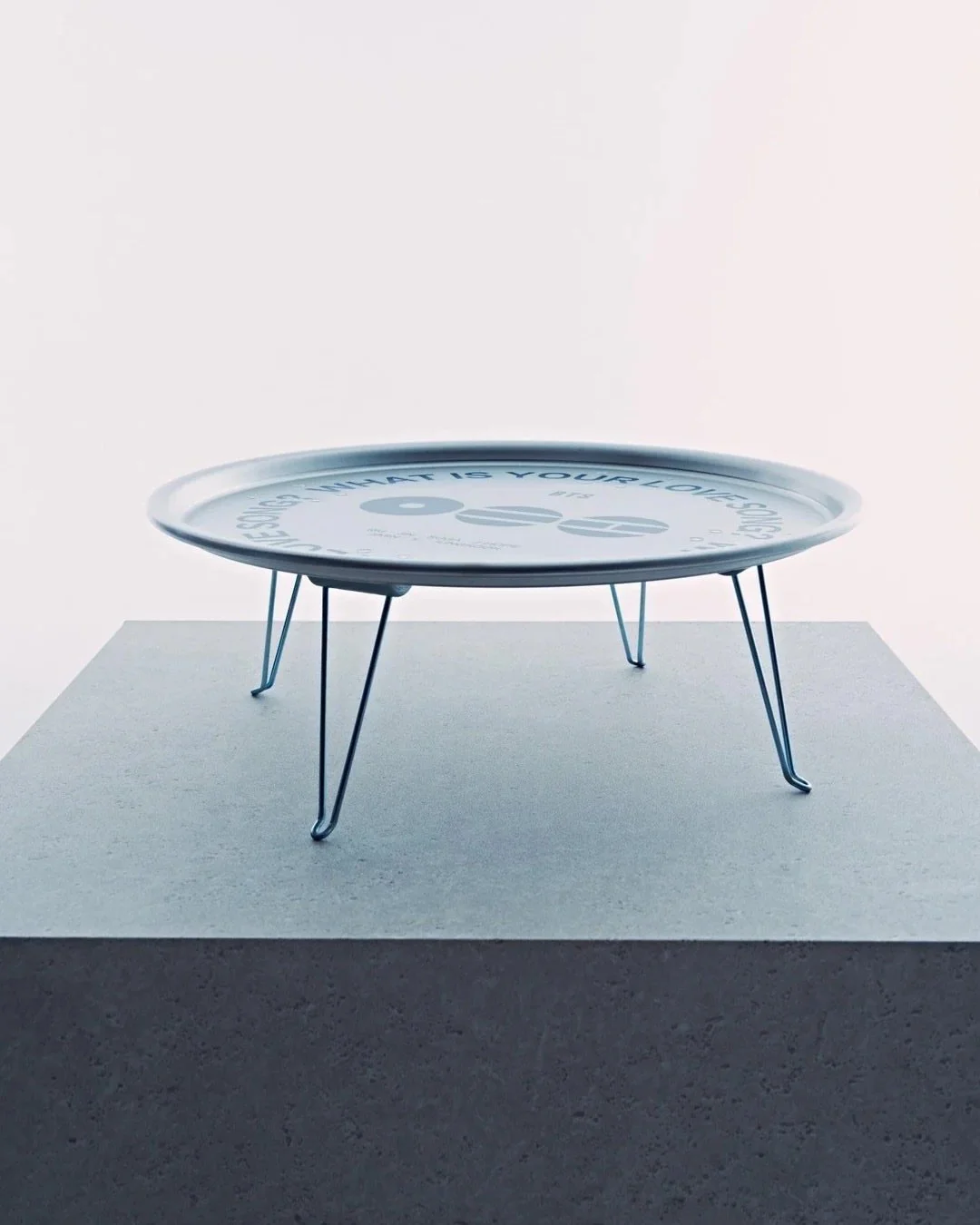
MU:DS × BTS capsule, National Museum Foundation of Korea, 2026. Courtesy of HYBE, Weverse, & National Museum Foundation of Korea.
The wardrobe. Even the clothes were Korea. For the Gwanghwamun homecoming, HYBE commissioned the Korean house Songzio to dress all seven—along with the eighty dancers and traditional musicians around them—in a collection called Lyrical Armor: Joseon-era warrior armor fused with the fluid drape of hanbok, in black, white and red, built, in Song Zio's words, to carry 한 (han) on the body. The designer took his cues from the statues that watch over the square, Admiral Yi Sun-sin and King Sejong. Even the album's logo is Korean to the bone, drawn from the four trigrams of the Taegeukgi, the national flag.
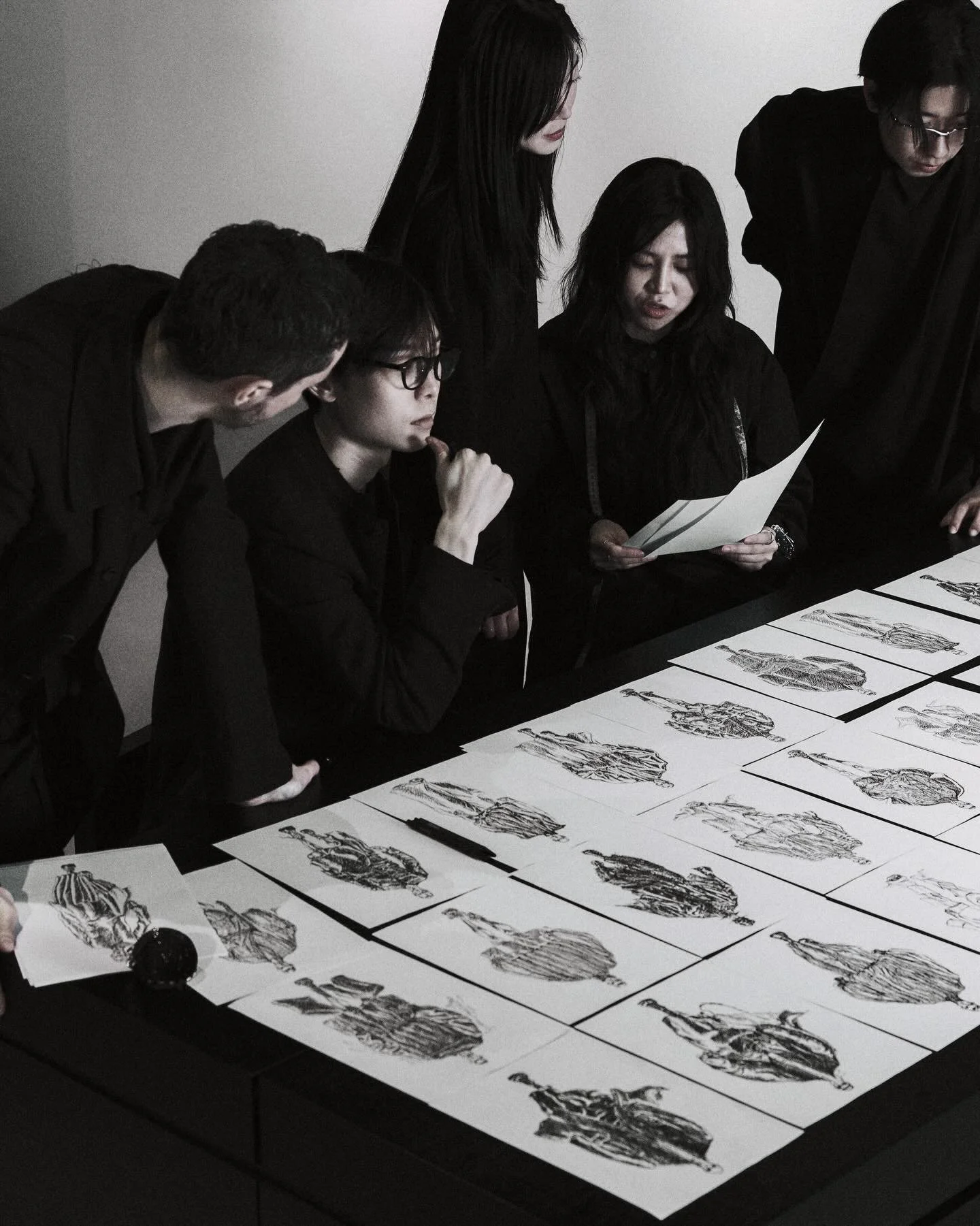
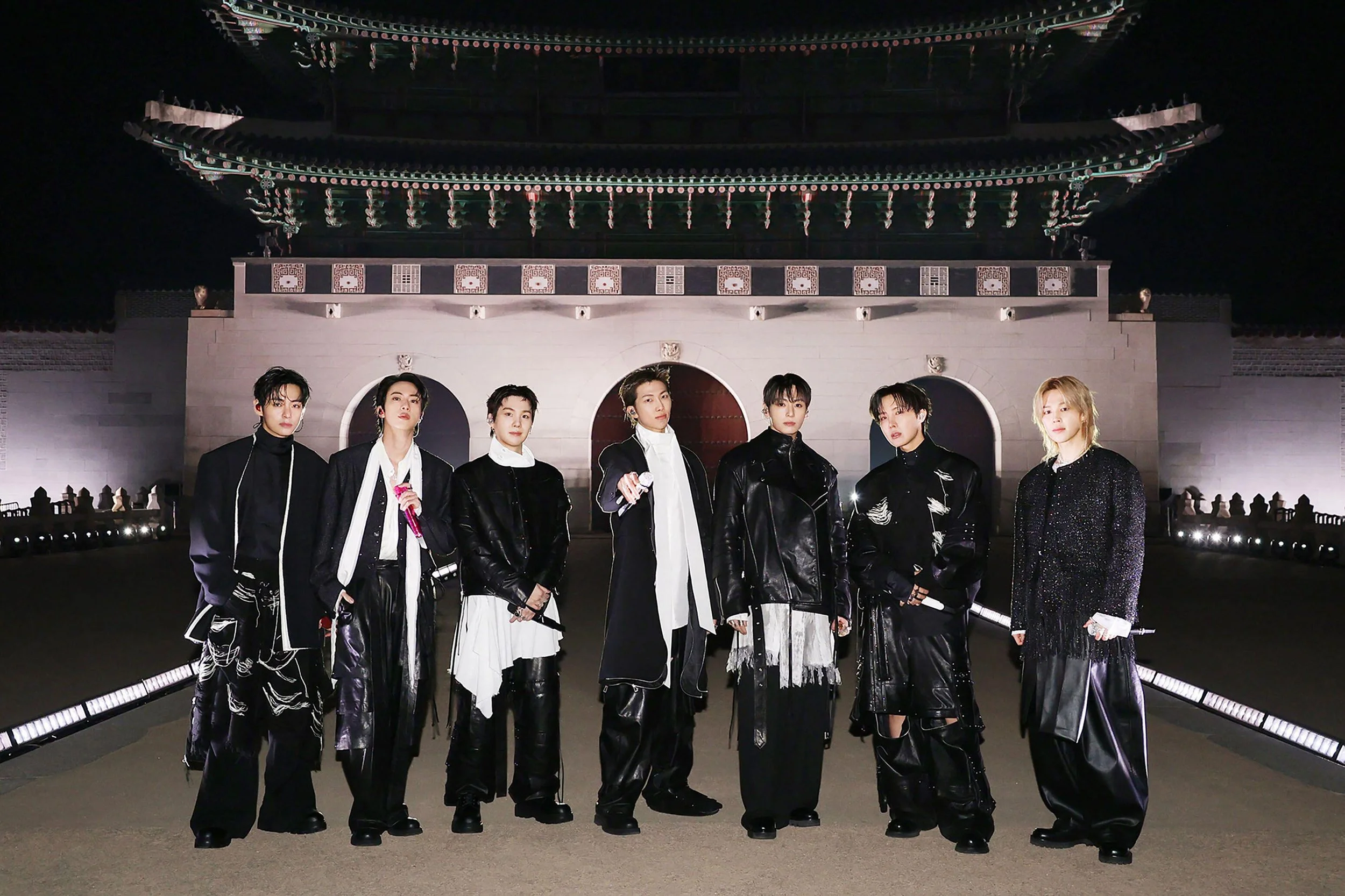
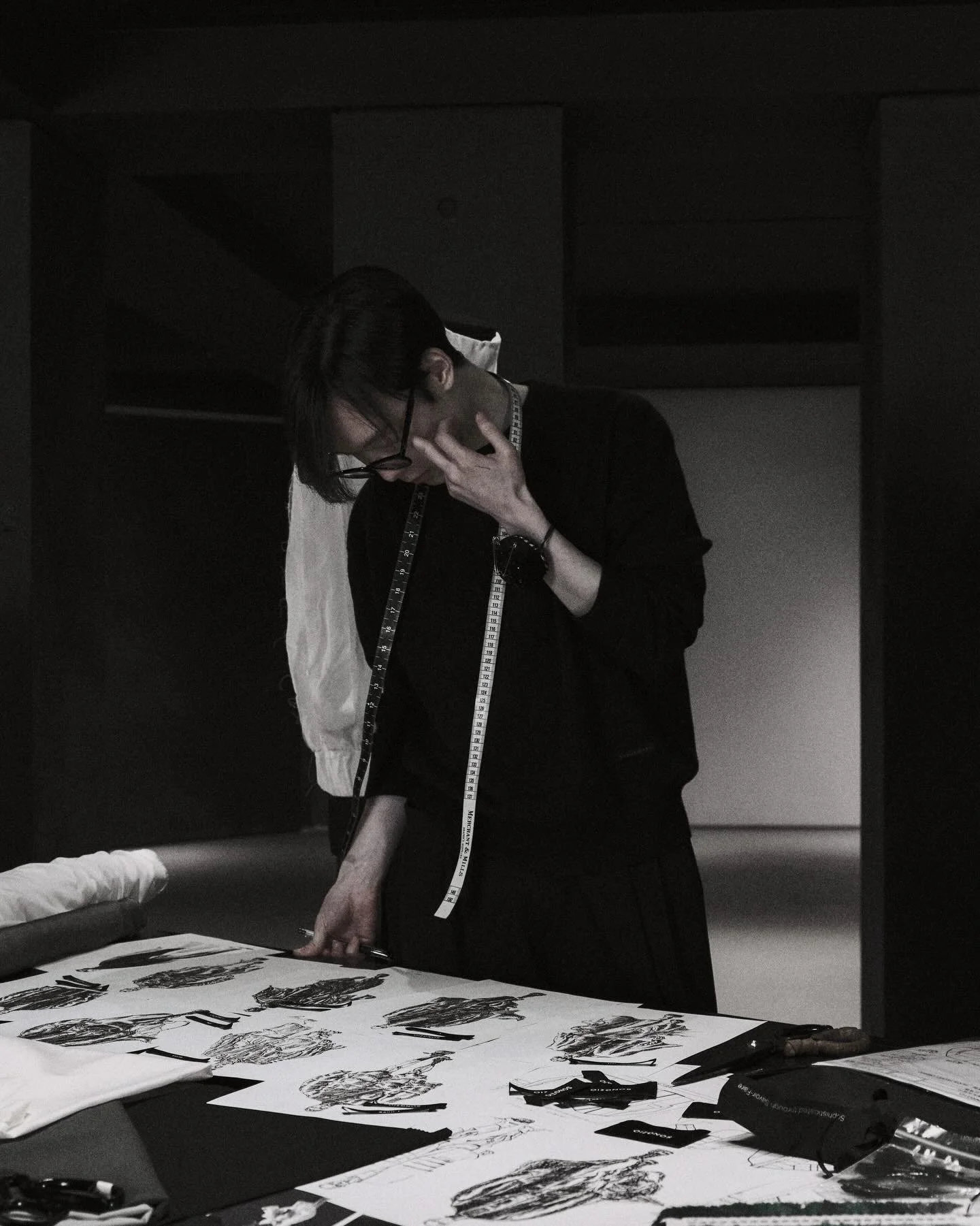
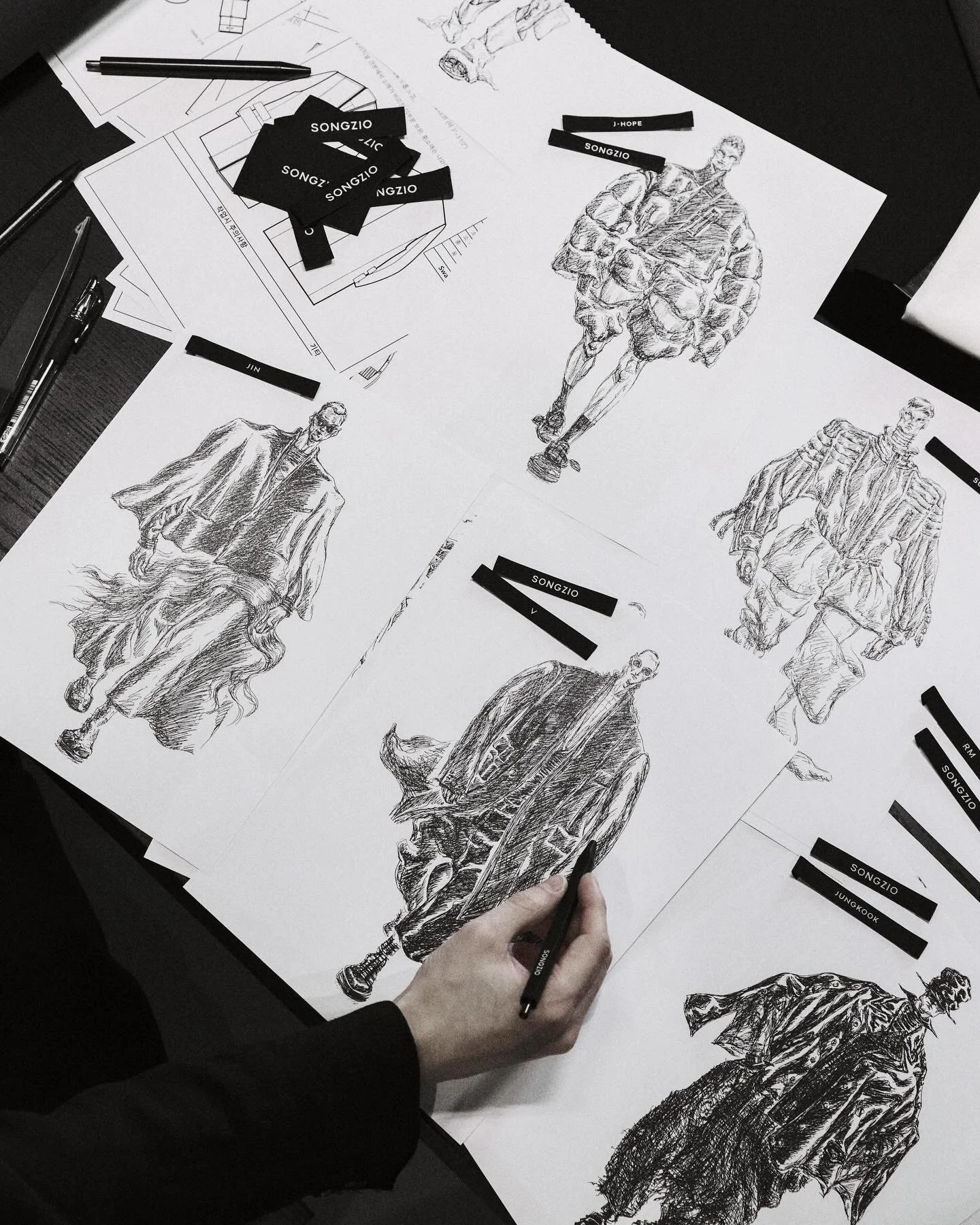
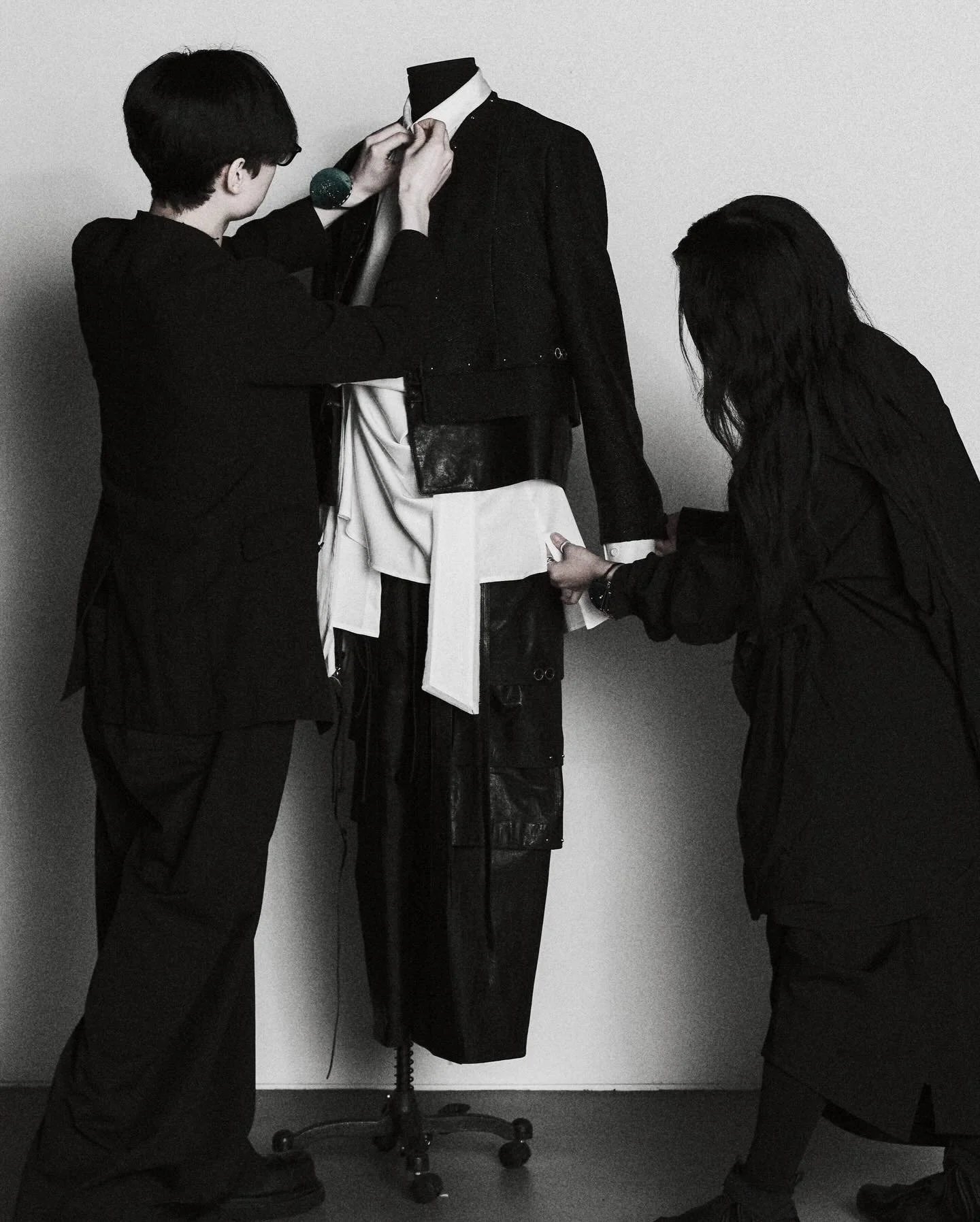
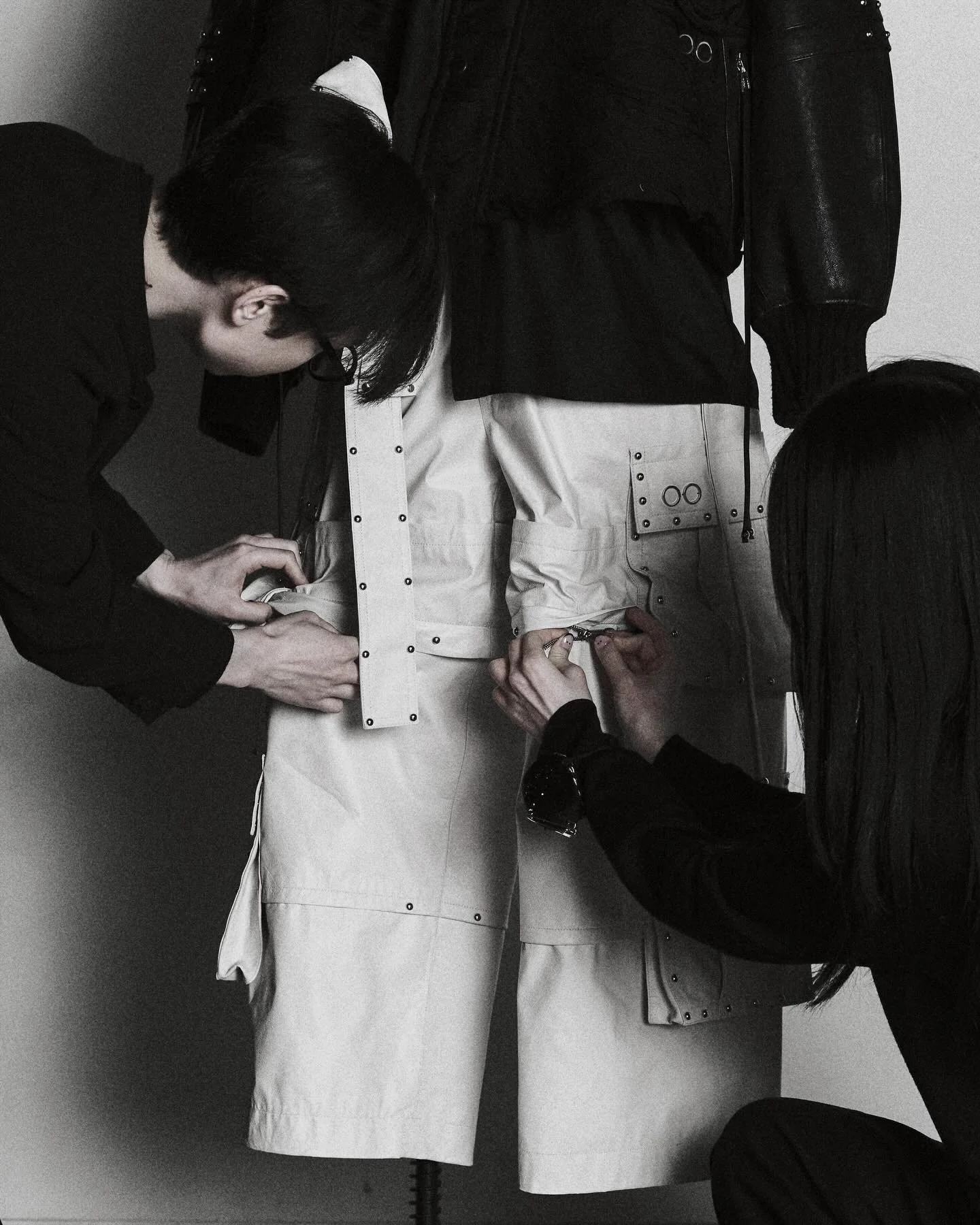
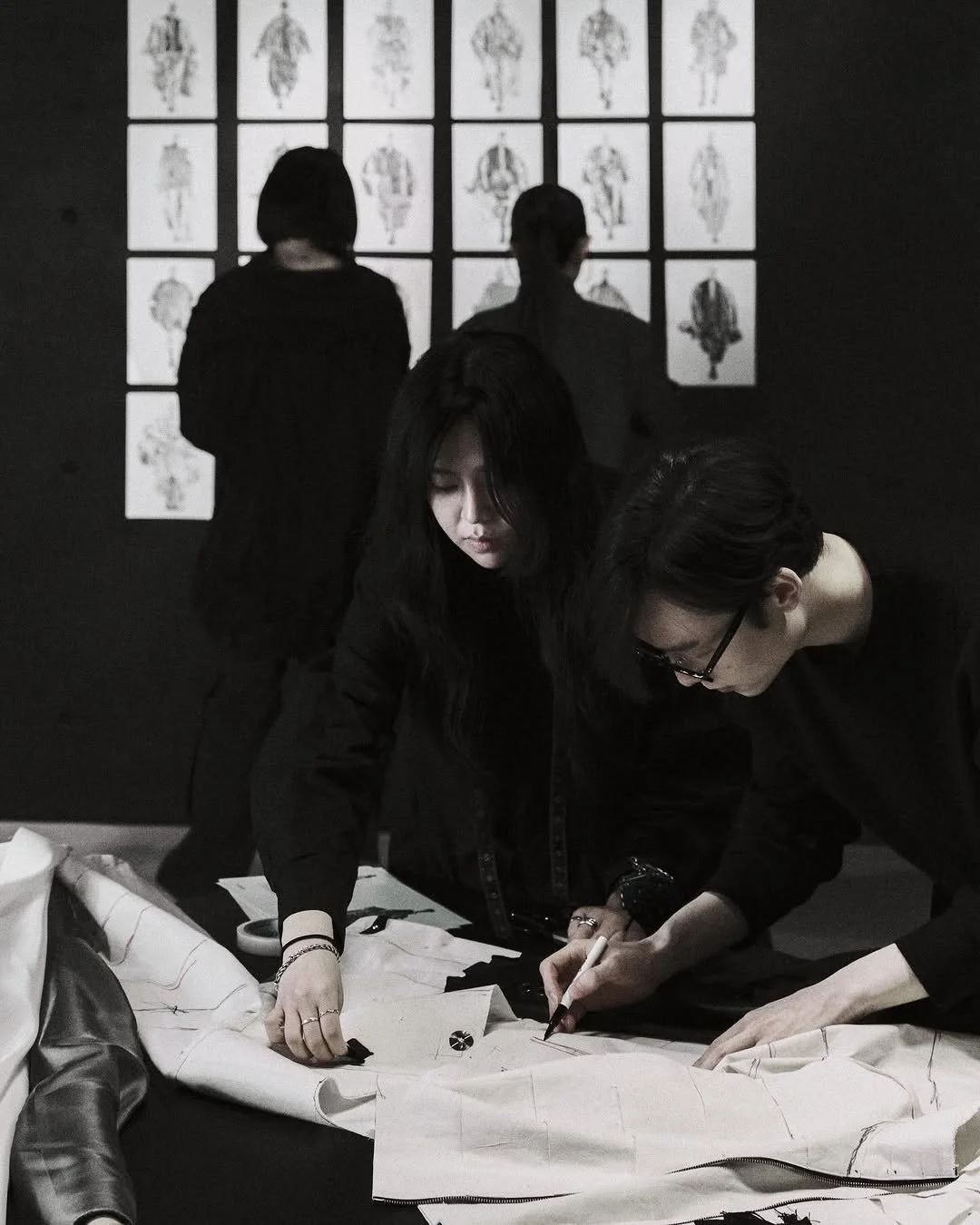
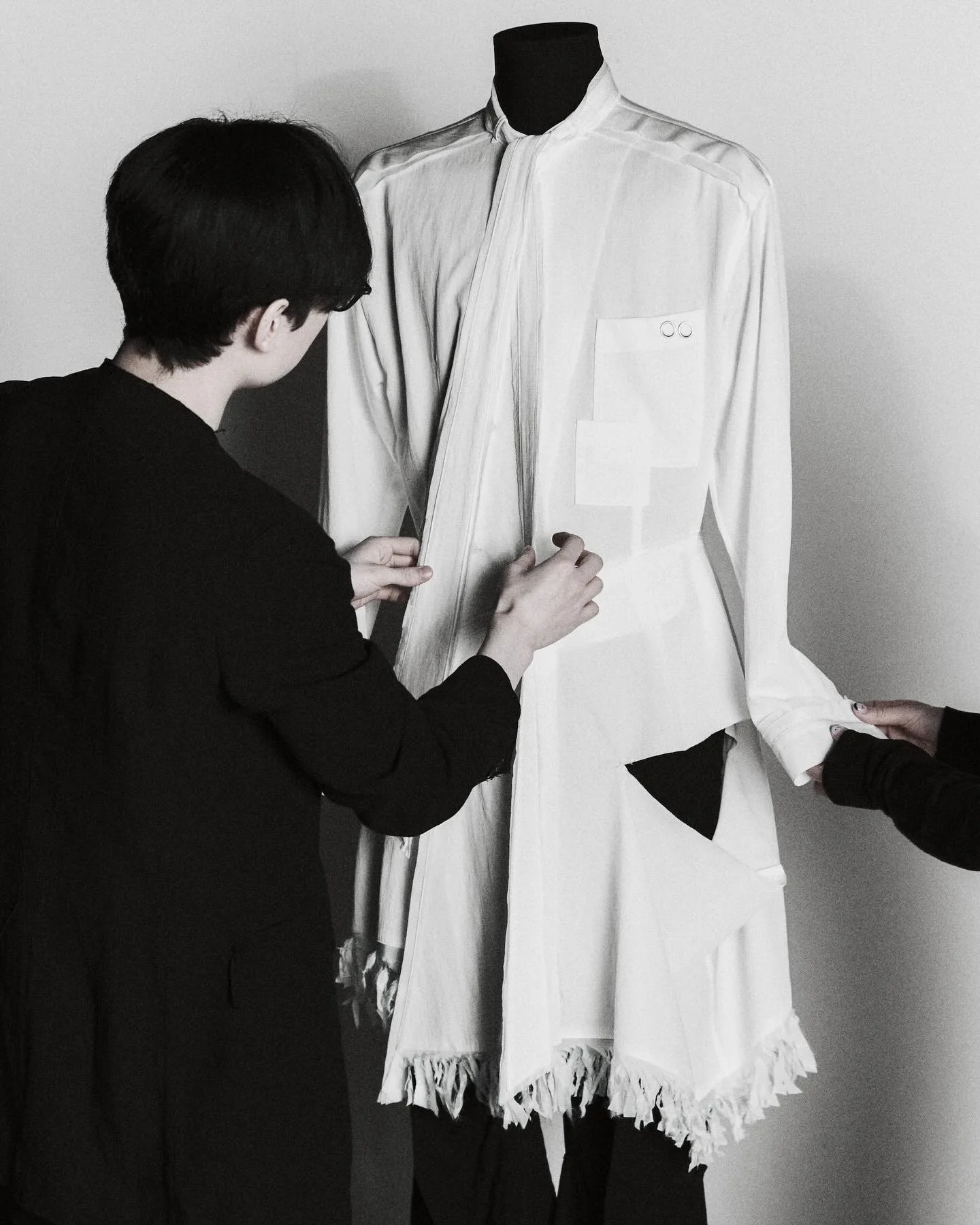
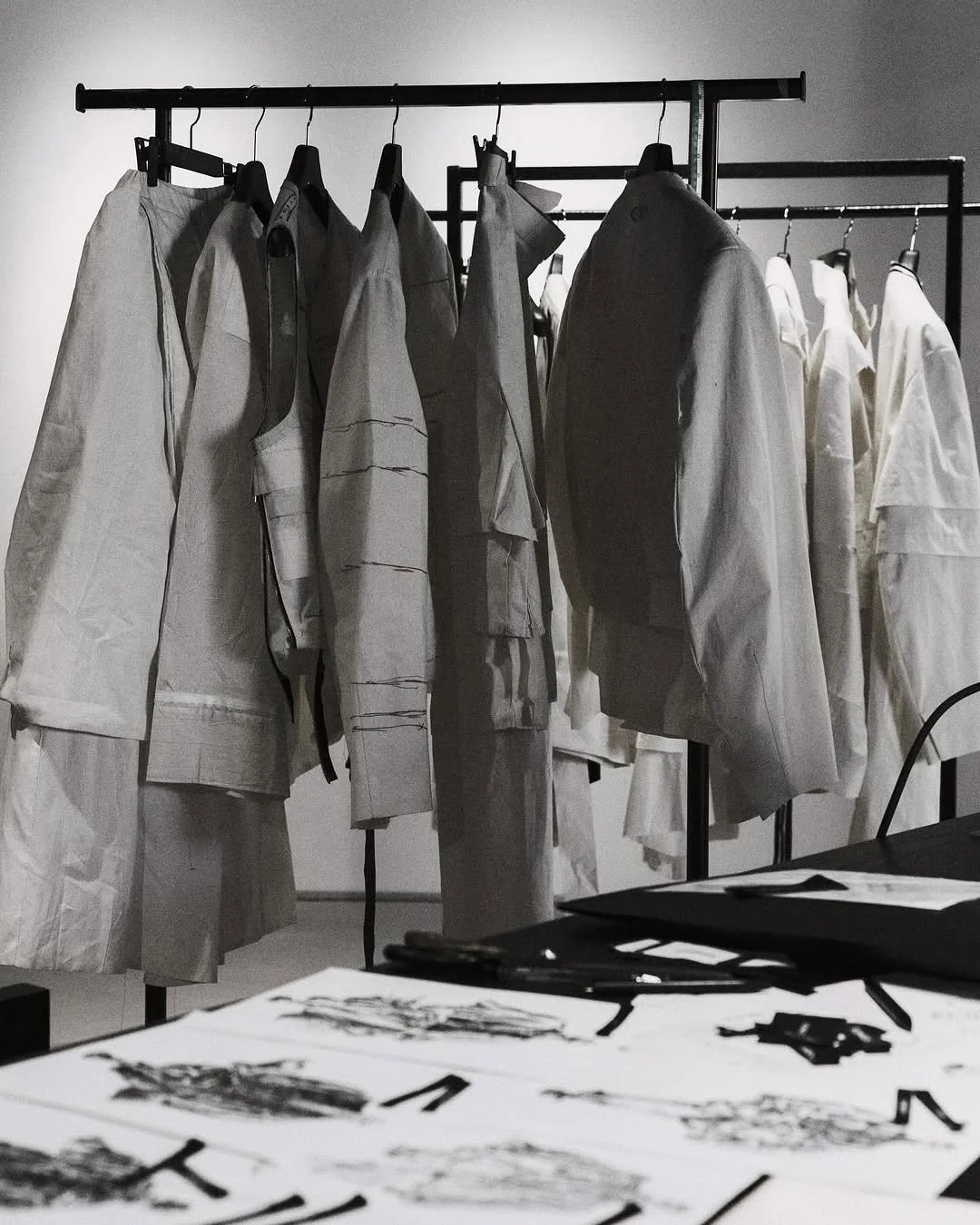
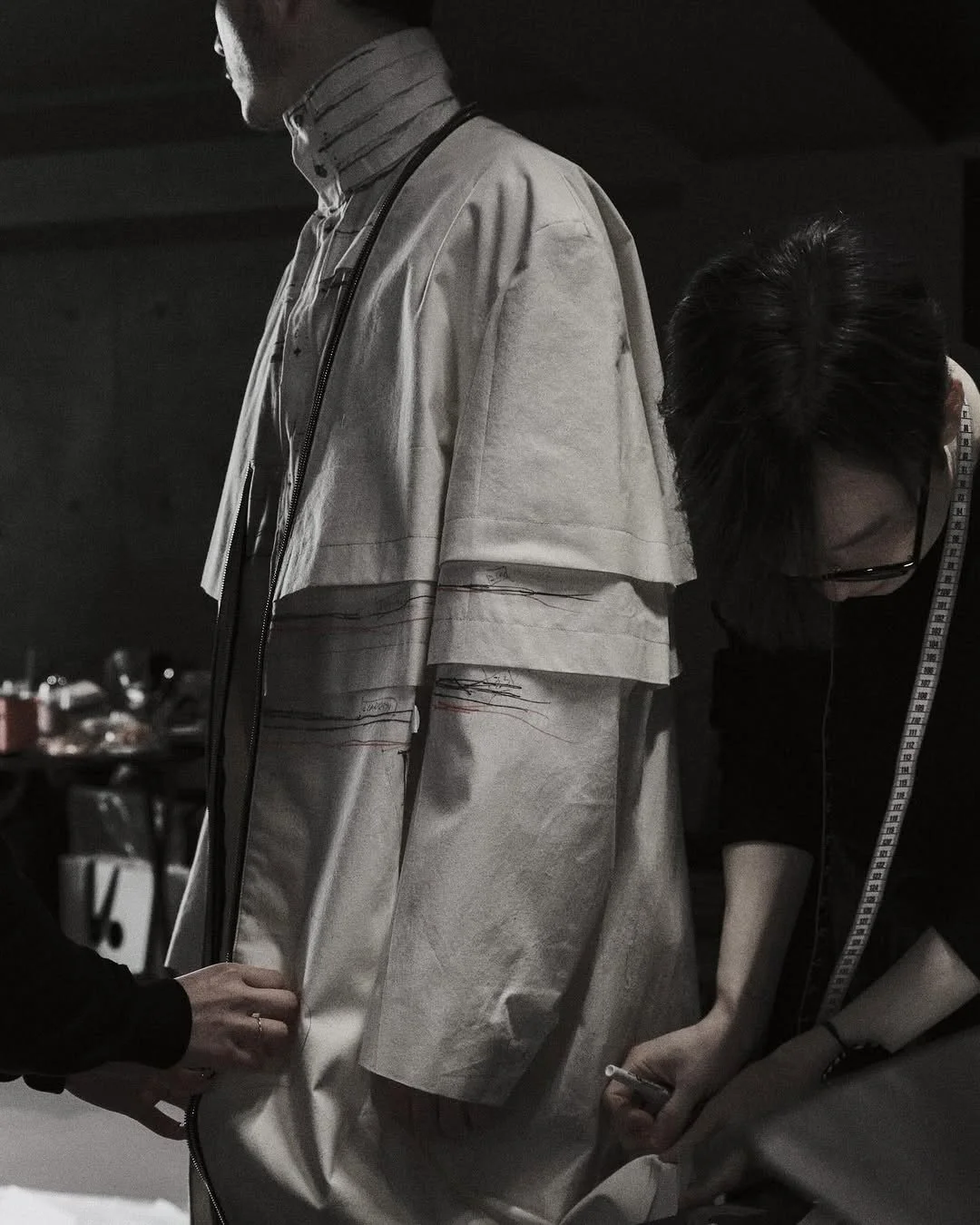
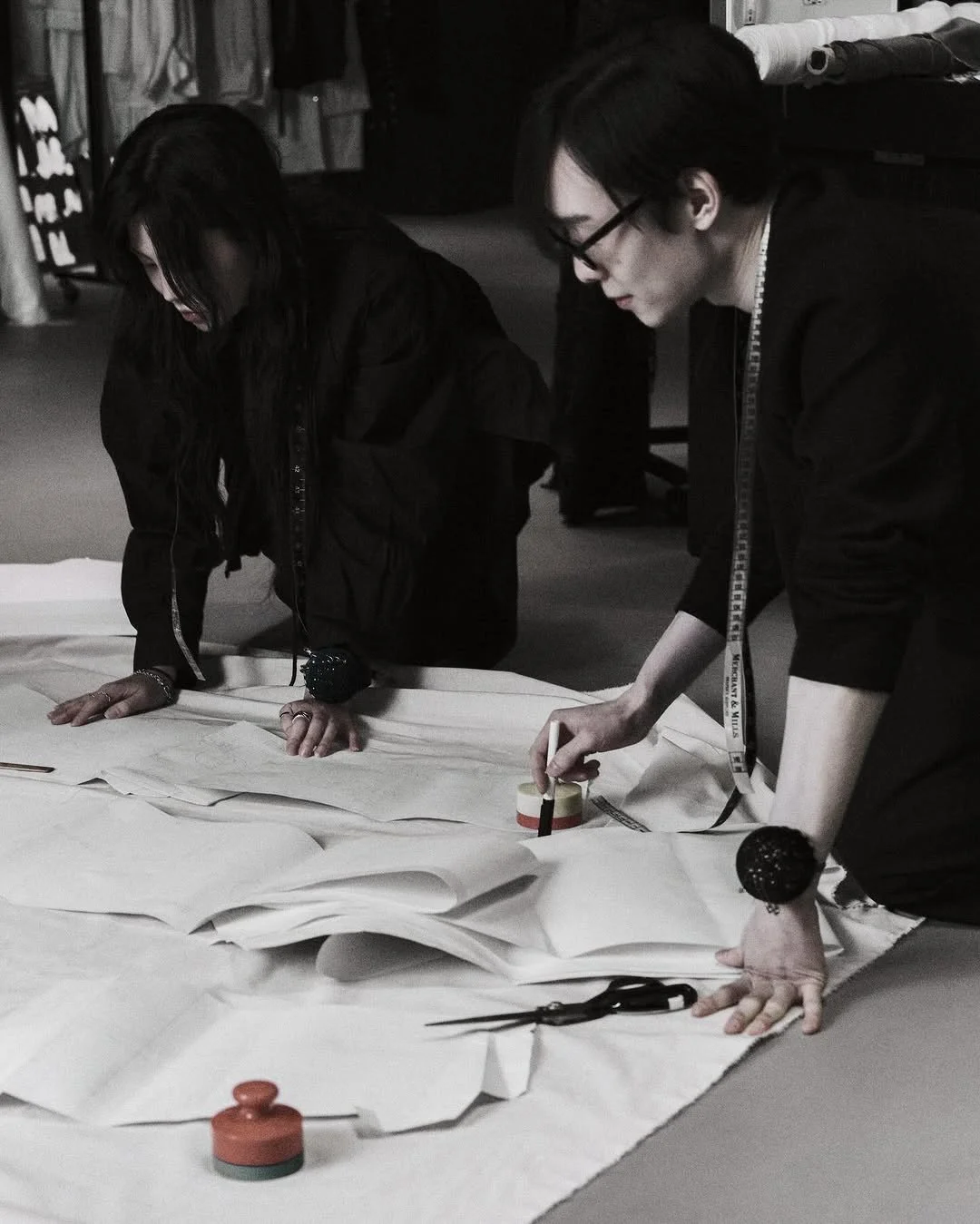
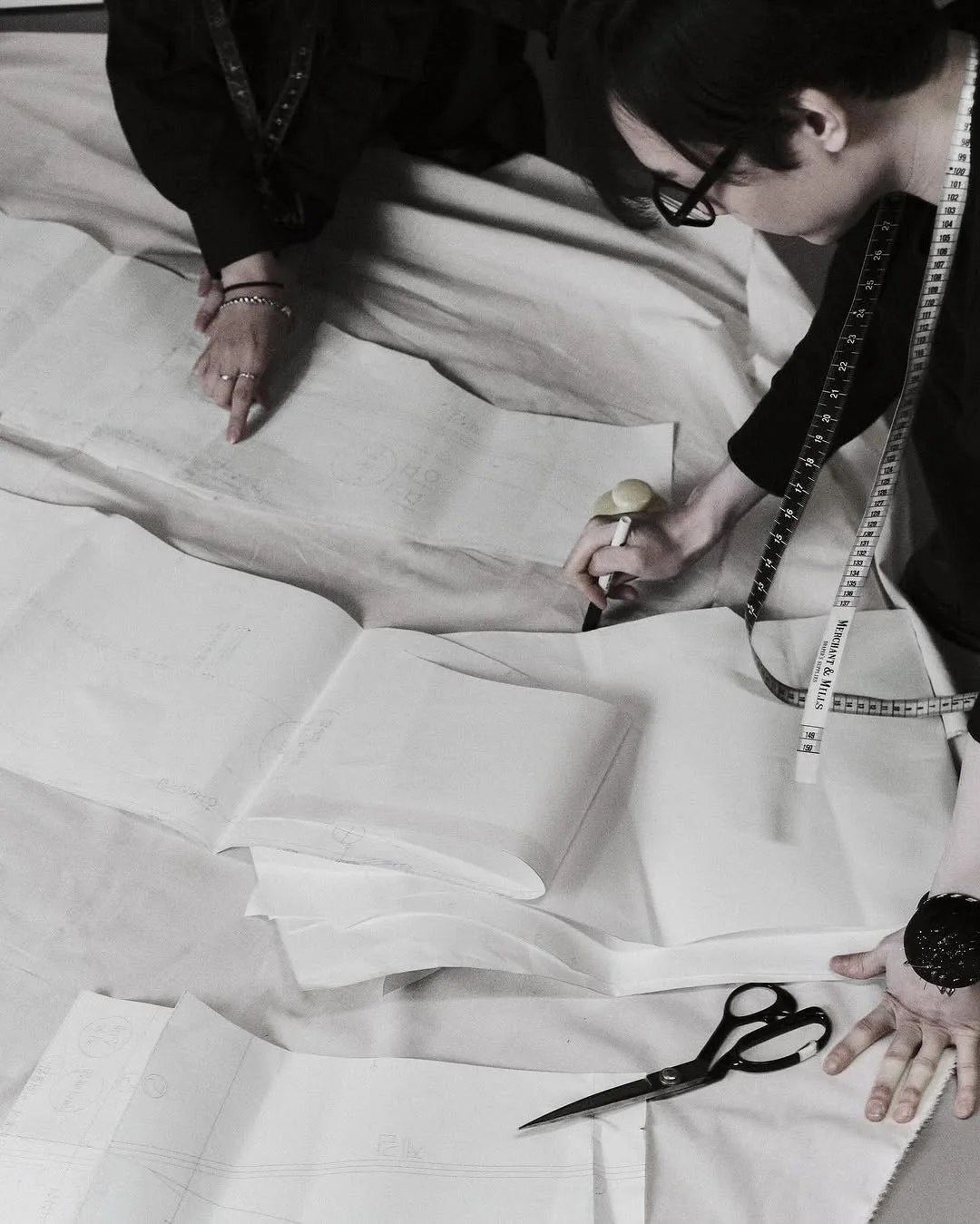
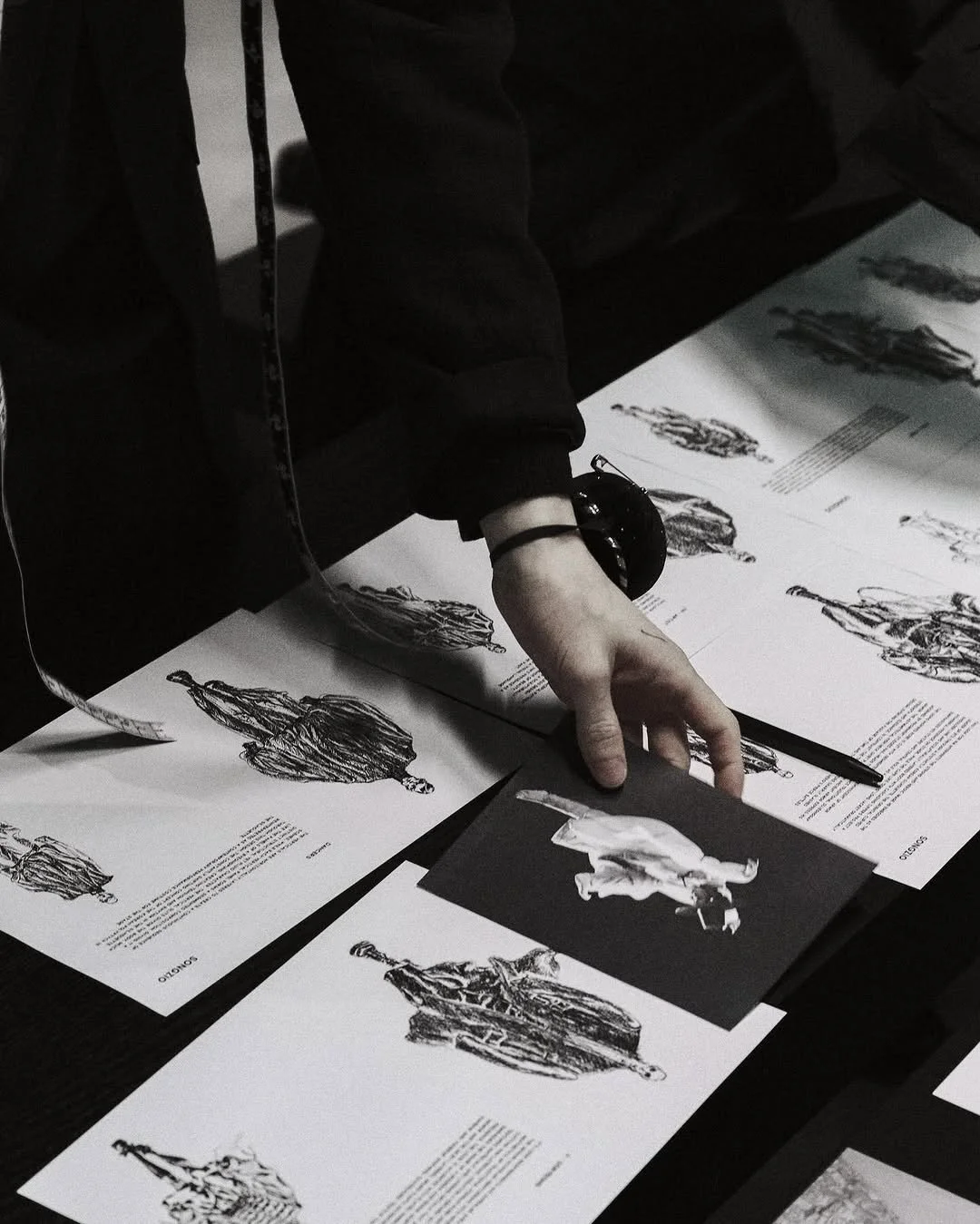
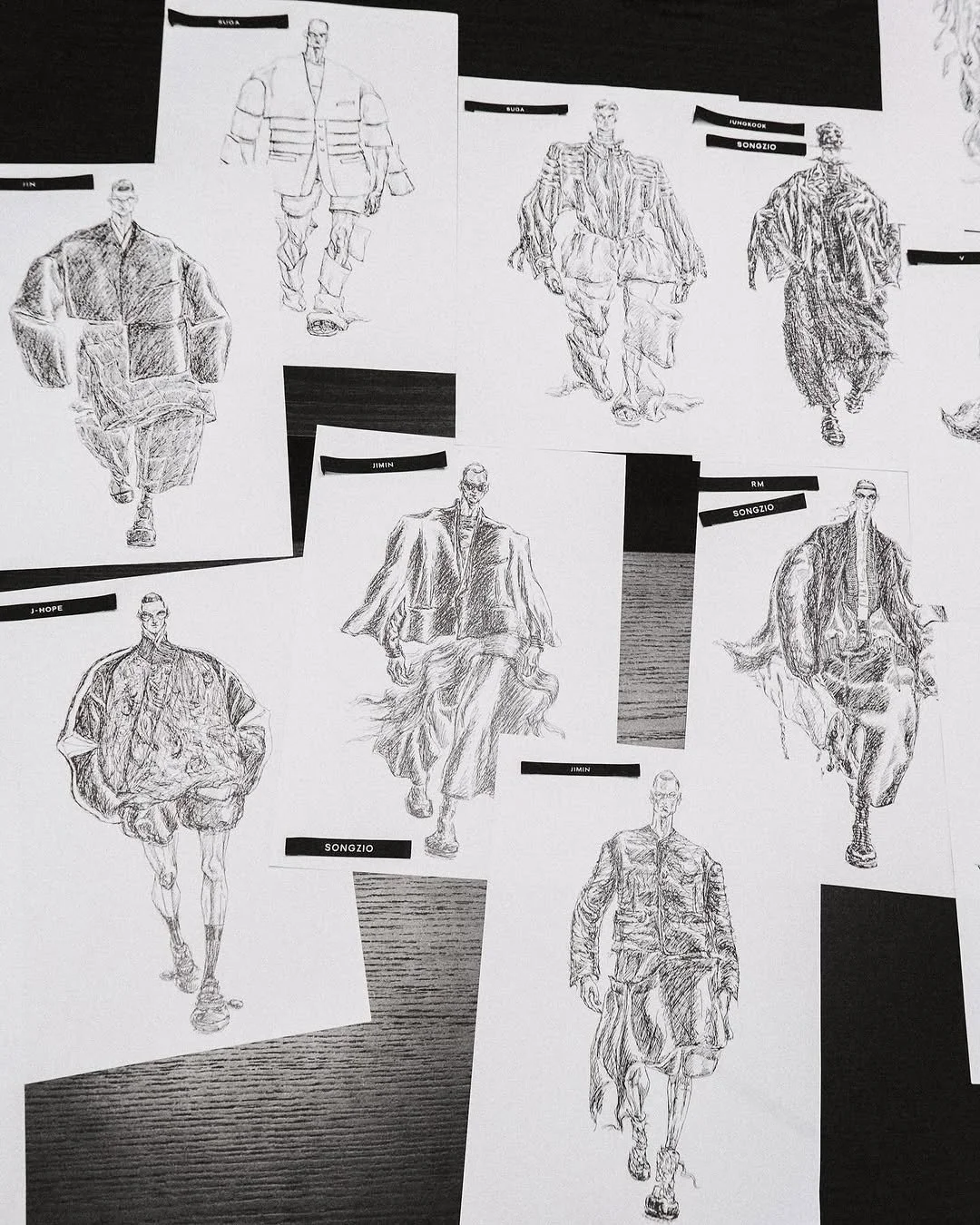
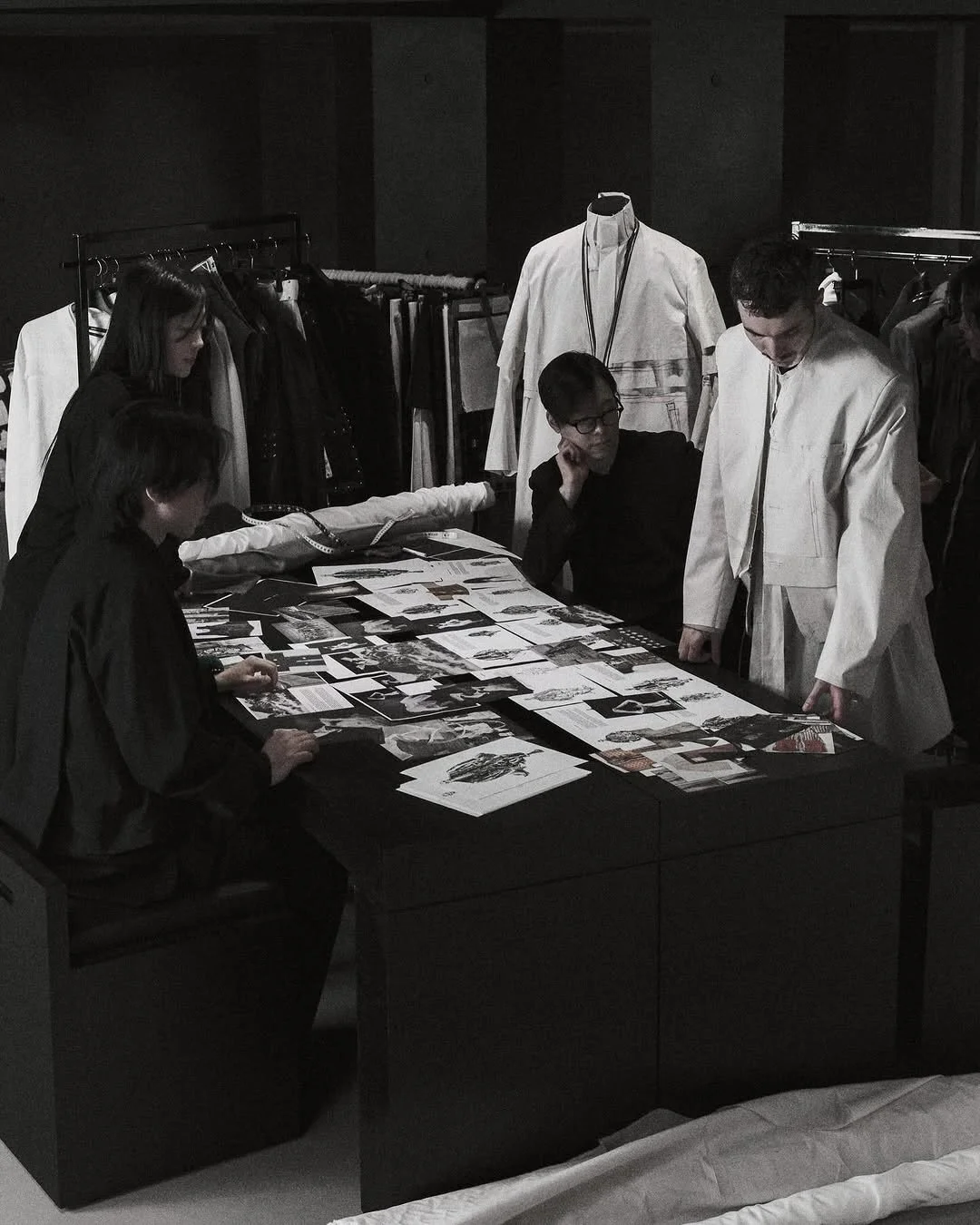
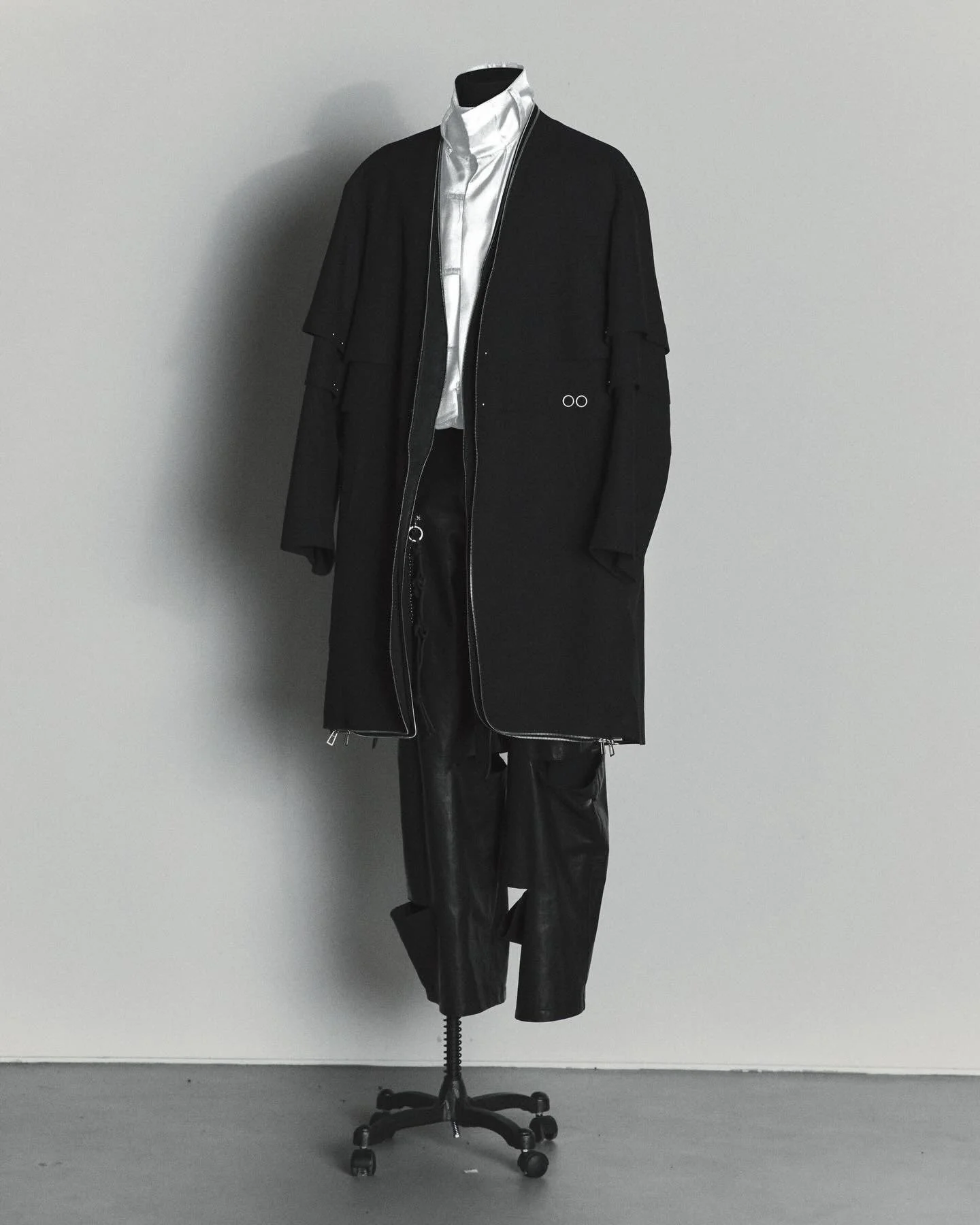
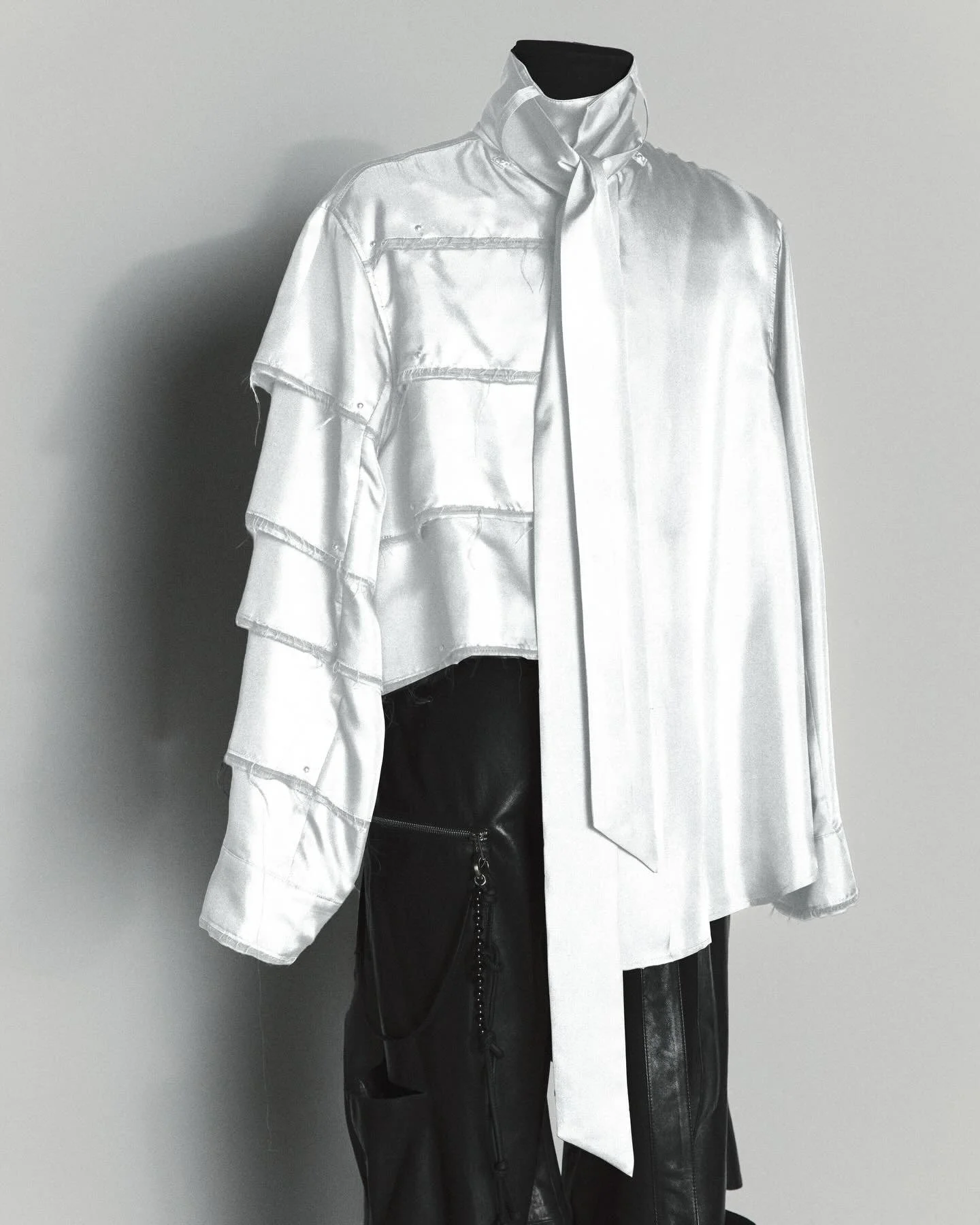
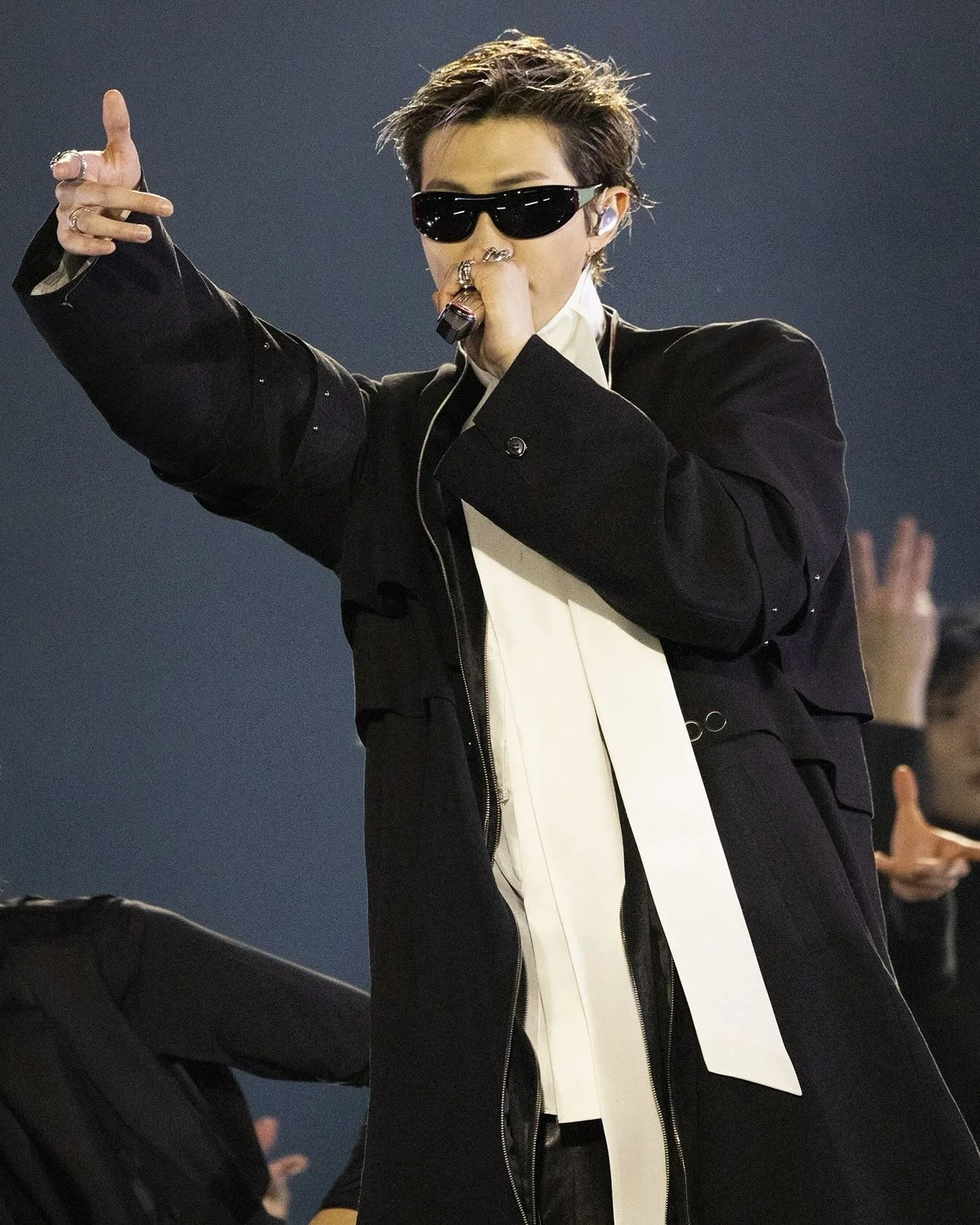
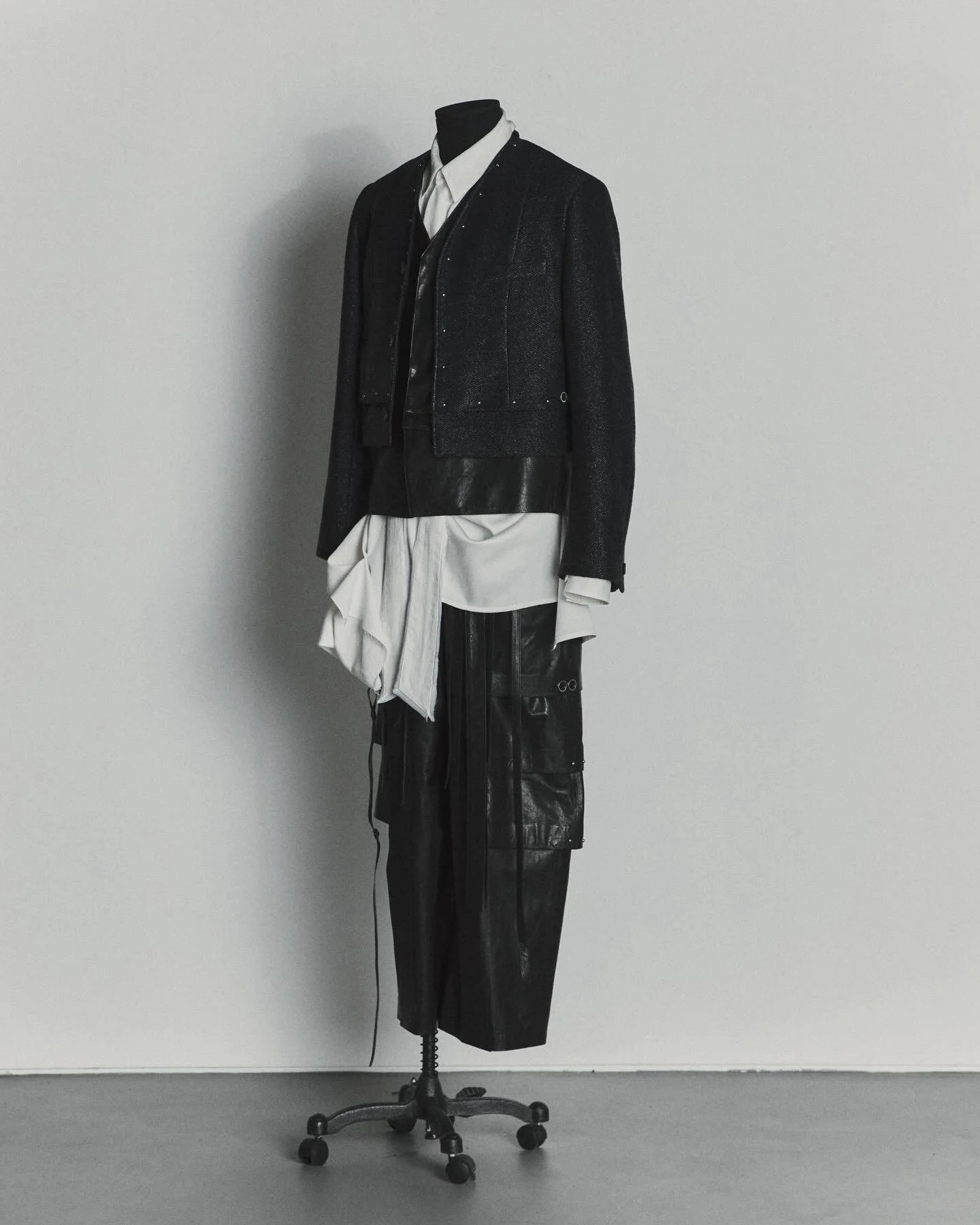
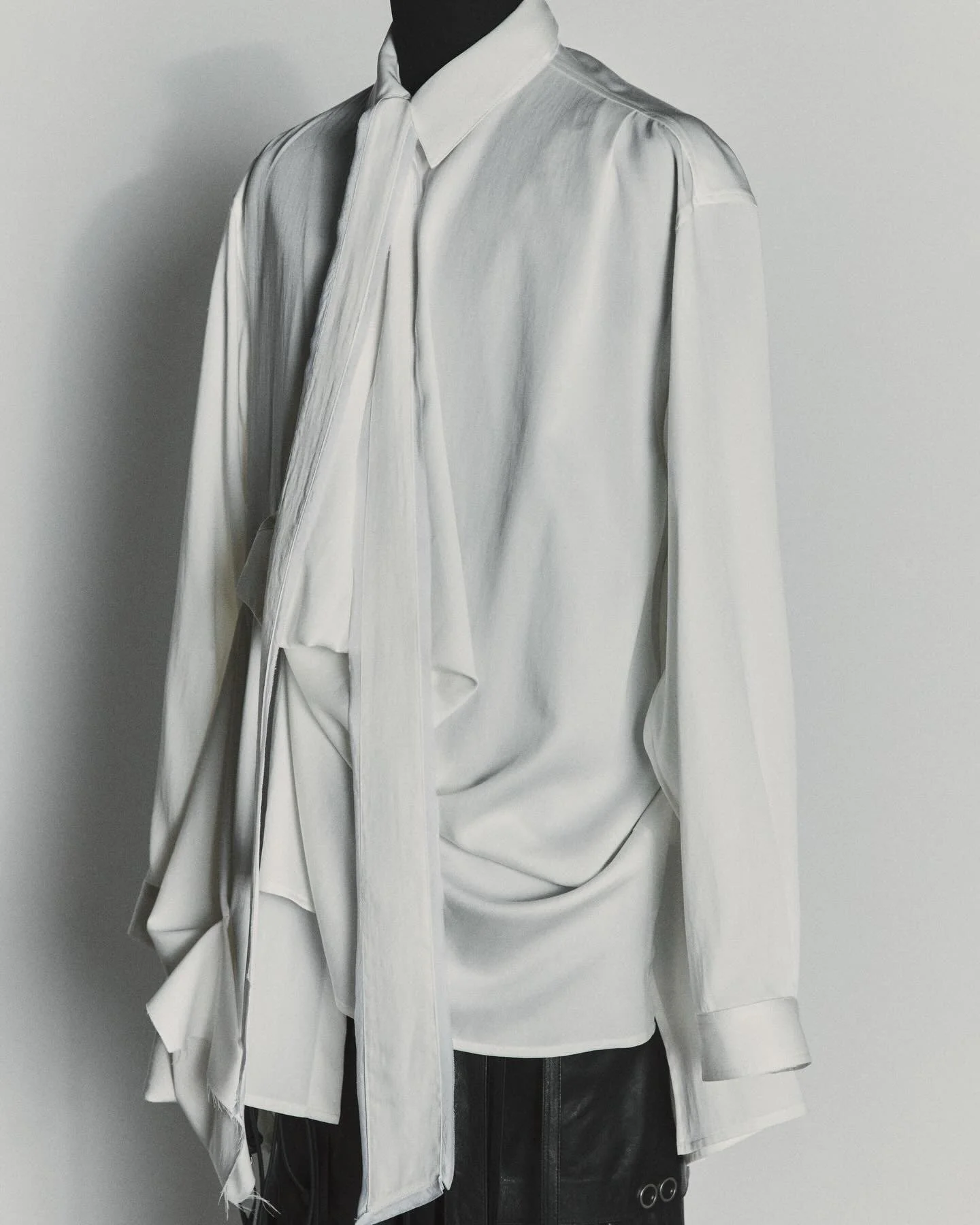
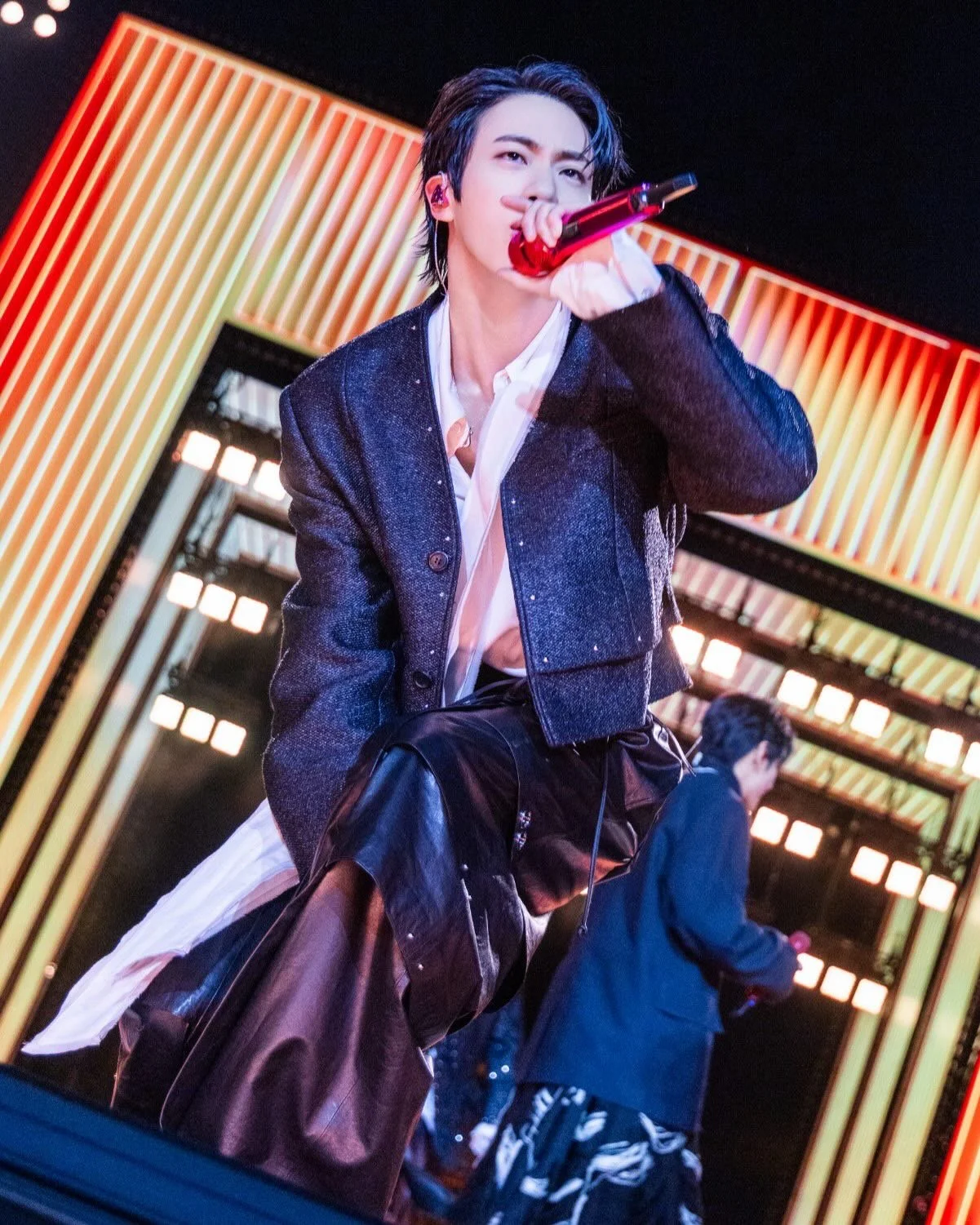
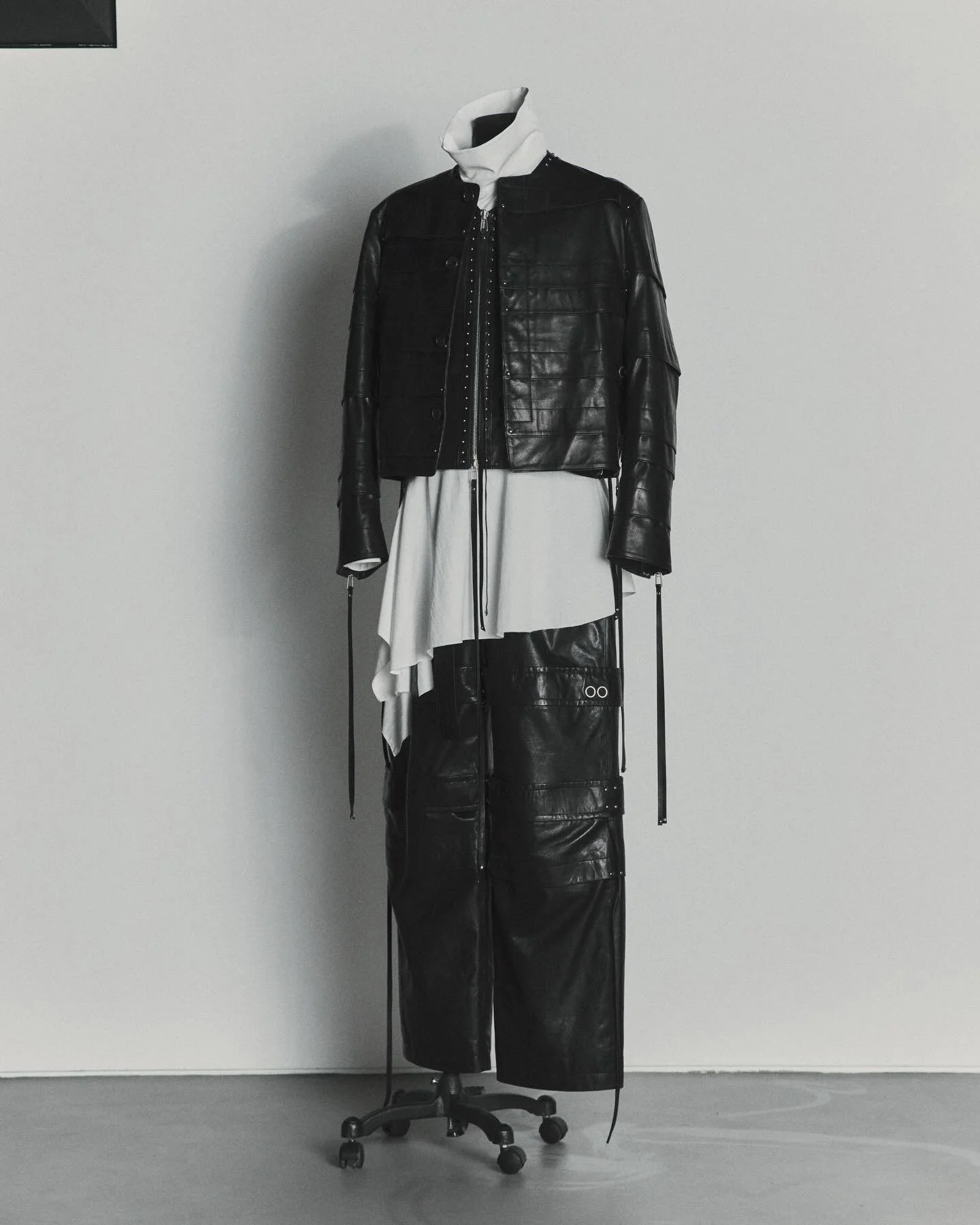
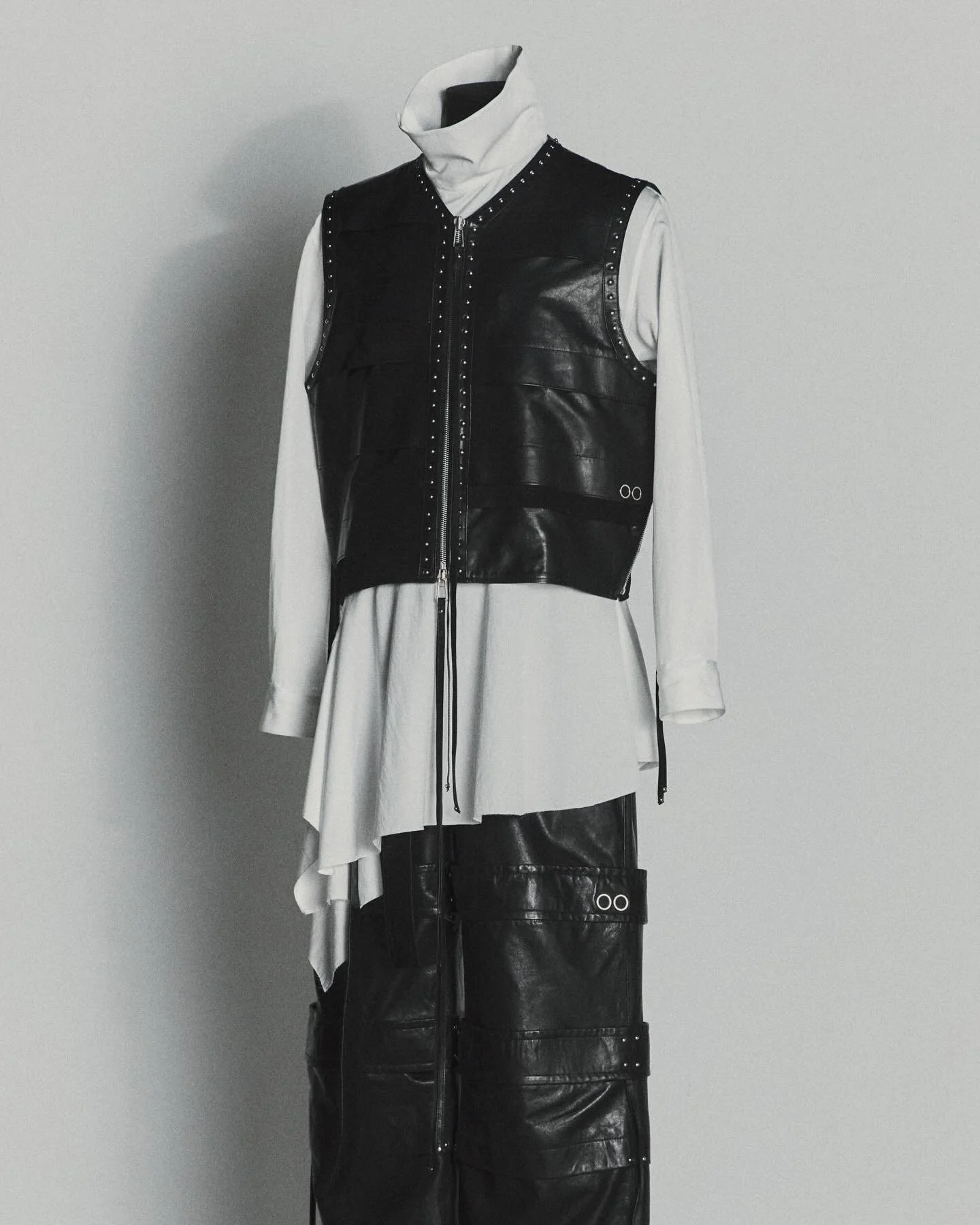
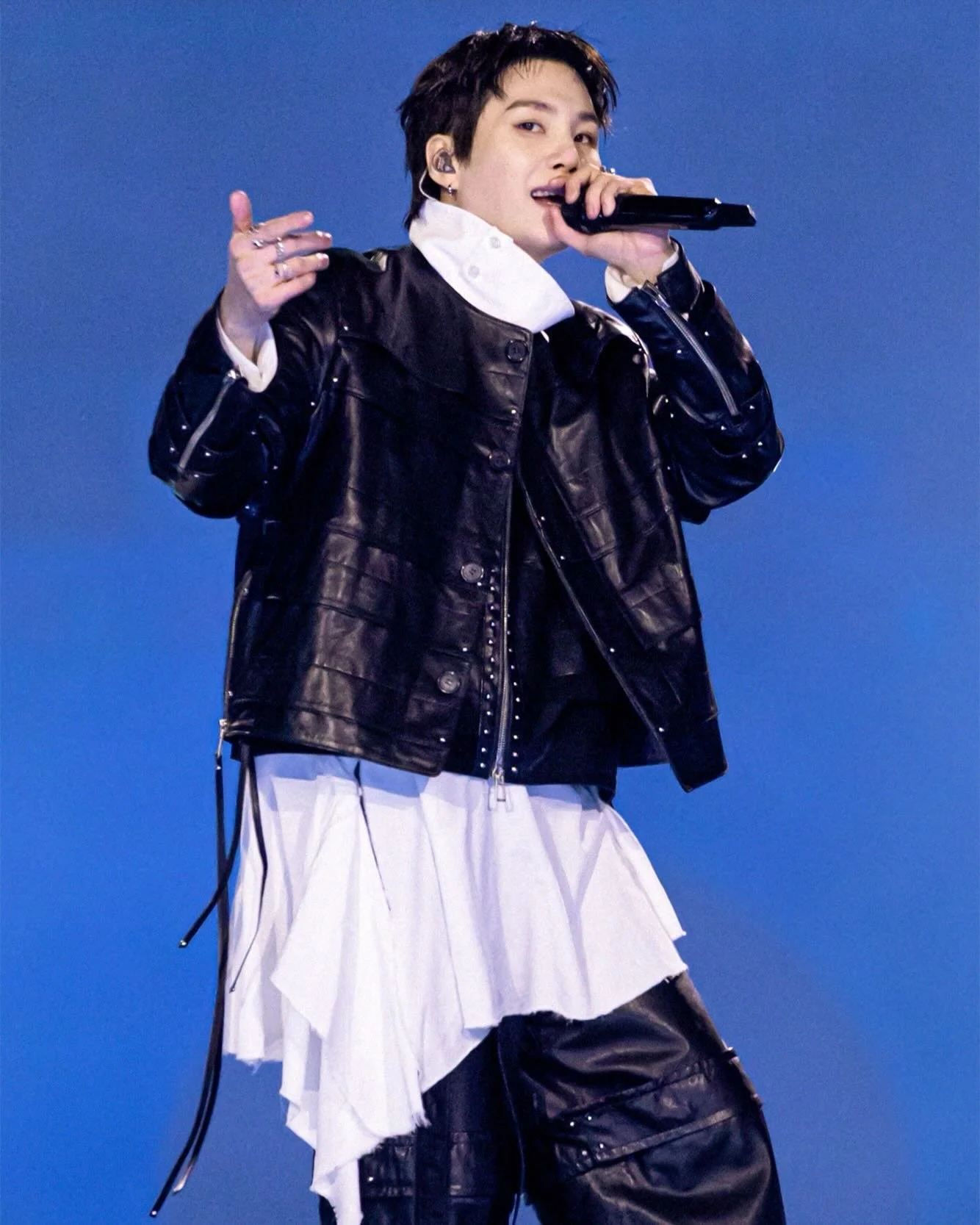
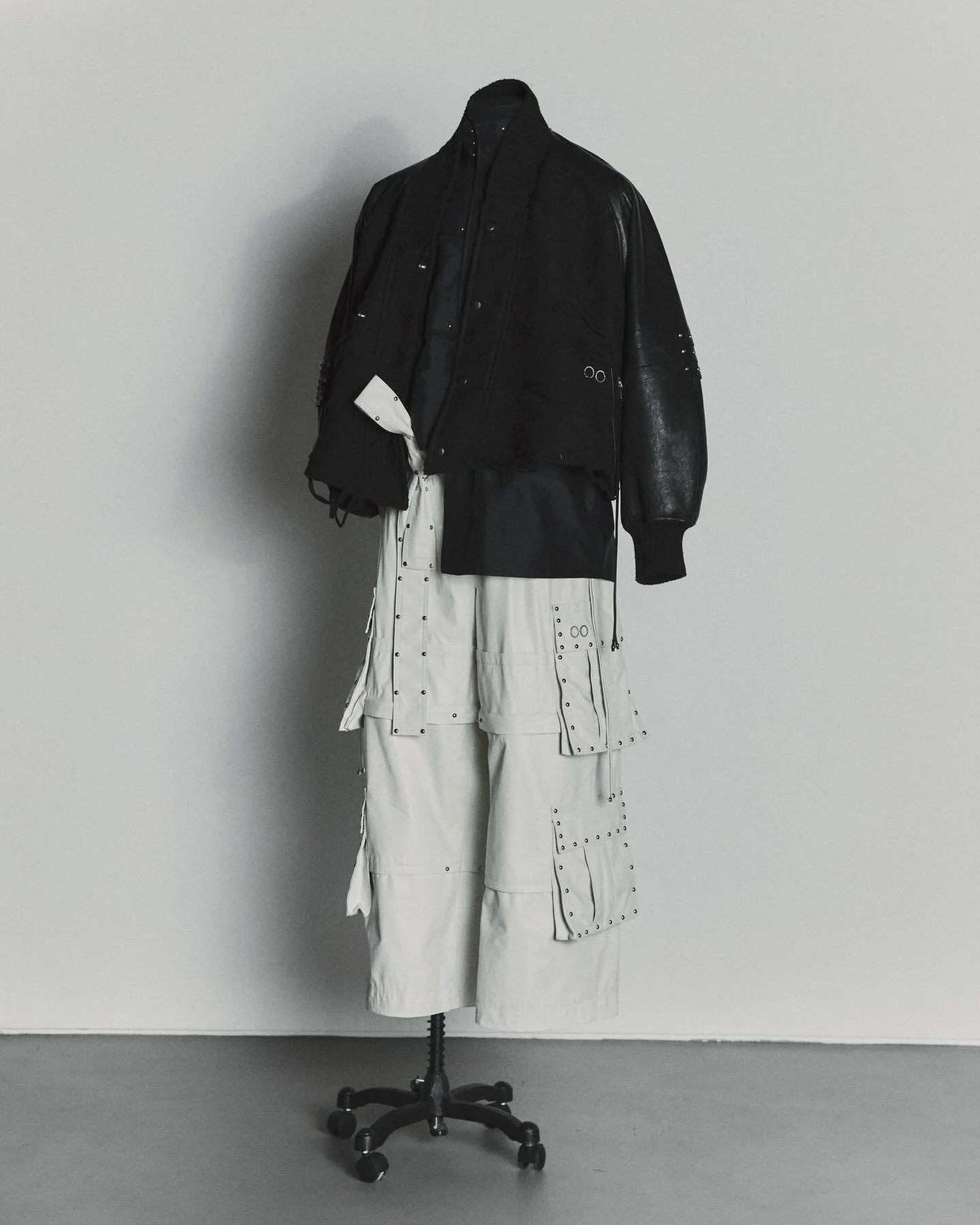
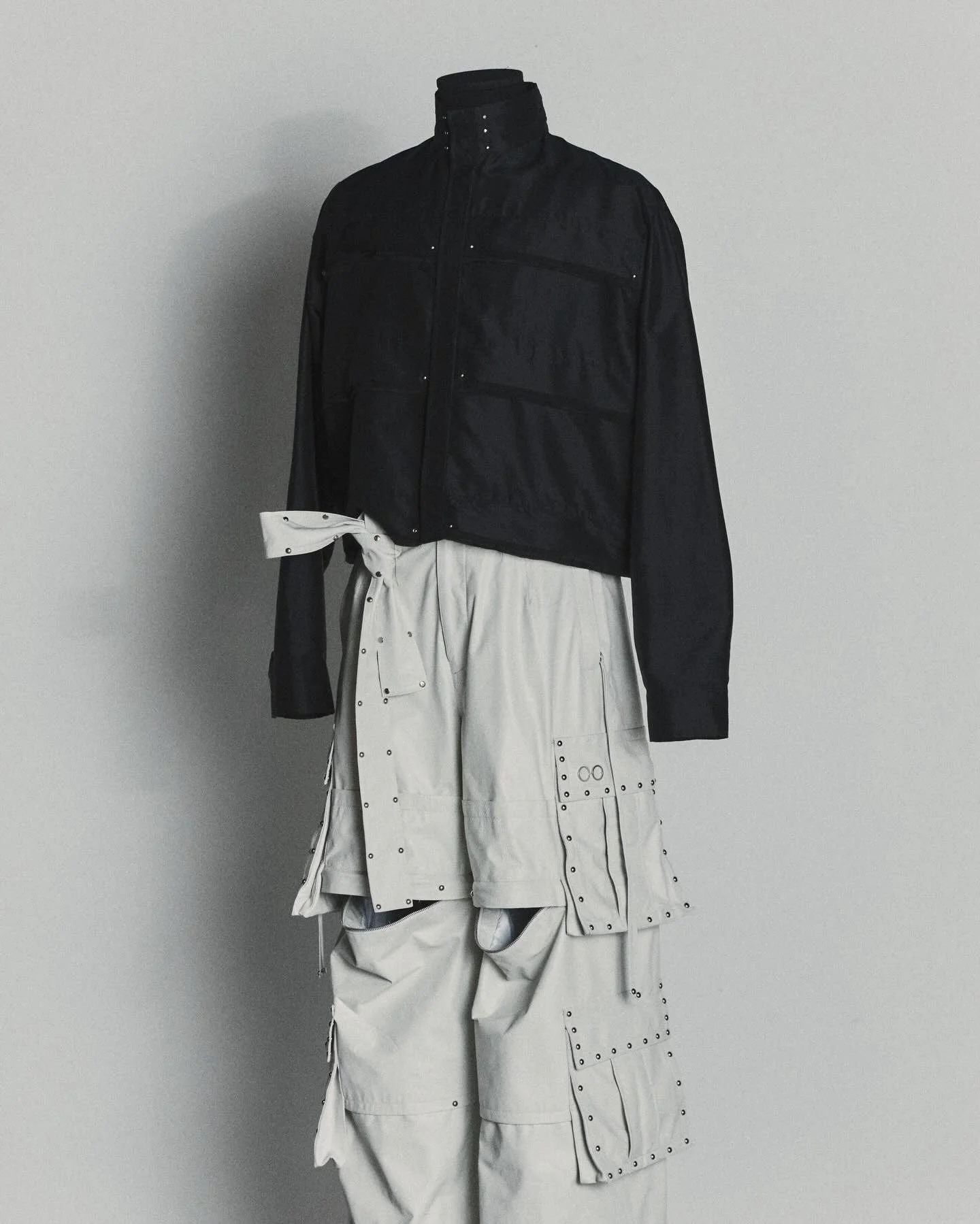
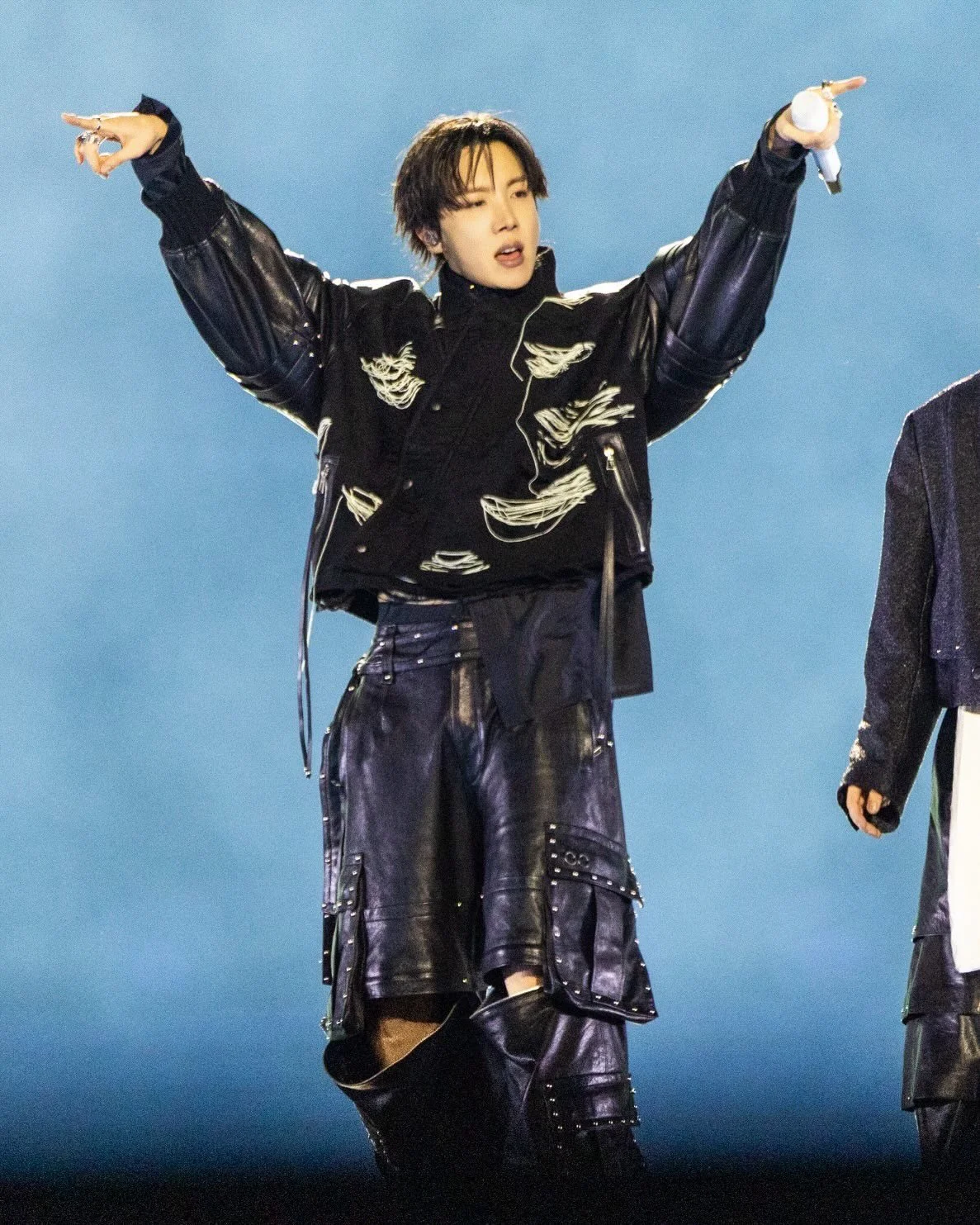
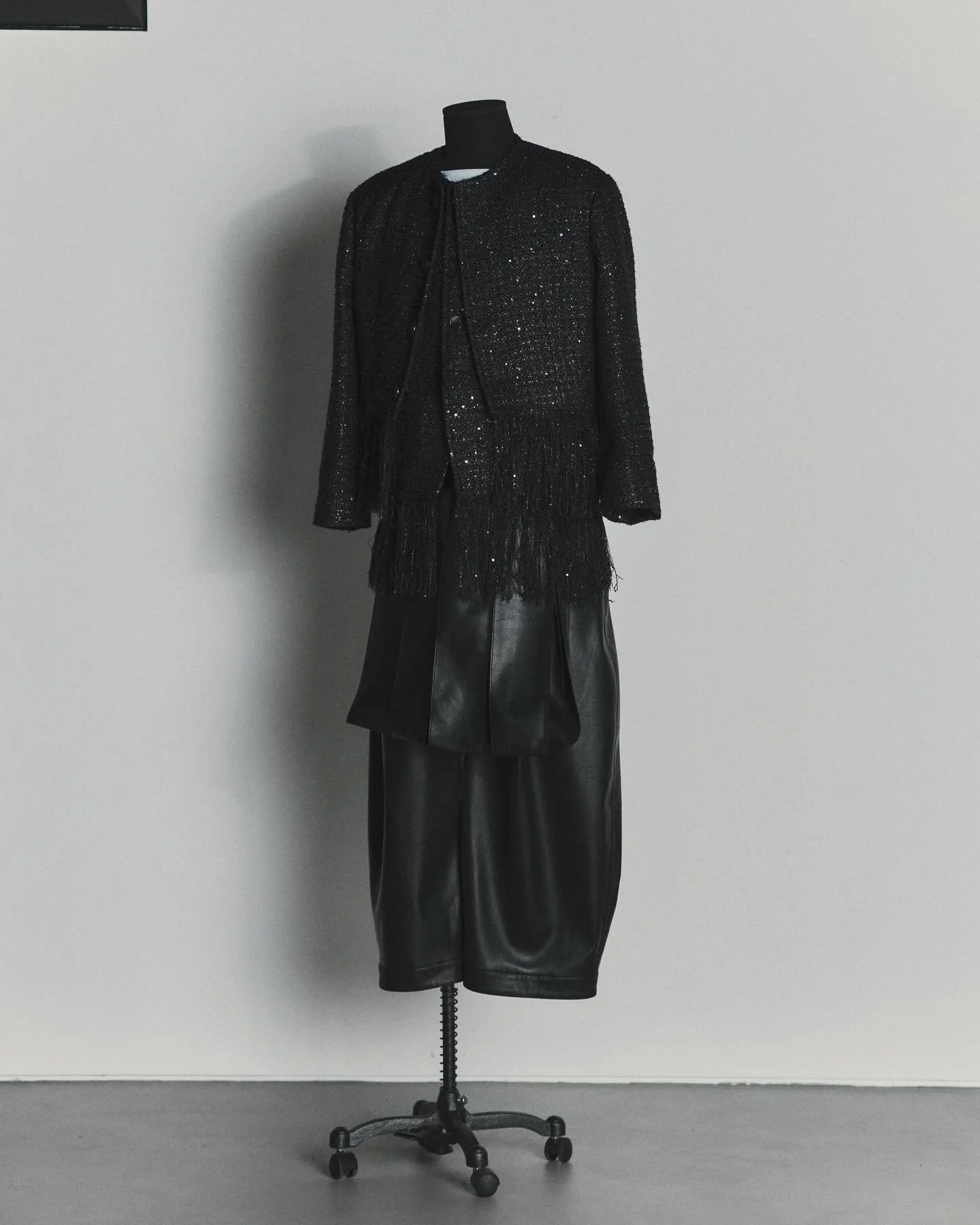
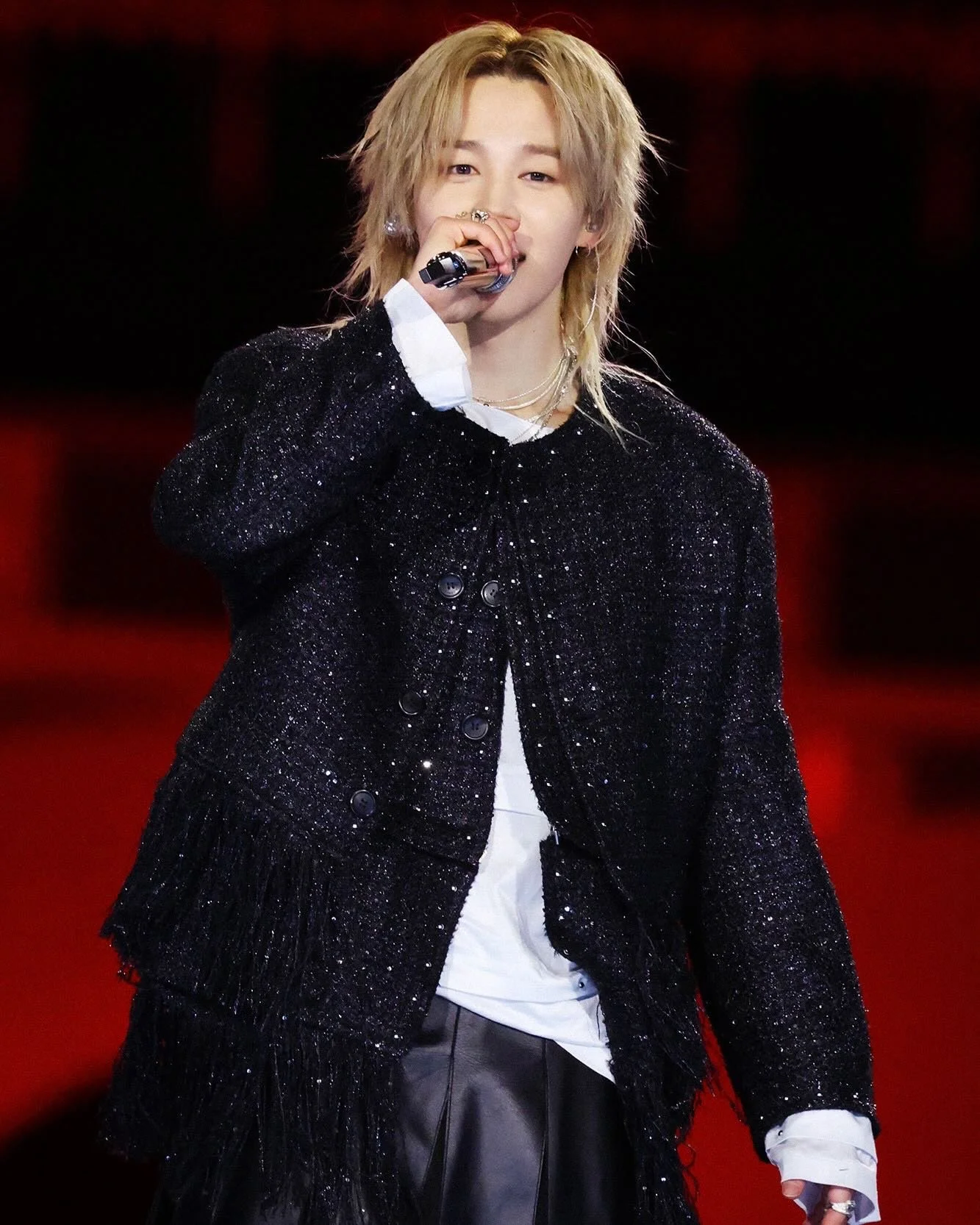
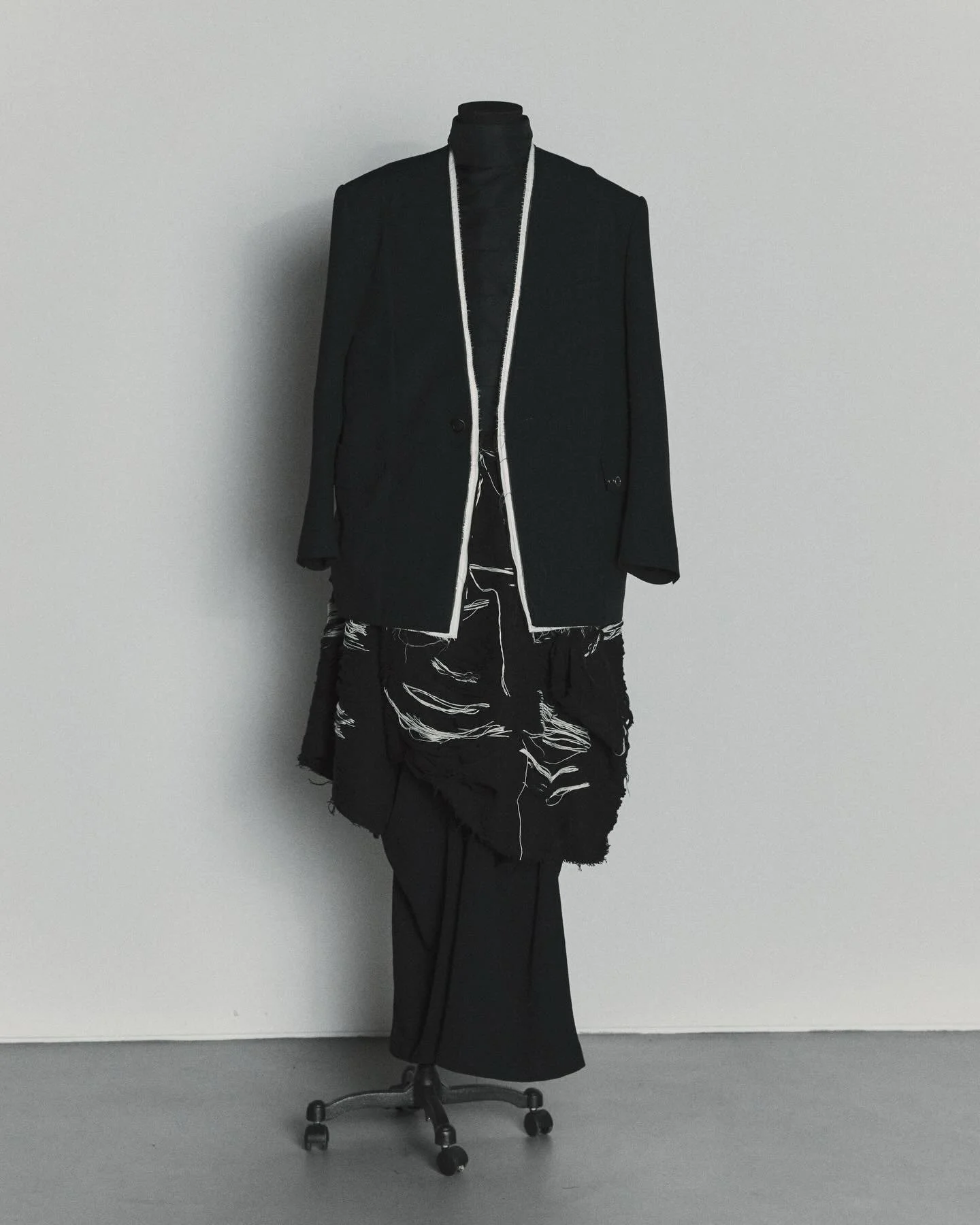
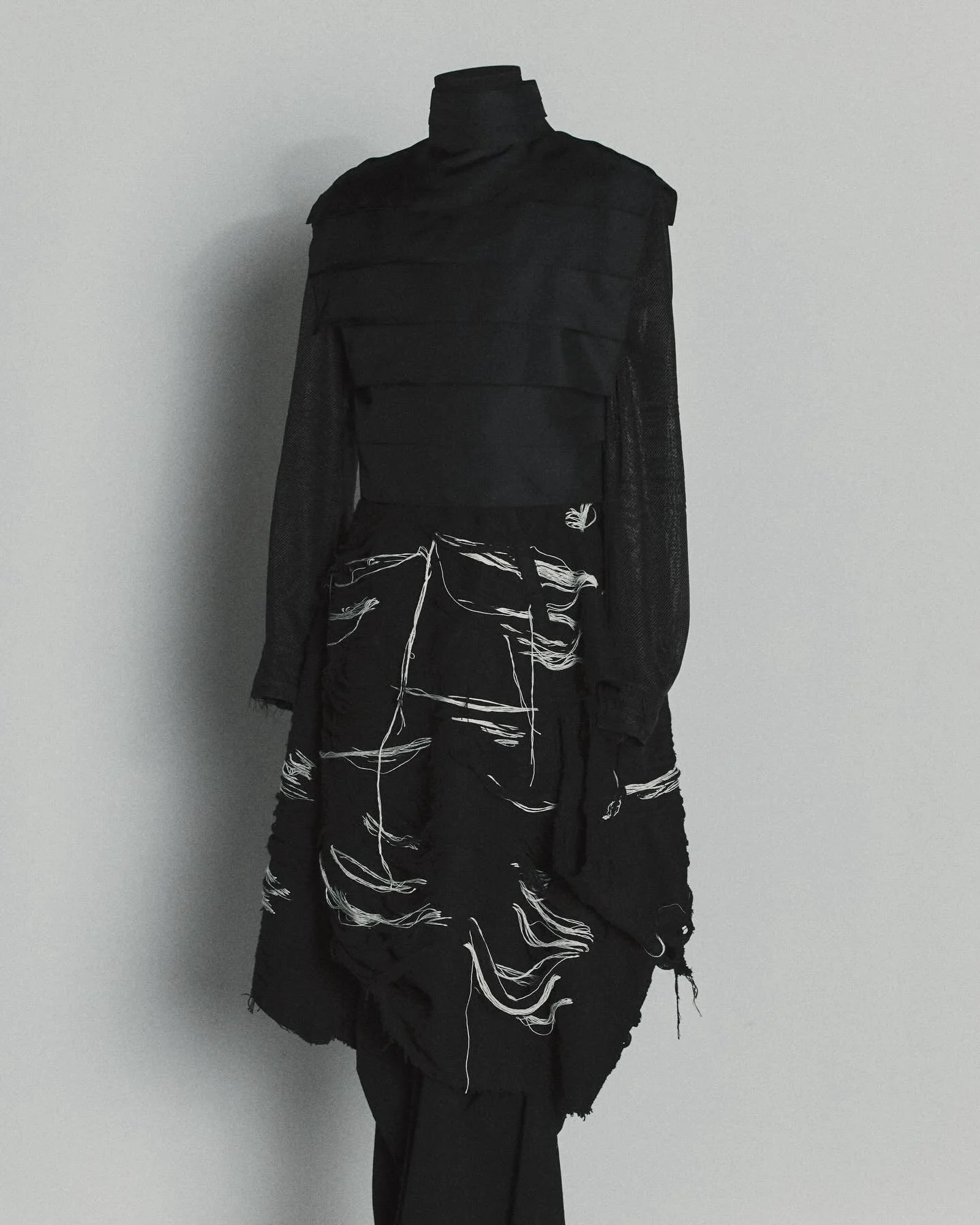
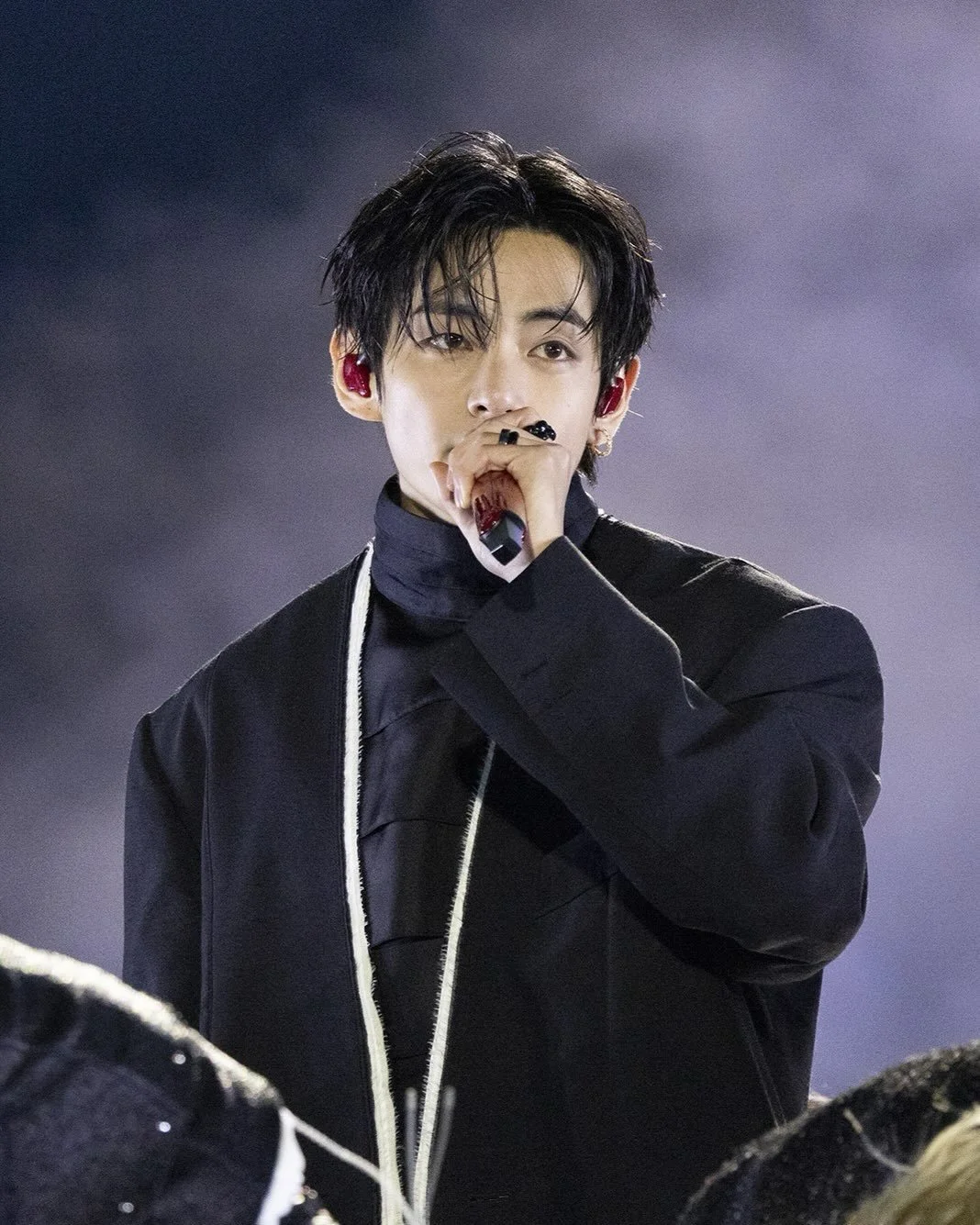
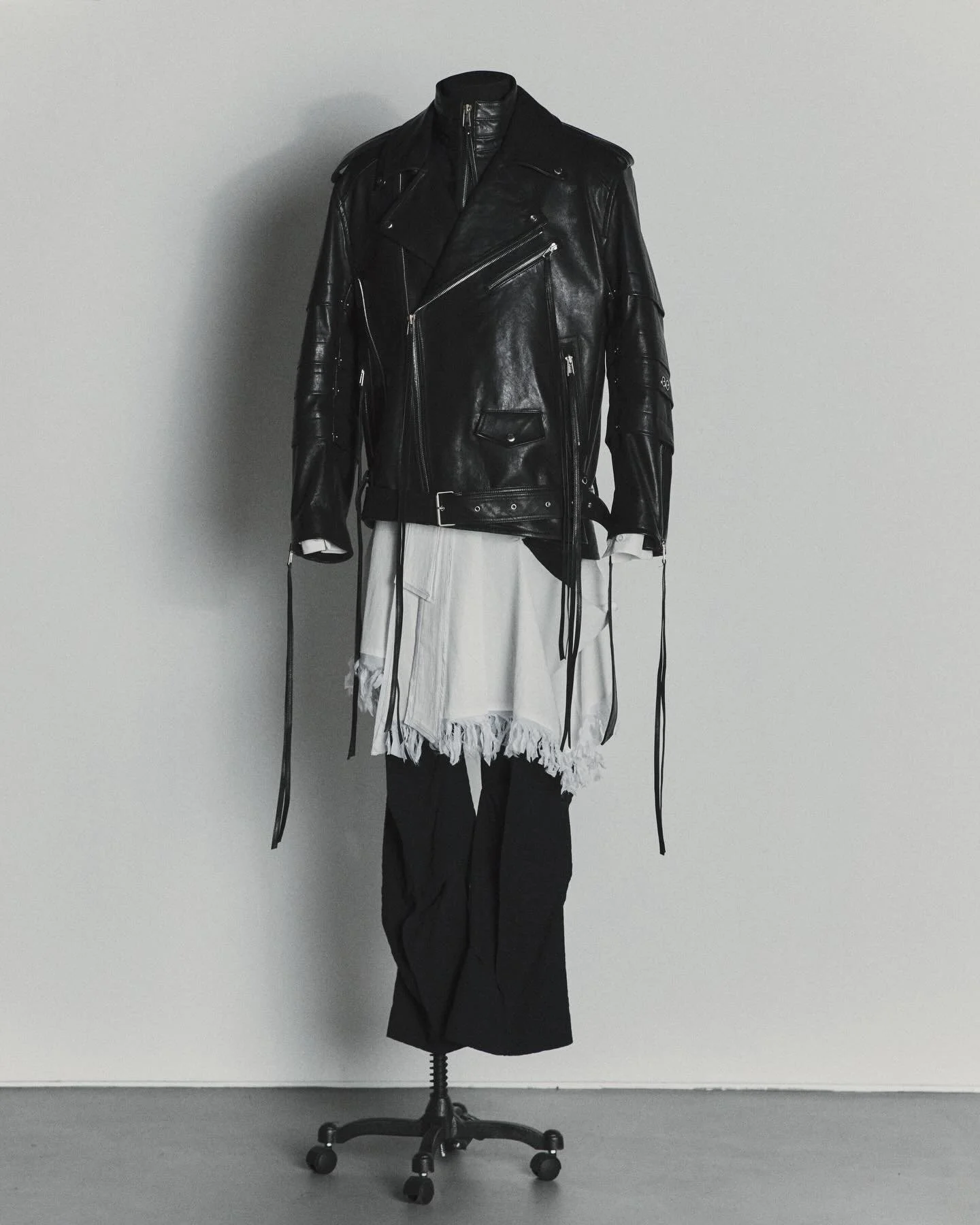
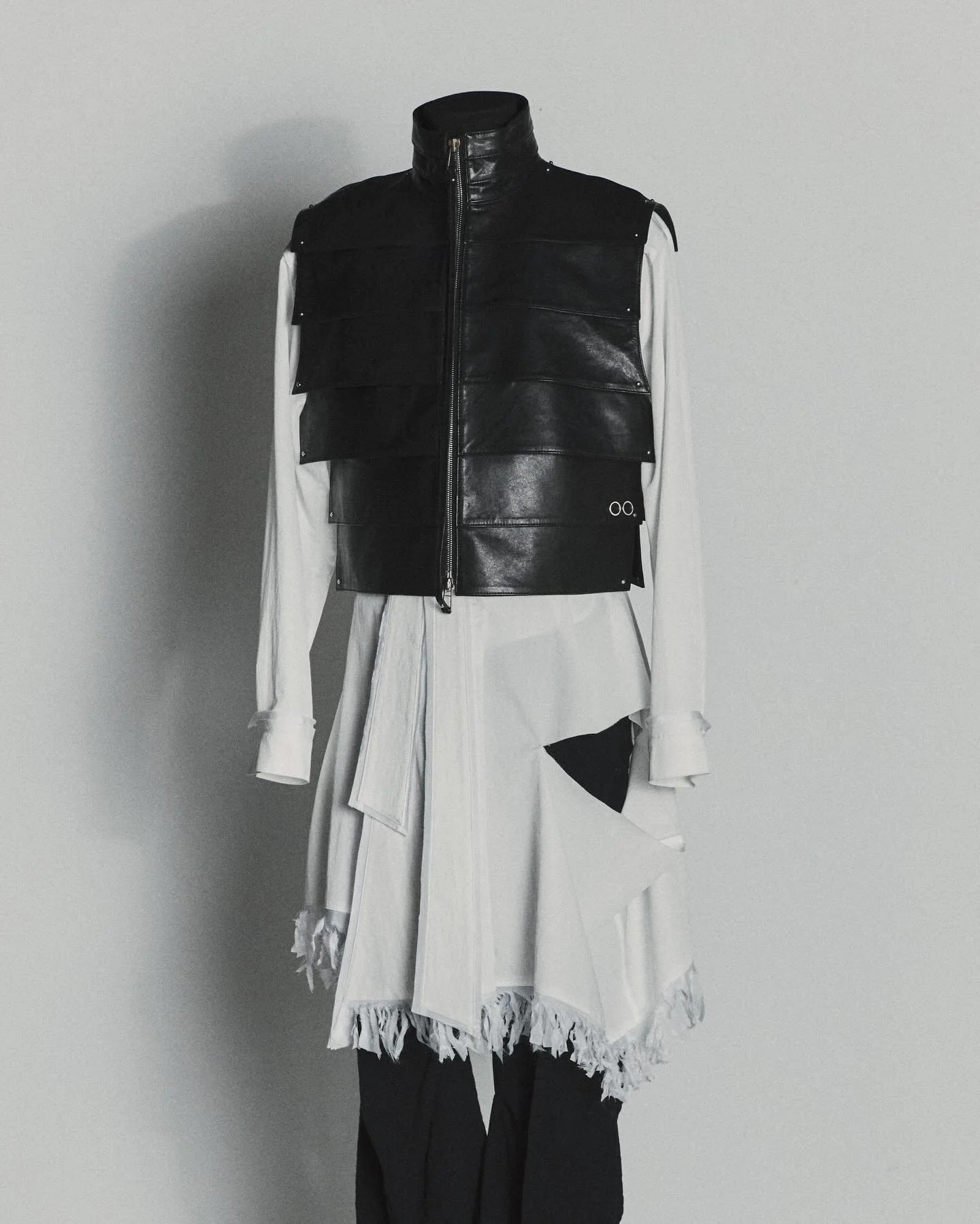
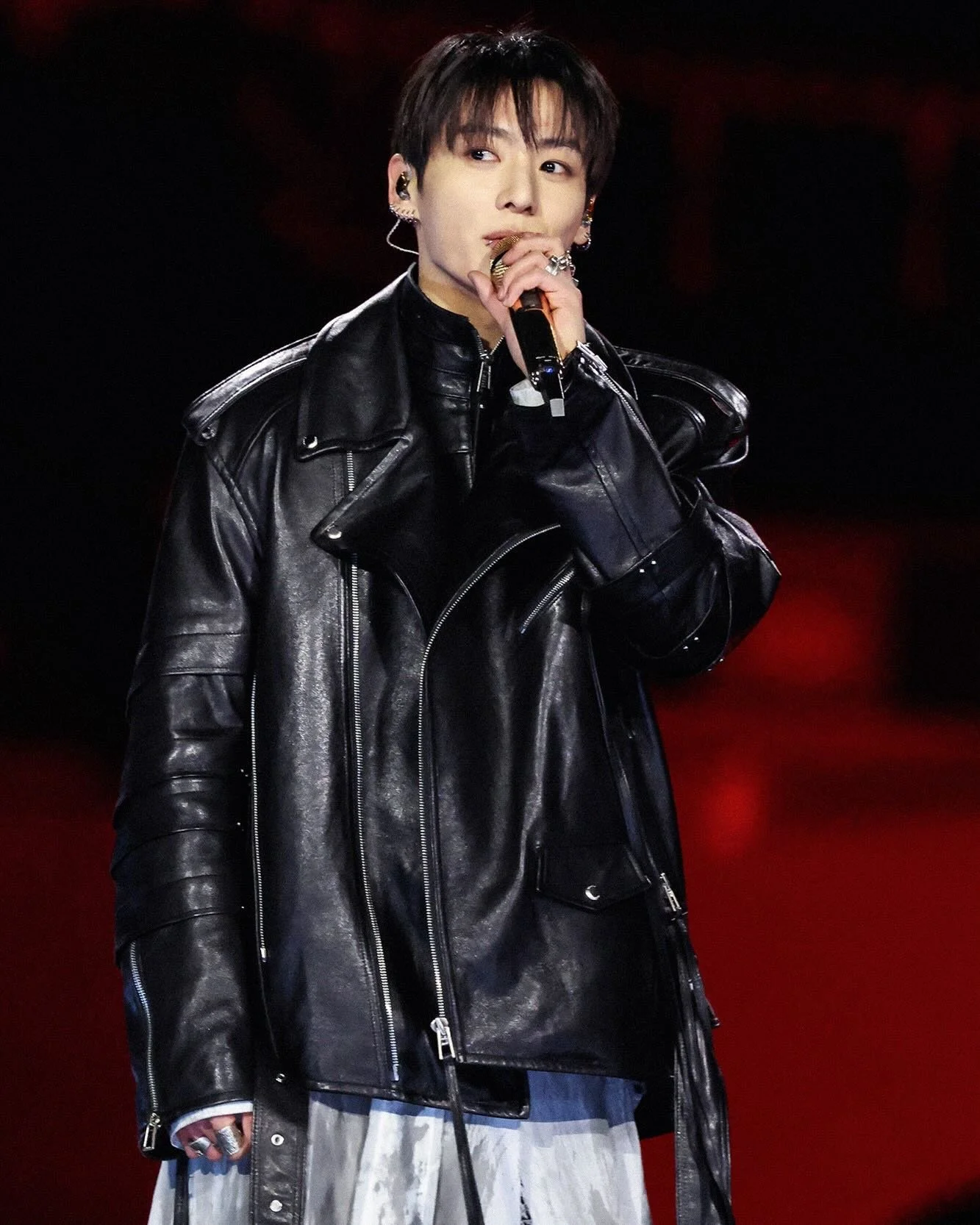
Song Zio's studio during development of Lyrical Armor and the collection at Gwanghwamun Square, March 21, 2026. Songzio.
The front yard. The homecoming itself: a free concert at Gwanghwamun Square, the historic heart of Seoul, on March 21. No ticket, no lottery, no resale—anyone who could get to the square could stand in it. Streamed live on Netflix, drawing 18.4 million viewers and hitting No. 1 in 24 countries. They didn't debut the new era from a generic arena. They did it standing in the country's living room, against a stage built to echo a palace gate.
The pantry. Even the groceries. In spring 2026, timed to the North American tour, BTS launched ARIH with the Korean food houses Paldo and hy, sold exclusively at Walmart, nationwide. Modern Noodles in gochujang butter and truffle bulgogi, with the strands deliberately shortened so Americans can twirl them like pasta. Sodas fermented with rice embryo, black garlic, red ginseng, goji berry. A thousand years of Korean apothecary tradition rebranded as a clean-energy can, and a teenager in Ohio is going to drink it on the way to practice and never know she just took a sip of the house. It is not a licensing deal. It is a distribution strategy for a culture, with the length of a noodle as the only concession made.
Diplomacy
The relationships run from heads of state down to a movie theater in San Diego. Start at the top.
Japan and Korea — January 13, 2026. Japan's Prime Minister Sanae Takaichi and Korea's President Lee Jae-myung closed the first day of a bilateral summit in Nara, Japan, behind matching drum kits, playing BTS's "Dynamite." Japan occupied Korea for thirty-five years. Two governments chose a Korean pop song as their neutral ground.
Mexico — May 6, 2026. President Claudia Sheinbaum invited BTS to the National Palace. They waved from the balcony to 50,000 people in the Zócalo. No concert. No music. A wave. The last acts to draw a crowd like that without playing a note were the Beatles and Michael Jackson.
Three sold-out nights followed at Estadio GNP Seguros—roughly 150,000 people, 2.1 million chasing tickets, an estimated $107 million into the city's economy. President Sheinbaum invited them back for 2027 before they had played a note.
France — July 18, 2026. 92,000 at the Stade de France, the largest single-show crowd of their career. President Emmanuel Macron and Madame Brigitte Macron were in the audience, holding light sticks.
Afterward the President posted a video captioned "Bienvenue à Paris!" with a finger heart—a Korean gesture, from a French head of state, in his own capital.
Looking backward, none of this is new. The pattern runs nine years deep.
UNICEF, 2017. They launched Love Myself, which became one of the most successful youth mental-health campaigns ever attached to a global body.
United Nations, 2018. They addressed the General Assembly at the launch of UNICEF's Generation Unlimited, where RM told a global audience to speak themselves.
United Nations, 2020. They returned for the 75th session with a message to young people in the first year of the pandemic.
United Nations, 2021. President Moon Jae-in appointed all seven Special Presidential Envoys for Future Generations and Culture—a formal diplomatic credential—before they addressed the Assembly and filmed "Permission to Dance" inside the building.
The White House, 2022. On May 31 they spoke from the briefing room, and privately with the President, about anti-Asian hate crimes and inclusion.
A government does not hand out envoy credentials for record sales. It does that when someone is doing work the state cannot do for itself.
Watch a World Cup and you'll recognize the feeling: strangers in each other's colors, whole streets celebrating a country not their own, everyone briefly fluent in the same thing. That is what a BTS stadium is, eighty-eight nights across this tour—thirty-four cities, twenty-three countries, through March 2027.
San Diego. The same relationship, at a smaller address.
Six months. Five concerts. Two cities—Las Vegas and Los Angeles. Part work, part leisure.
I watched Tokyo Dome from a movie theater here. This fall I'll be back in a theater for another live viewing, with friends I did not have in March.
I have shared a hotel room with my ex-boyfriend's ex-girlfriend. I have stayed in the same hotel as my ex-husband's cousins. I have made friends who feel like family out of people who, six months ago, were acquaintances. On LA Day 2 I sat beside strangers from San Francisco; they have added me to their dinner reservation after RM's opening day.
I brought my sons. In six months they have started piano. They have started serving meals to people who are unhoused. They are learning Korean, Tagalog and Japanese. Not because I assigned it—because they watched seven men live that way and wanted to be like that.
On October 3, the San Francisco Museum of Modern Art opens RM x SFMOMA: Between You and Me — the first exhibition of RM's collection, two hundred works of Korean art and international contemporary art.
The Verdict
The assignment was two questions. Was there too much English on ARIRANG? And was the Korean a marketing gimmick?
The first answers itself. Anyone who heard too much English was standing on the welcome mat, mistaking it for the house.
The second has a receipt. In July they declined the Grammys rather than enter a category built for Asian pop—the likeliest award of their career, in the one room that would have paid them, explicitly, for being Korean. A gimmick is something you cash in. They let it go, and the Academy reopened the rule.
That is not marketing. That is a house rule.
Six months ago I watched seven Korean men on a movie screen in San Diego, half a world from the room, and felt the air go out of the place.
In twelve days I'll be standing in a museum in San Francisco, looking at Korean paintings, beside people I met in a stadium.
A note from the author — I'm not Korean. I wrote this as a guest: one who took the welcome mat seriously, did the reading, and fell for the whole house. Six months of it. Five concerts, two live theater broadcasts, the documentary, the studio notes, the Korean-language coverage, and enough Pimsleur to stop taking the translations on faith.
Everything good in these pages belongs to the Korean artists, scholars, and archivists who got there first. My job was to hold the door open and point at them.
Consider this an ally's standing ovation—and an invitation to go hear the Korean voices in the sources below, who say all of it better than I can. 보라해.
SOURCES & FURTHER READING
Images and video — BANGTANTV · HYBE LABELS · BIGHIT MUSIC · Netflix · Vogue · Olympic Channel · Weverse Shop · Spotify · The Tonight Show · @junghoihyung · @jd_choi79 · @bts_memes__ · @koreantopik4u · CNA · @emmanuelmacron · the members' Instagram accounts. Embedded under fair use for commentary and criticism.
The album and its reception
"BTS Nails Its Comeback With 'Arirang,'" Rolling Stone, March 2026 · Mark Savage, "BTS Arirang Review: K-pop Idols Rekindle Their Fire," BBC News, March 21, 2026 · Jon Caramanica, "BTS Is Too Big to Fail. But Not Too Big to Succeed," The New York Times, March 23, 2026 · Rhian Daly, "BTS – 'Arirang' Review," NME, March 24, 2026 · "BTS Honors Their Roots and Looks to the Future on Long-Awaited 'Arirang': A Track-by-Track Breakdown," The Hollywood Reporter, 2026 · "With 'Arirang,' BTS Returns to a K-pop Moment of Its Own Making," NPR, March 20, 2026
The Korean debate
Yuna Ku, "Is BTS Losing Its K-pop Identity as It Aims for a Bigger World Stage?" BBC Korean, April 9, 2026
The documentary
BTS: THE RETURN, dir. Bao Nguyen, HYBE and This Machine, Netflix, March 27, 2026 · "'BTS: The Return': Six Things We Learned," Rolling Stone, March 26, 2026 · Regina Kim, "'BTS: The Return' Documentary: 10 Things You Might Have Missed," Forbes, March 30, 2026
The Grammy withdrawal and the category review
Laura Sirikul, "BTS Won't Submit For 2027 Grammys Consideration — And Why It Matters," Forbes, July 29, 2026 · "BTS Says It Won't Submit Music for 2027 Grammy Consideration," Variety, July 2026 · "BTS Say They Won't Submit Their Music for the 2027 Grammy Awards," CBC News, July 30, 2026 · "Why BTS Don't Want a Grammy This Year," TIME, July 30, 2026 · "Recording Academy Discussing Future of New Asian Pop Category," Billboard, August 17, 2026 · "Grammys Rethink Asian Pop Category After BTS Boycott," Korea JoongAng Daily, August 2026 · Members' Instagram Stories, July 29, 2026
Charts, touring and commercial performance
"BTS 'Arirang' Surpasses 1 Million Paid Album Sales in the U.S.," StarNews Korea, September 14, 2026 · "BTS's 'ARIRANG' Reaches 25 Weeks on the Billboard 200," allkpop, September 2026 · "BTS Returns to Tokyo After 7 Years, Draws 110,000 Fans Over 2 Nights," The Korea Times · BTS World Tour 'ARIRANG' official schedule, BIGHIT MUSIC
"Arirang," the folk song
"Arirang," UNESCO Representative List of the Intangible Cultural Heritage of Humanity (Republic of Korea, 2012; DPRK, 2014) · "Arirang," Encyclopædia Britannica · E. Taylor Atkins, "The Dual Career of 'Arirang,'" The Journal of Asian Studies, 2007
Inside the album
RM, studio notes on Weverse, March 2026 · "Ancient Bell Sound Enters BTS Album After Museum Chief's Inspiration," The Korea Times · "Bell of King Seongdeok," Korea Heritage Service · Junghoihyung (@junghoihyung), Instagram, March 23, 2026 · BIGHIT MUSIC statement on RM's ankle injury, March 2026 · "BTS Cook Dinner Together | Now Serving" and "BTS Teaches You Korean," Vogue, March 2026 · "BTS to Launch 'Arirang' Pop-up Store in Seoul" (MU:DS × Sacred Bell), The Korea Herald · BTS World Tour 'ARIRANG' collection, Weverse Shop
Brand, food and institutions
"BTS Teams With Paldo, hy for Global Food Brand ARIH," The Korea Herald · "What Is BTS' New Food and Beverage Brand?" Food Network · "RM of BTS Named Ambassador for National Museum of Korea," Korea.net
Diplomacy
"Japanese and South Korean Leaders Jam to K-pop Hits at a Summit," Associated Press, January 14, 2026 · "Drum Diplomacy," Agence France-Presse, January 14, 2026; video released by the Office of the Prime Minister of Japan · "BTS Thrills 150,000 Fans Over Three Sold-out Shows in Mexico City," The Korea Times · "50,000 Fans Gather in Mexico City's Zócalo," Mexico News Daily · "BTS Draws Record Crowd in Paris, with French President Macron in Attendance," Korea JoongAng Daily, July 2026 · "BTS Draws French President to Paris Concert," The Korea Times, July 19, 2026 · "BTS Shine Spotlight on the United Nations as Envoys of the President of the Republic of Korea," UN Office for Partnerships · "BTS, K-pop icons, appointed South Korean presidential special envoys," The Washington Post, September 14, 2021 · Love Myself with UNICEF, launched 2017
RM x SFMOMA
"RM x SFMOMA, the First Exhibition of RM's Collection, Features 200 Works of Korean Art and International Contemporary Art," press release, San Francisco Museum of Modern Art, August 4, 2026 · Laura Sirikul, "RM x SFMOMA Exhibition," Forbes, September 12, 2026
Style: The Chicago Manual of Style, 18th ed. Korean quotations appear as originally posted; English renderings are the author's own. Korean-language sources were read in the original where possible and with translation assistance otherwise.
Corrections and rights inquiries: hello@thenounmagazine.com