
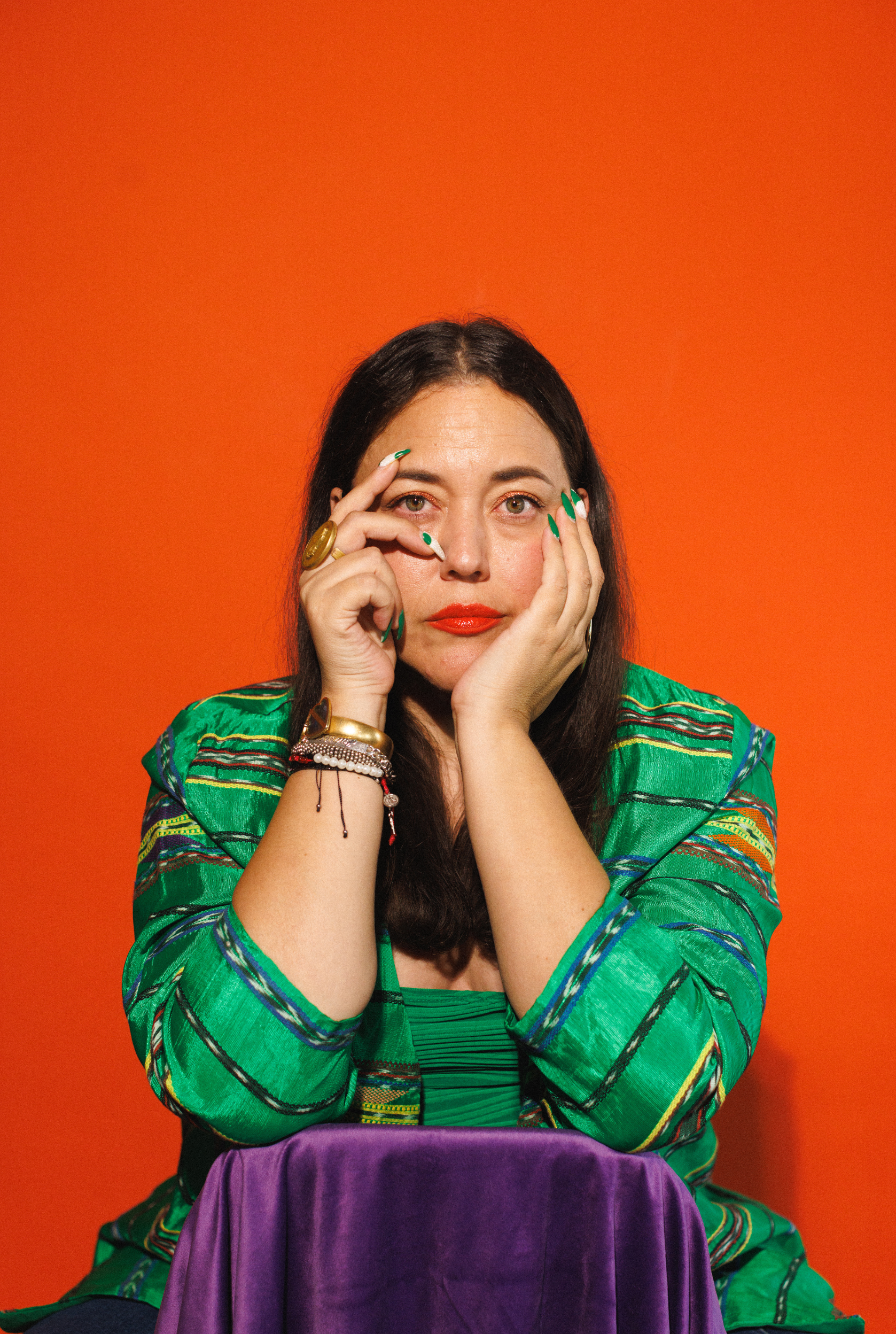
Photography has long existed between documentation and interpretation. A photograph can record a moment, but in the hands of an artist, it becomes something more—an emotional translation of light, place, and human presence.
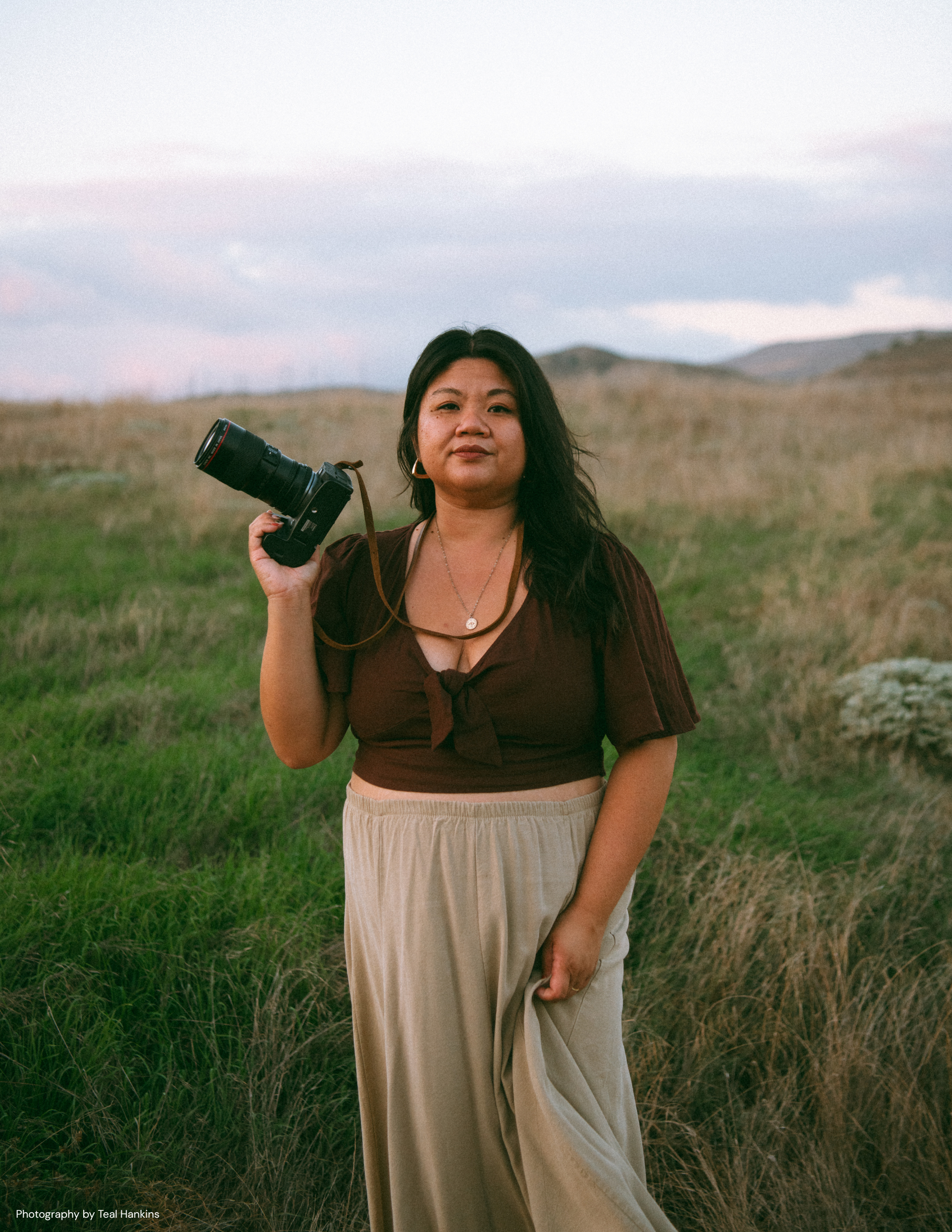
For Charlene Siliezar, founder and creative director of Studio Luniste, photography began not with a camera but with magazines. Long before social media and digital inspiration boards, printed pages were her first creative landscape. As a child she cut and assembled images, typography, and photographs into early vision boards, unknowingly developing the instincts that would later shape her visual language.
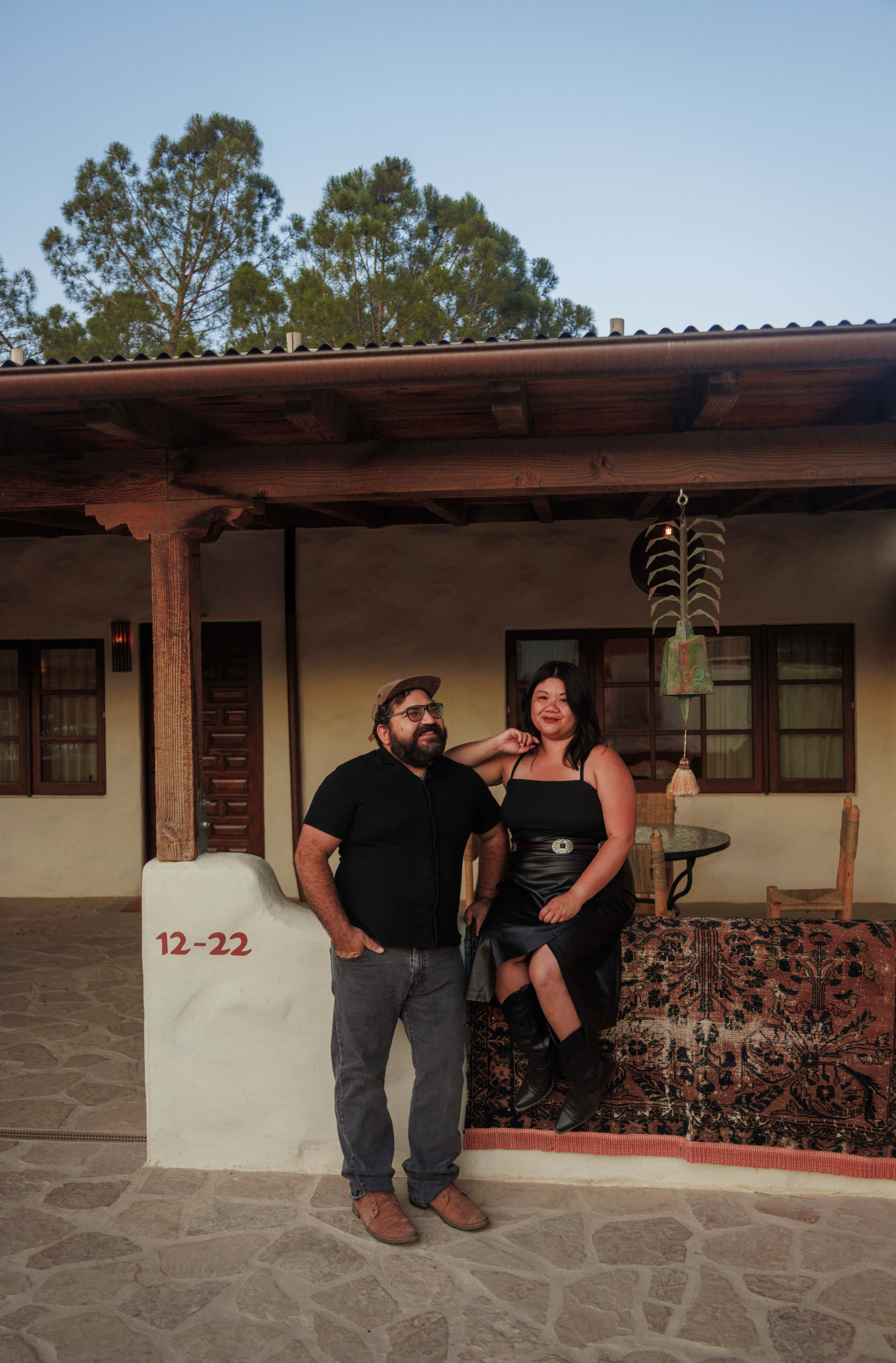
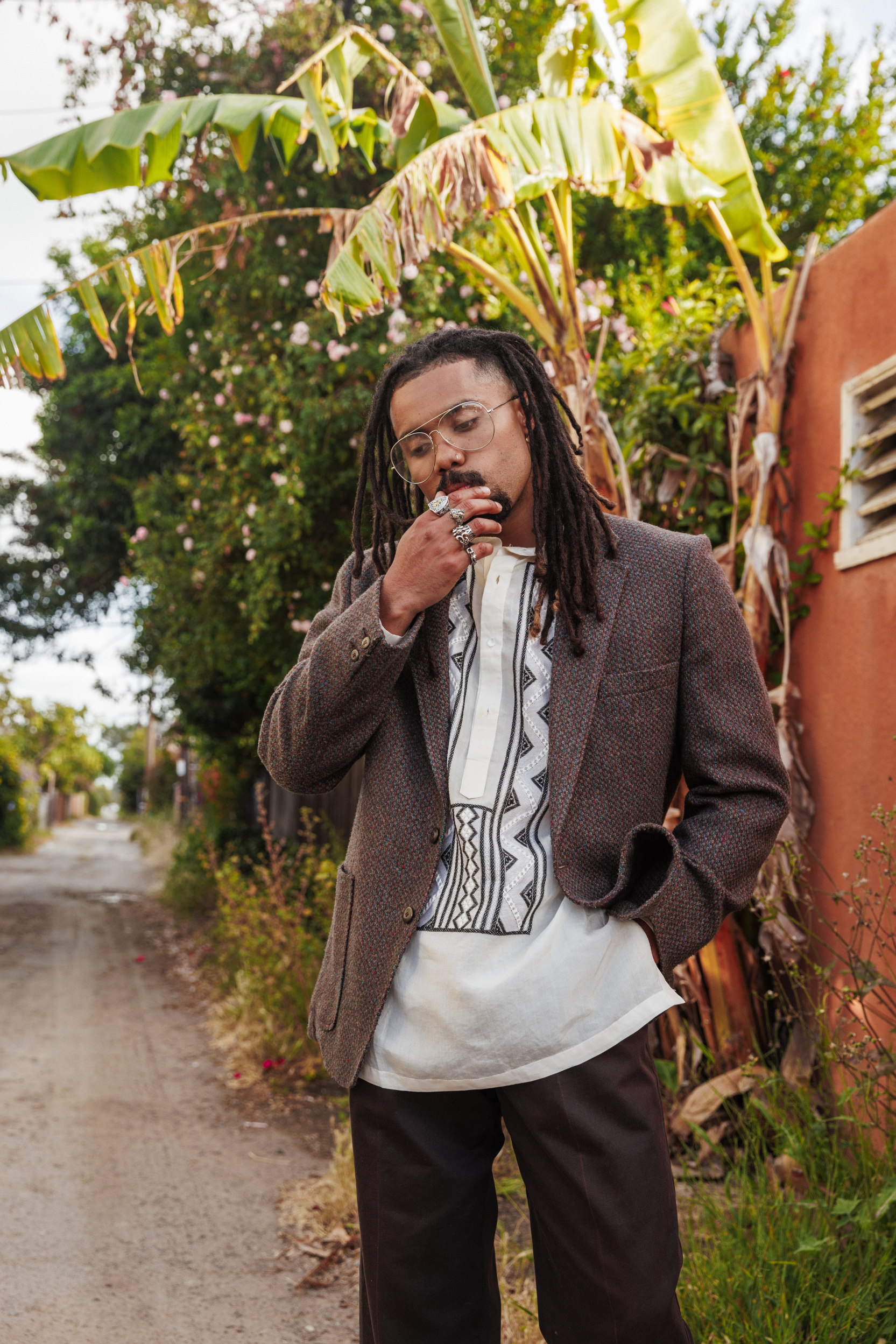
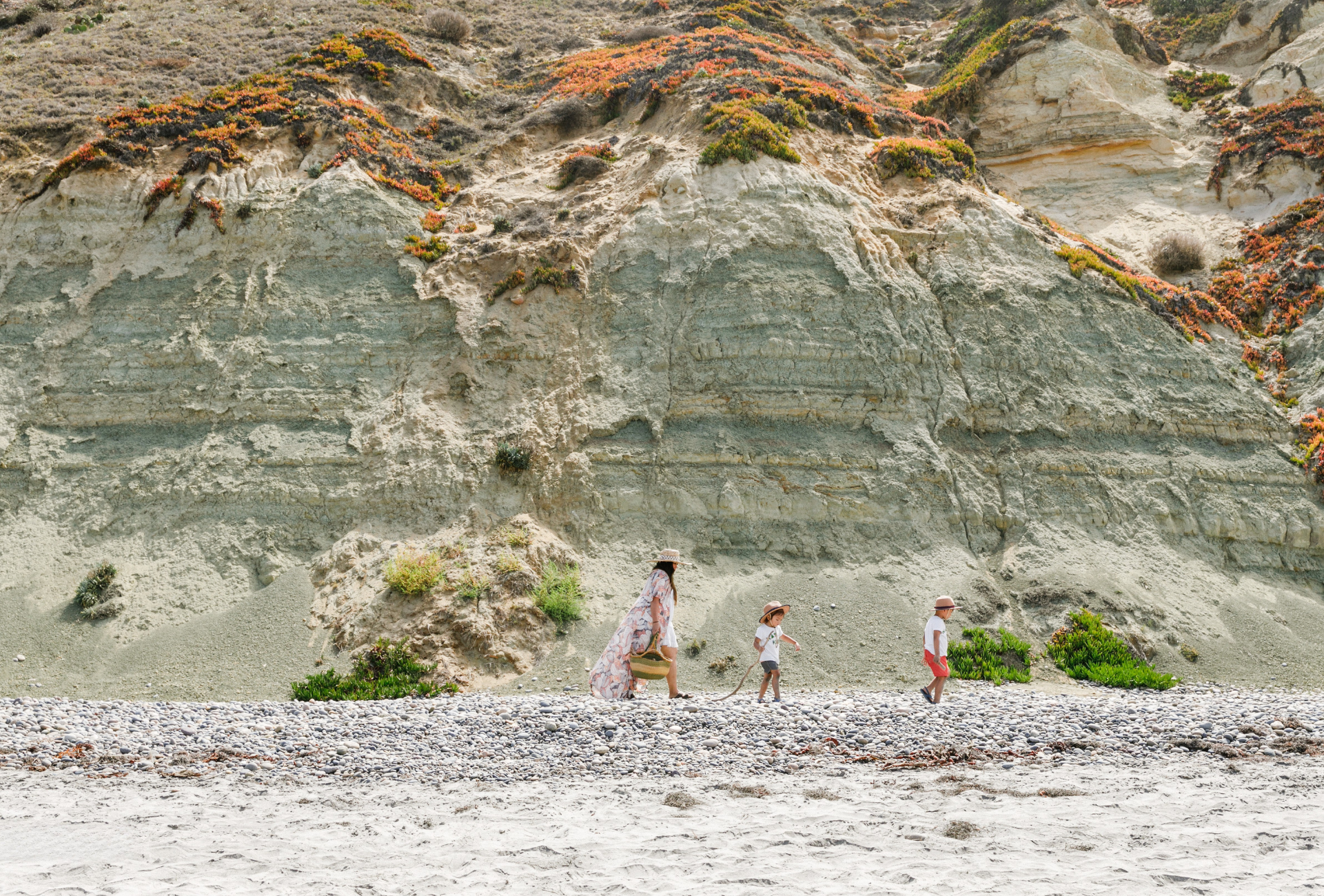
Today, Charlene leads Studio Luniste alongside her husband, Enrique Siliezar, co-founder and videographer. Together they approach photography and film with a sensibility that blends editorial composition with emotional storytelling, documenting cultural moments, creative collaborations, and the subtle rhythms of everyday life. Whether capturing a brand’s identity, an artist at work, or a fleeting expression during an event, Studio Luniste seeks to preserve the quiet poetry of lived experience—moments that might otherwise disappear.
We spoke with Charlene about inspiration, process, and the quiet responsibility photography carries in preserving the ephemeral.
Interview
THE NOUN: What first drew you to photography and film, and when did you realize it was something you wanted to pursue professionally?
CHARLENE:
My first taste of photography and design was magazines. We didn’t have phones or computers for inspiration yet, so magazines and catalogues were huge sources of creative influence when I was growing up.
When I was around ten years old, I would cut up magazines and create what were essentially early vision boards—collecting cool fonts, photoshoots I loved, or even the answers from quizzes I took.
Later, in college, photography and film became a way for me to document the beauty of everyday life. I was already romanticizing my life and imagining what it could become. A lot of that inspiration came from indie films like Amélie, as well as photographers I studied in school, like Garry Winogrand.

THE NOUN: The name Studio Luniste has a beautiful tone to it. What inspired the name?
CHARLENE:
Luniste is actually a made-up word. My husband and I bonded early on by looking up at the night sky together. After closing at work—we met working at Starbucks—I would point out constellations and phases of the moon because I loved sharing my astronomy knowledge. The night sky became something really meaningful for us, especially the moon. It’s powerful, constant, and always there.
I wanted to incorporate the word “lune,” which means moon in French, but it needed a little more presence. So I paired it with “-ist,” like artist. Then we added Studio to give it a more formal identity. That’s how we became Studio Luniste.
THE NOUN: How would you describe the visual atmosphere or emotional quality you aim to capture in your photographs and films?
CHARLENE:
More than anything, I want people to feel something when they see my work. It could be inspiration, awe, sadness, happiness, melancholy—or even just a sense of connection.
My editing style tends to lean editorial. I like images that feel classic and timeless, but I’m also willing to experiment if it enhances the emotion of the photograph.
THE NOUN: Photography often captures something fleeting—light, expression, movement. What kinds of moments do you feel most compelled to preserve?
CHARLENE:
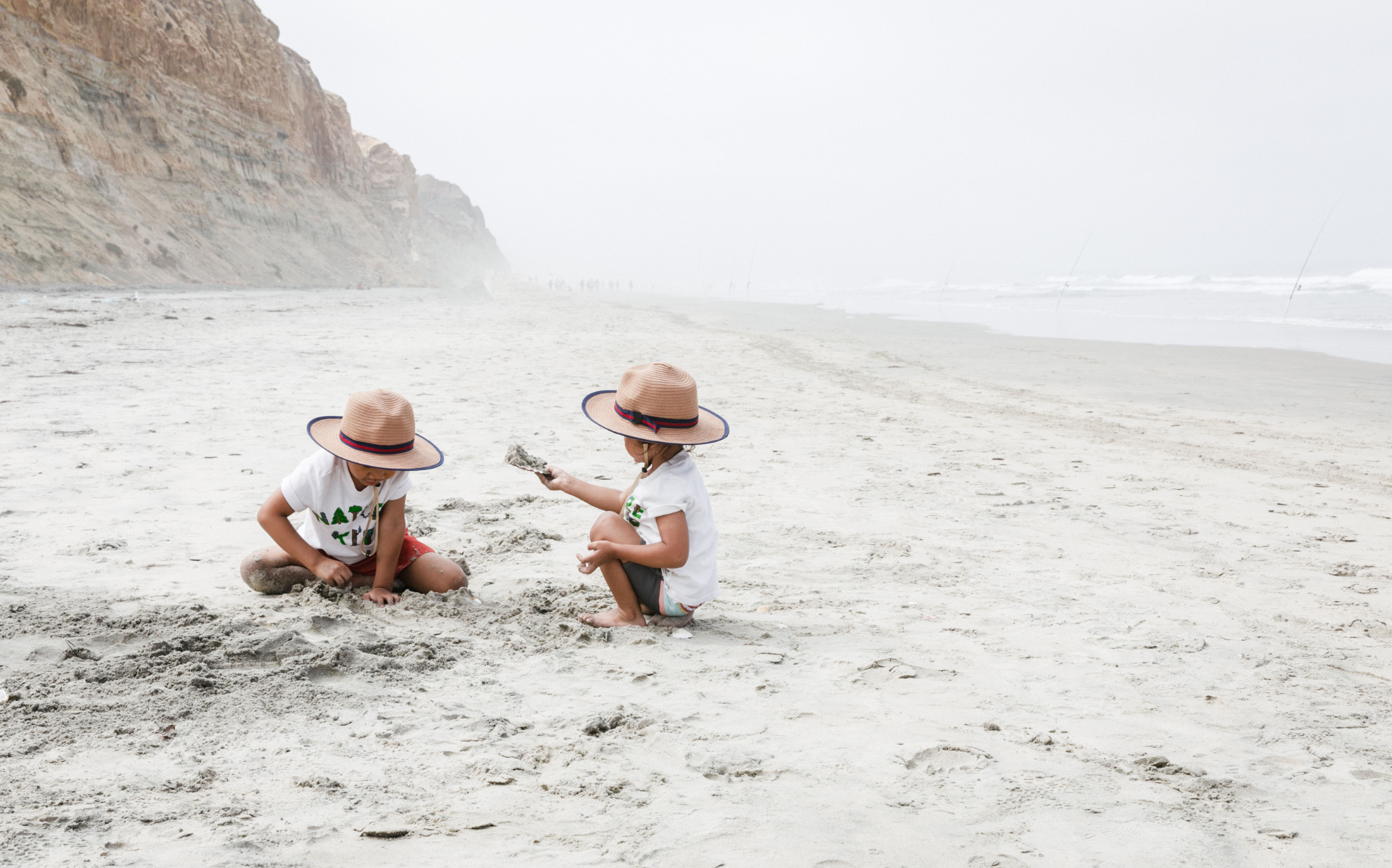
Honestly, I want to preserve everything. As photographers, we have to think quickly on our feet and be aware of everything happening around us. But if I had to choose one thing, it would be light.
Light can be dramatic, whimsical, warm—it shapes everything. Even if light were the only compelling element in a moment, it could still create a beautiful photograph.
THE NOUN: Can you walk us through your creative process, from the initial concept to the final edited image or film?
CHARLENE:
When inspiration hits, I start with a moodboard. I search everywhere—not just Pinterest but Instagram, TikTok, and especially print magazines. Then I sit down and figure out how to create something authentic based on the concept and my own vision.
Next comes gathering props, which is honestly the most fun part. I love visiting boutiques, swap meets, and antique stores to find pieces that bring the idea to life. If the shoot involves multiple people, I create a call sheet so everyone is aligned. During the shoot, I try to stay close to the shot list—but if something organic happens, I’m completely open to following that moment.
Post-production is where everything finally comes together. Editing can feel overwhelming, but it’s also the most rewarding part of the process.
THE NOUN: What has been one of the most meaningful projects you’ve worked on so far?
CHARLENE:
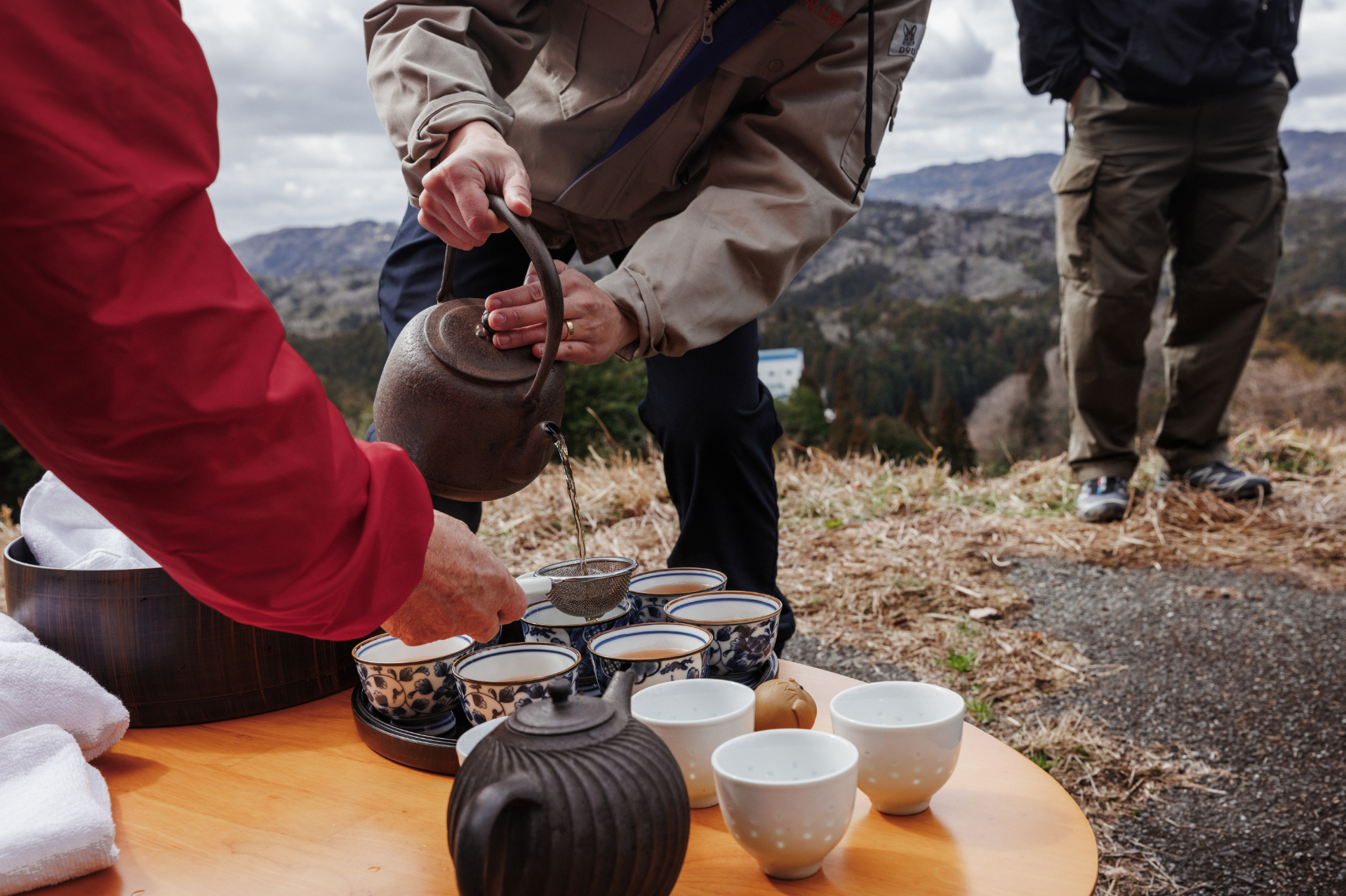
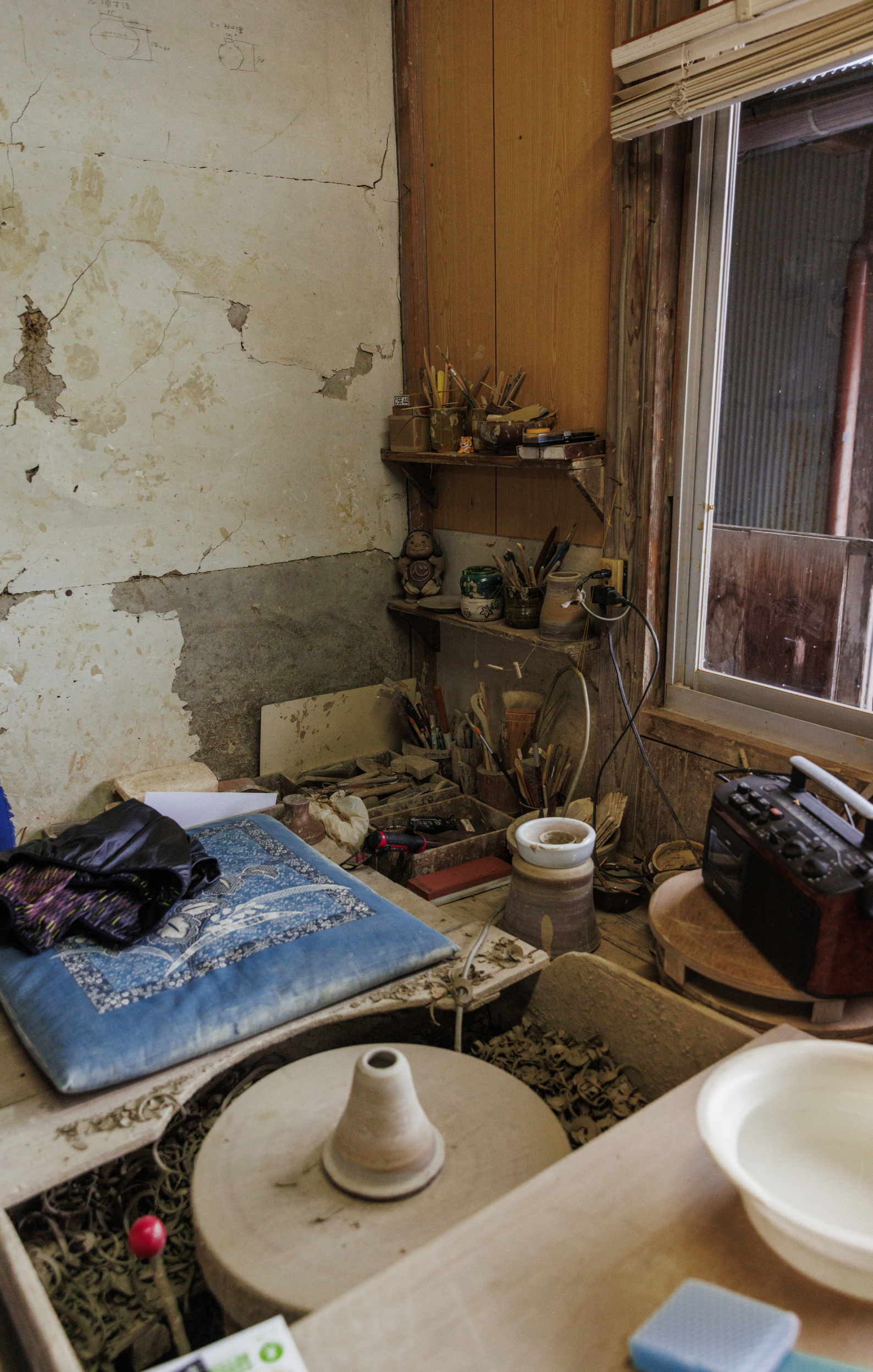
One of the most meaningful experiences I’ve had was documenting a client’s trip to Japan. We visited tea farmers, artists, and small businesses in Shizuoka and Kyoto. We were able to explore, connect with people, and visit family homes that had been part of the tea industry for generations. Seeing that kind of history and dedication up close was incredibly humbling. It’s an experience I’ll never forget.



THE NOUN: Looking ahead, what kinds of projects or collaborations would you love to explore next?
CHARLENE:
I’d love to focus more on documenting culture and community. Capturing life as it unfolds. Everyone has a story worth telling—big or small. Visual representation matters. If I can give people a platform or create images that empower them, that’s the kind of work I want to continue exploring.

CONTACT
Charlene Siliezar
San Diego, California | United States
Website: studioluniste.com
Instagram: @studio.luniste
Email: hello@studioluniste.com
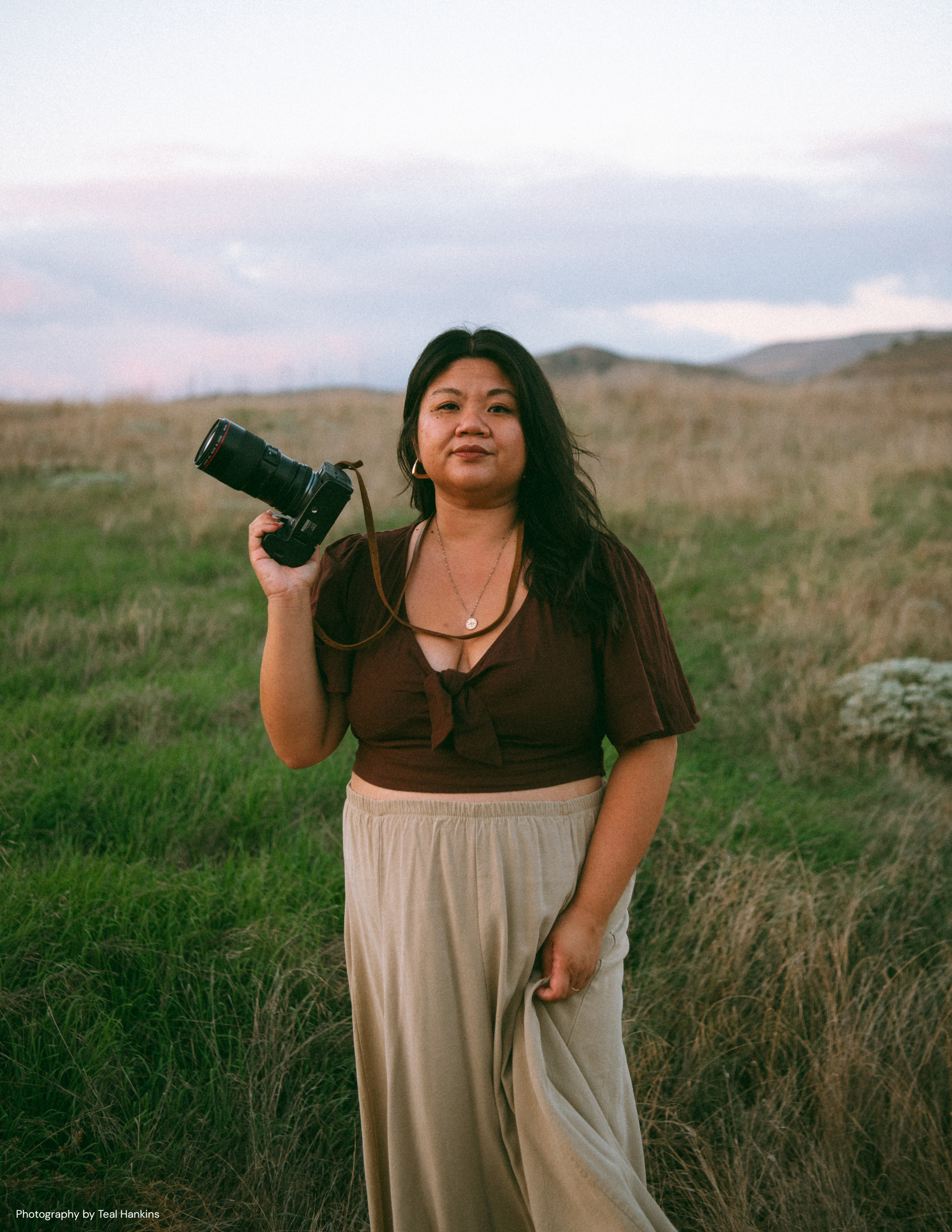
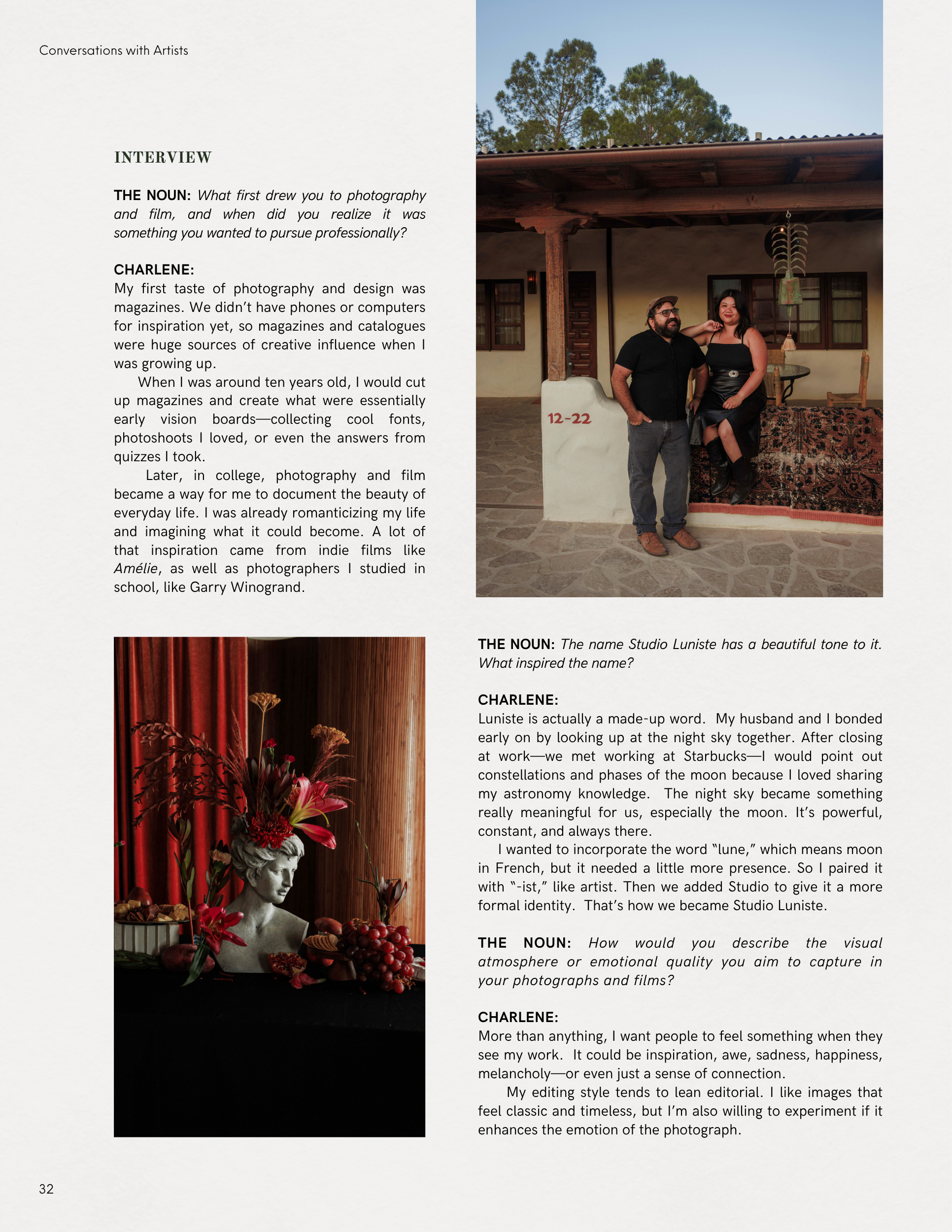
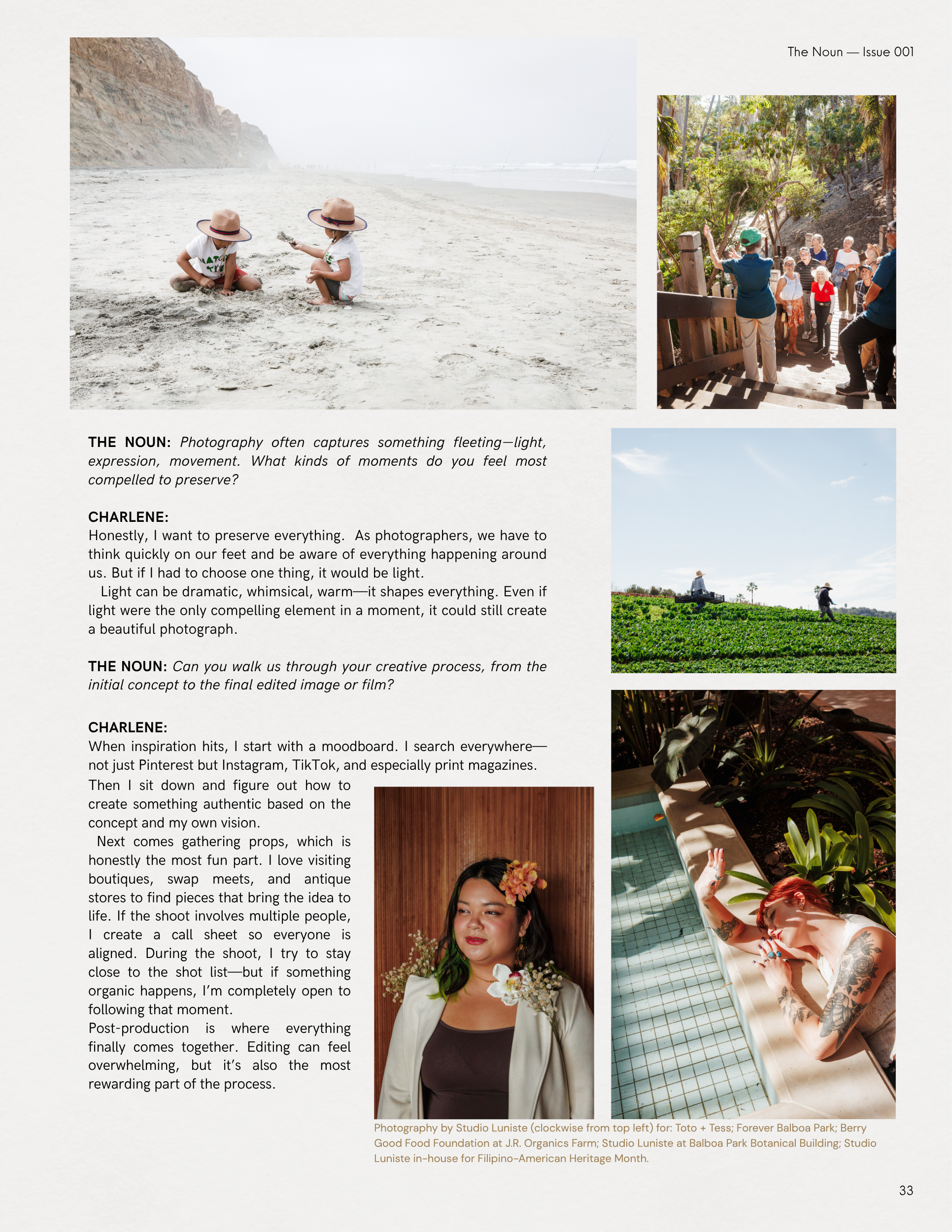
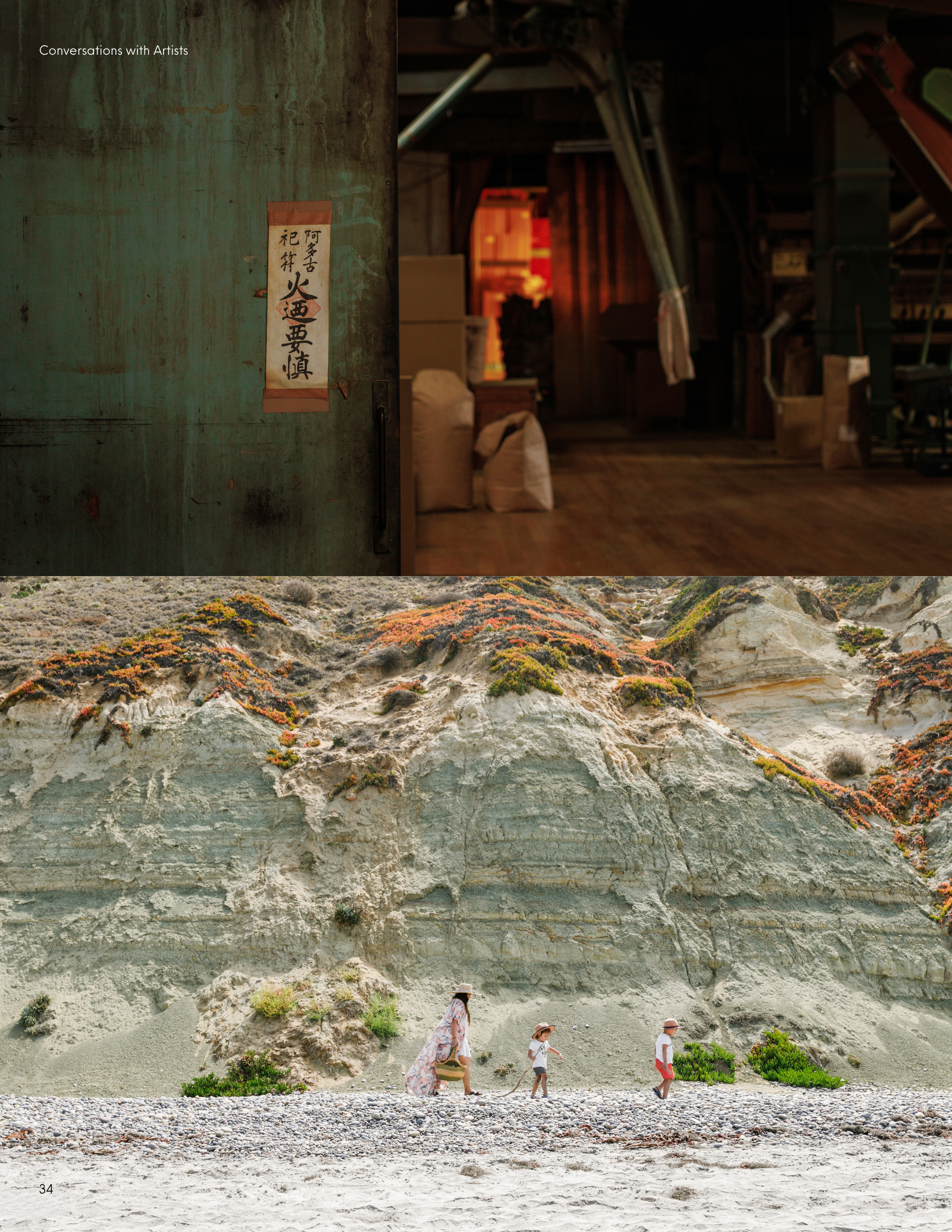
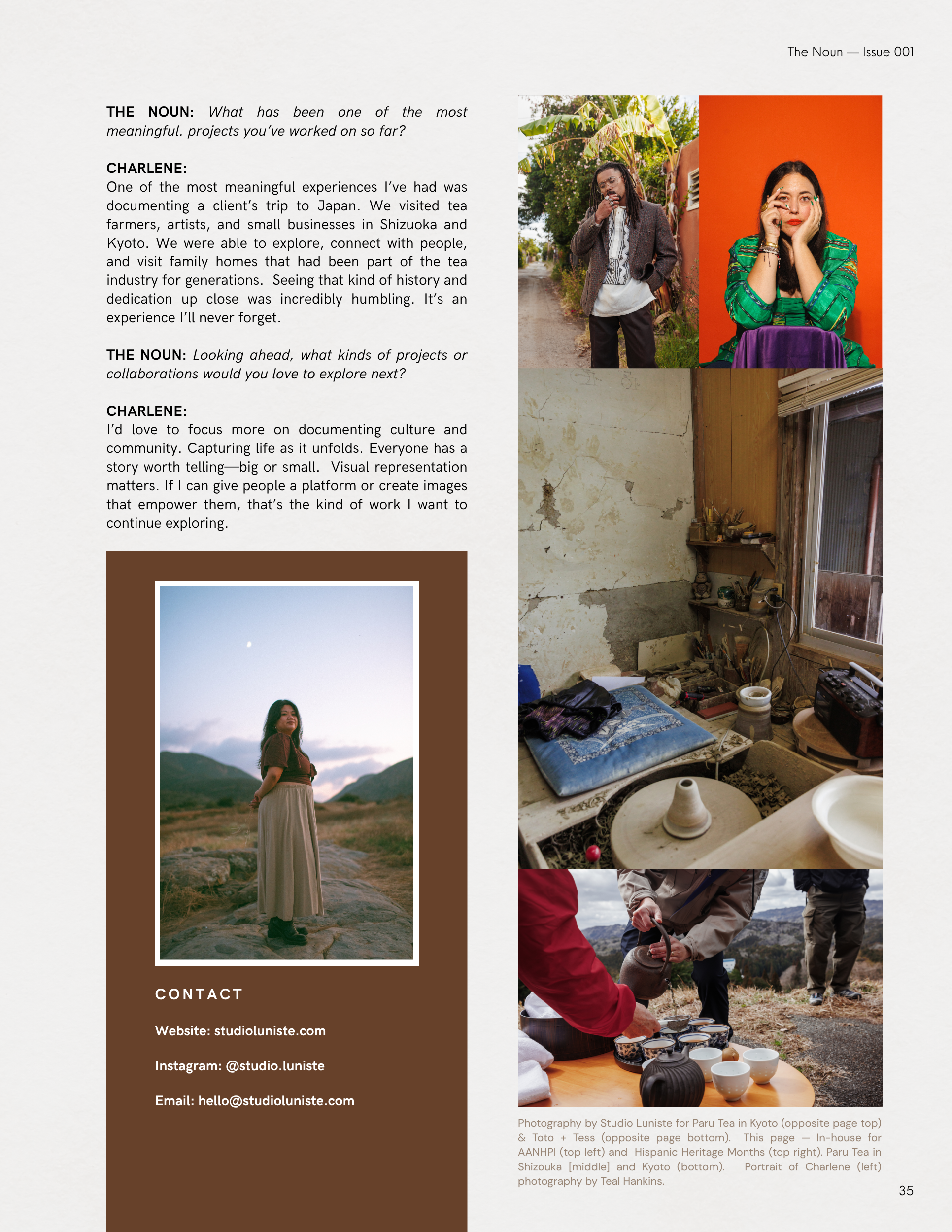
Portraits of Charlene by Teal Hankins. All other photography by Studio Luniste.