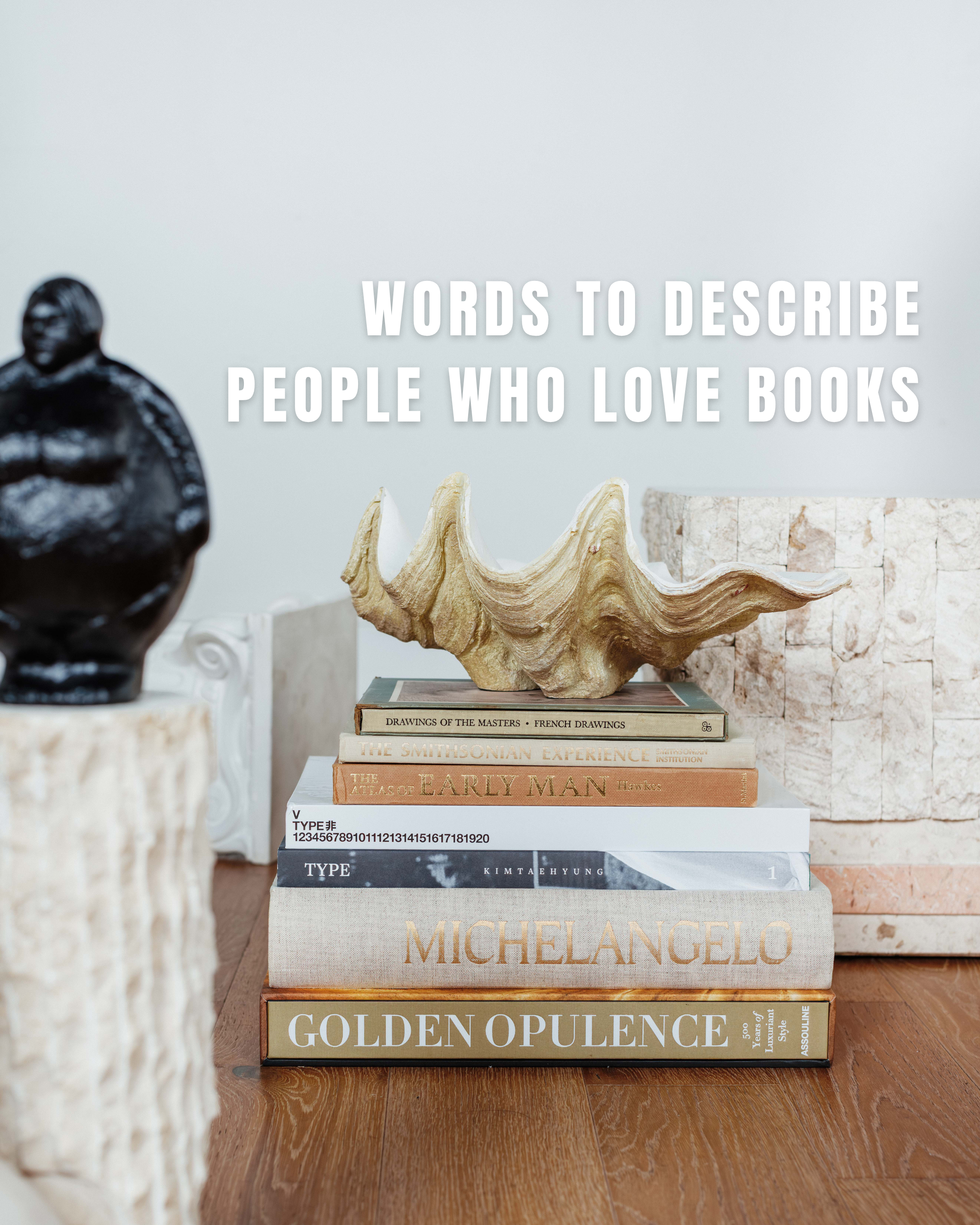
Words for People Who Love Books
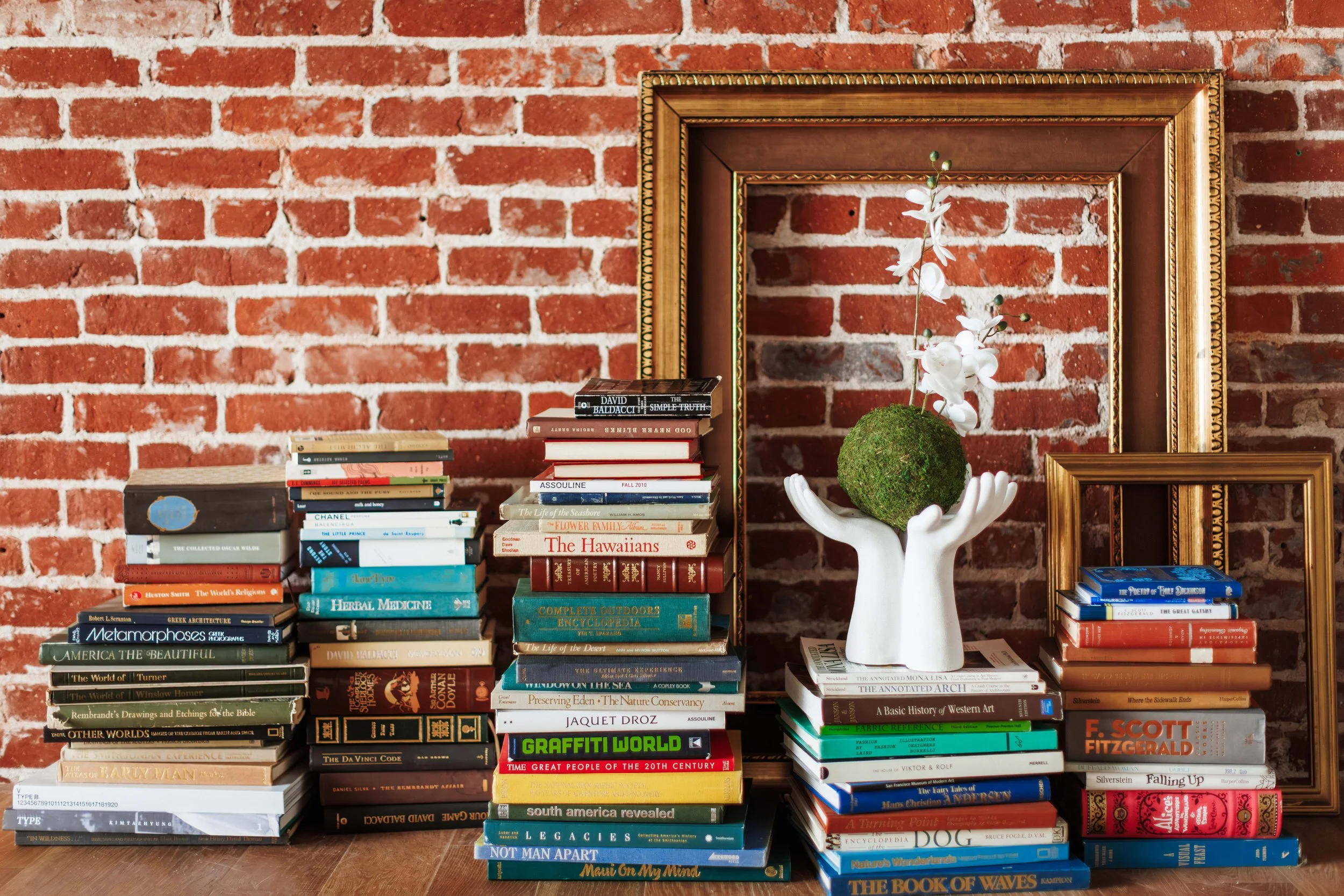
Some people read books.
Others build lives around them.
Across Japan, Korea, Italy, and France, these words reveal the ways people live beside books — stacking them, collecting them, displaying them, dreaming through them.
Like many things in life, meaning is often found in the process itself. Not everything needs to be finished to hold value.
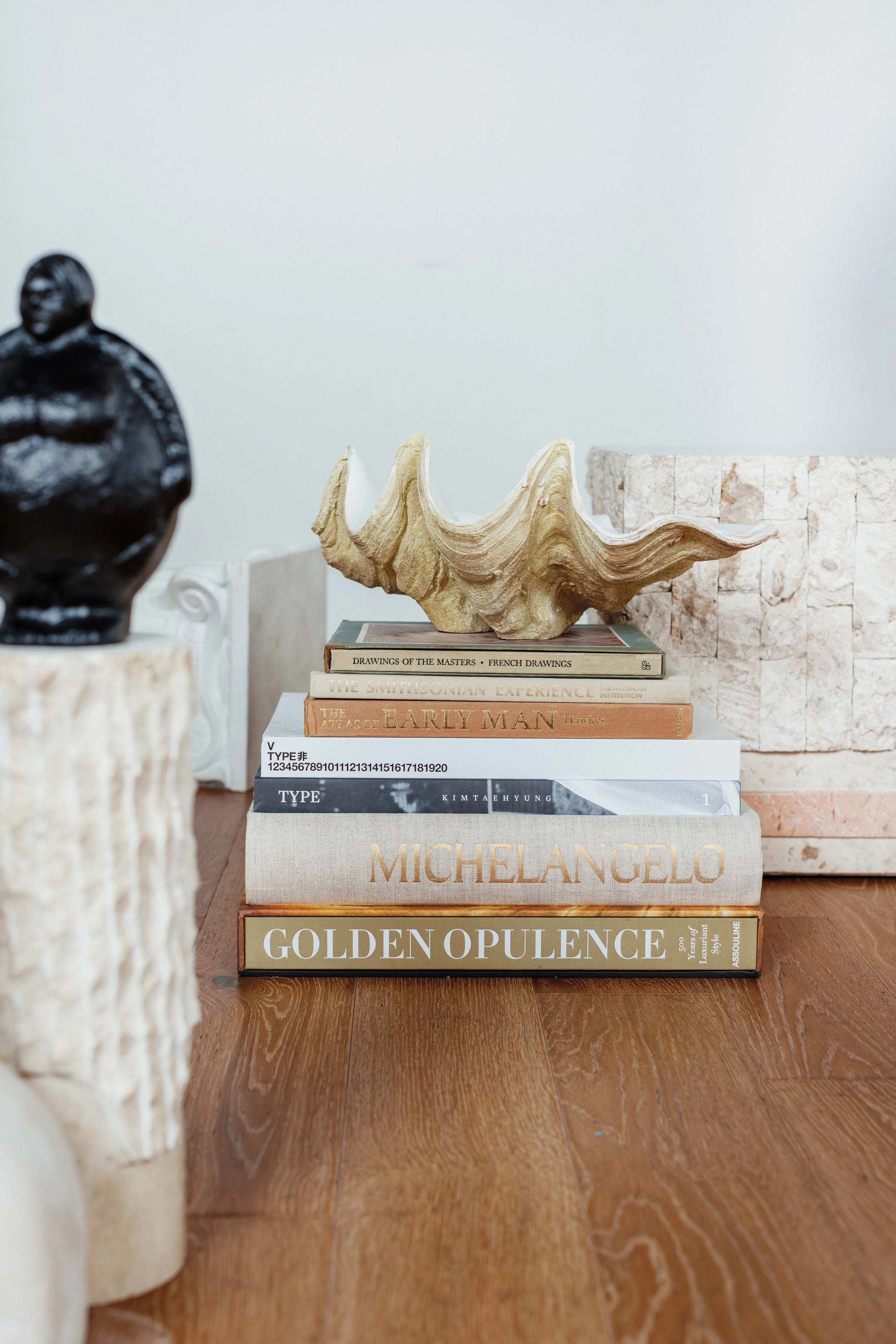
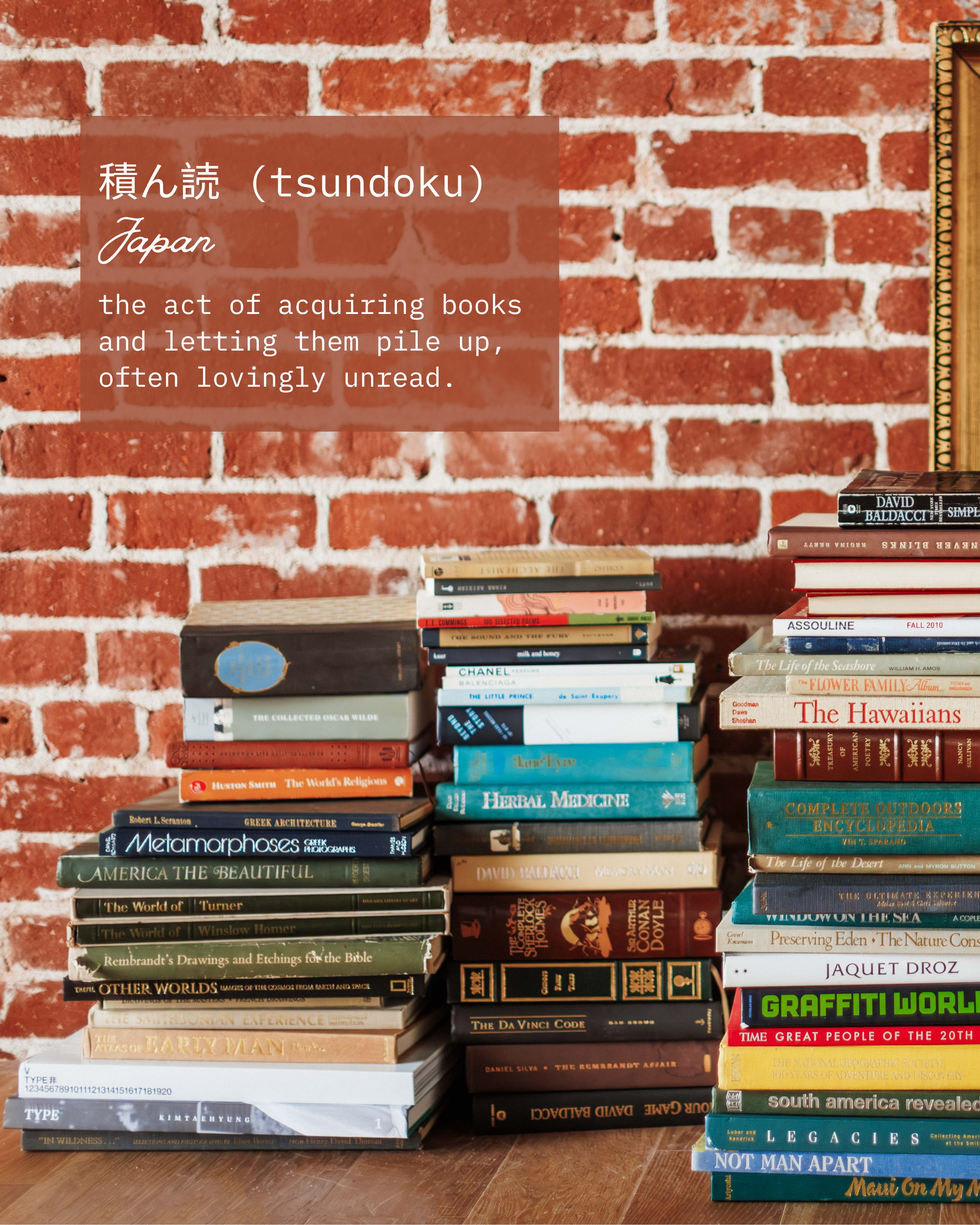
積ん読 (Tsundoku) — Japan
The act of acquiring books and letting them pile up, often lovingly unread.
Originally combining the Japanese words for “stacking things” and “reading,” tsundoku reflects the optimism of possibility. A pile of unread books is not failure, but evidence of curiosity.
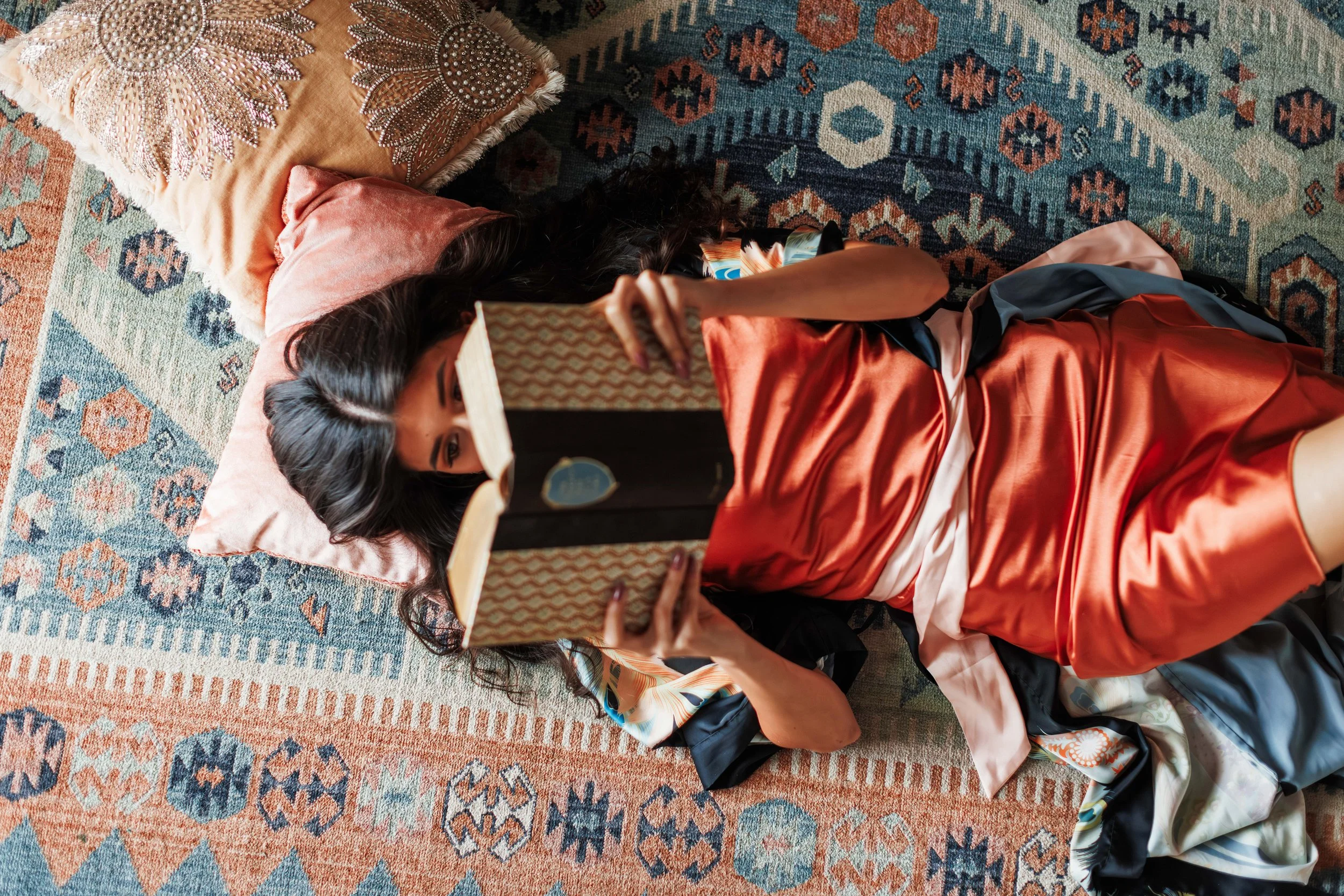
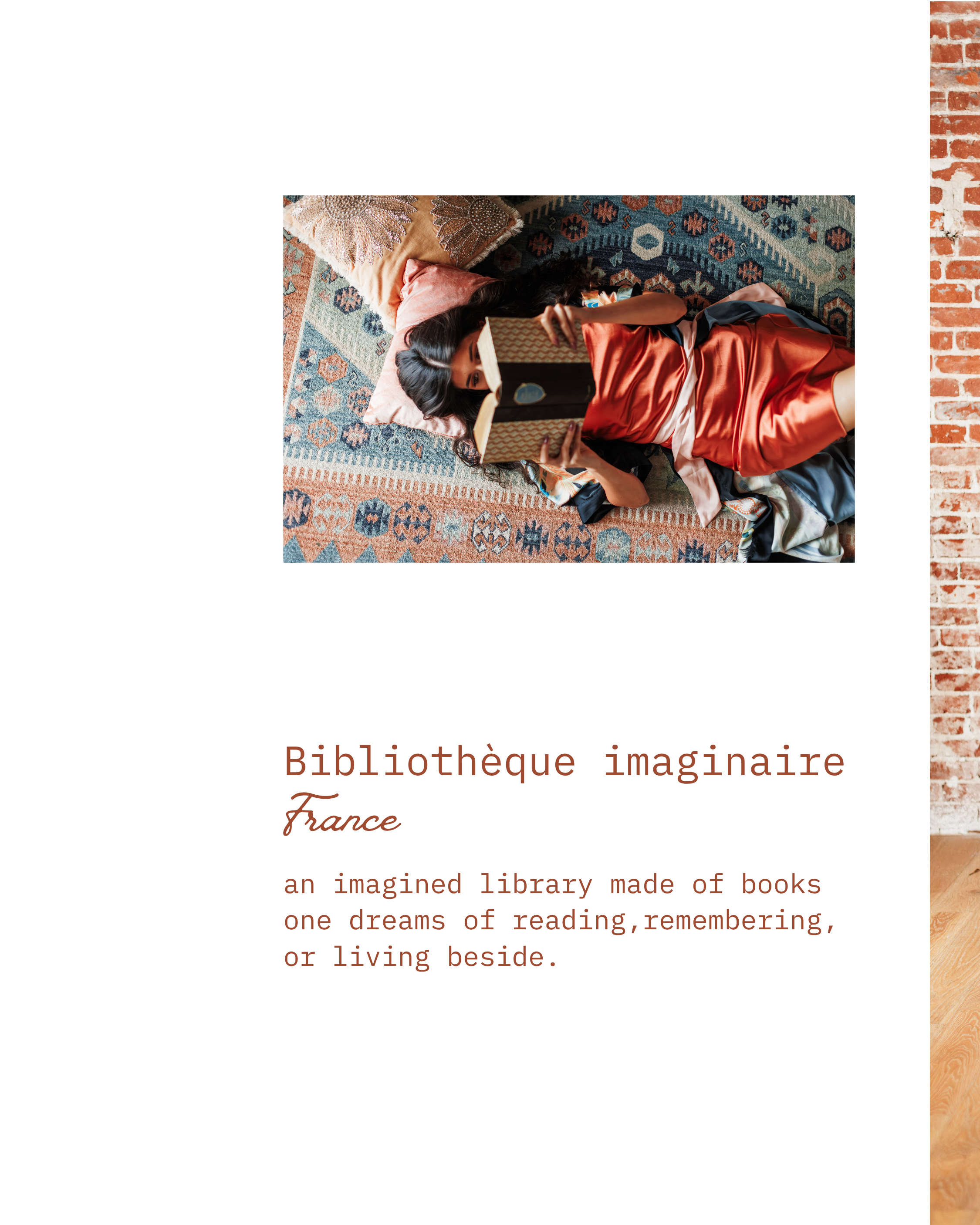
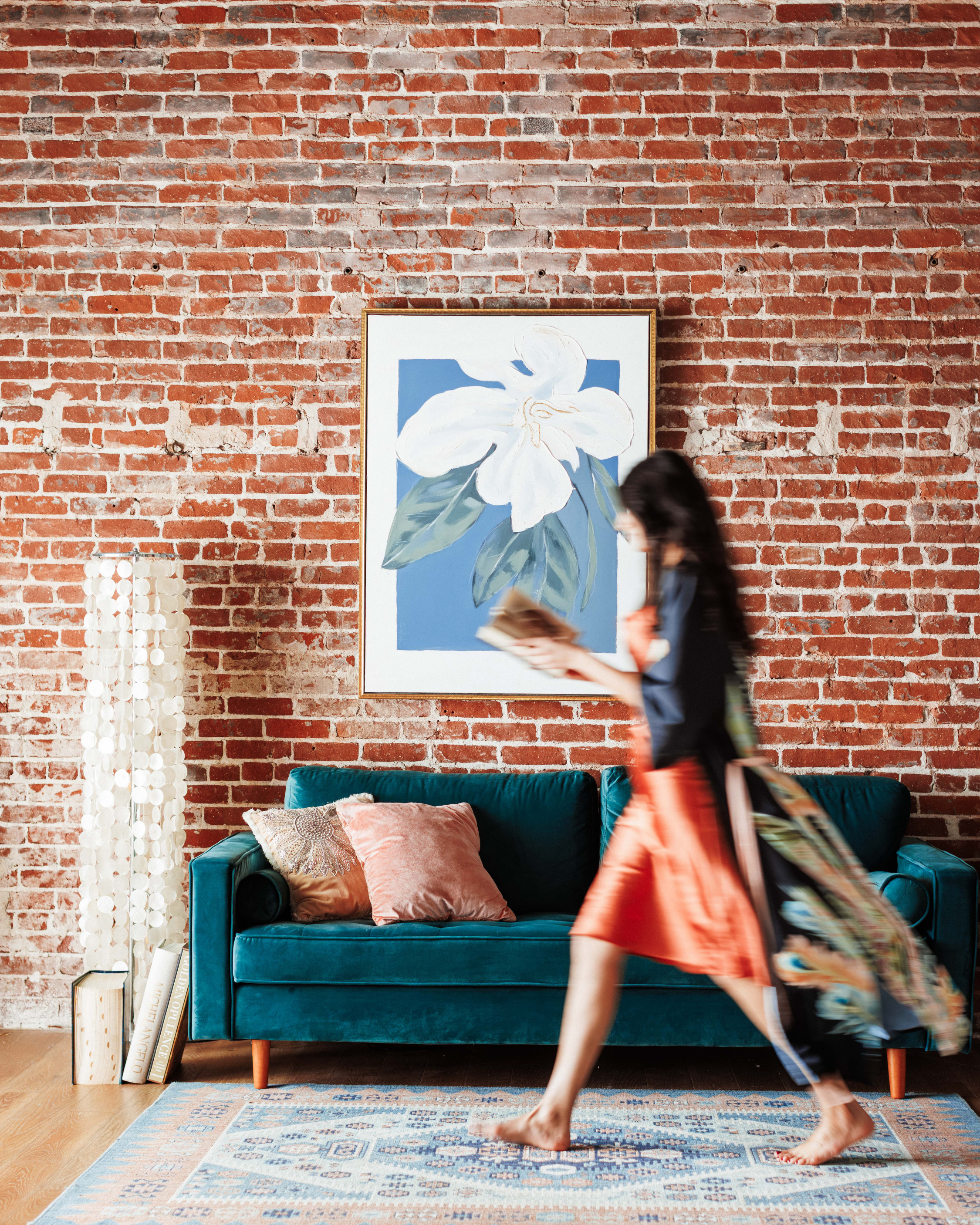
Bibliothèque imaginaire — France
An imagined library made of books one dreams of reading, remembering, or living beside.
More atmospheric than literal, the idea of an imaginary library reflects the emotional architecture books create around a person’s life.

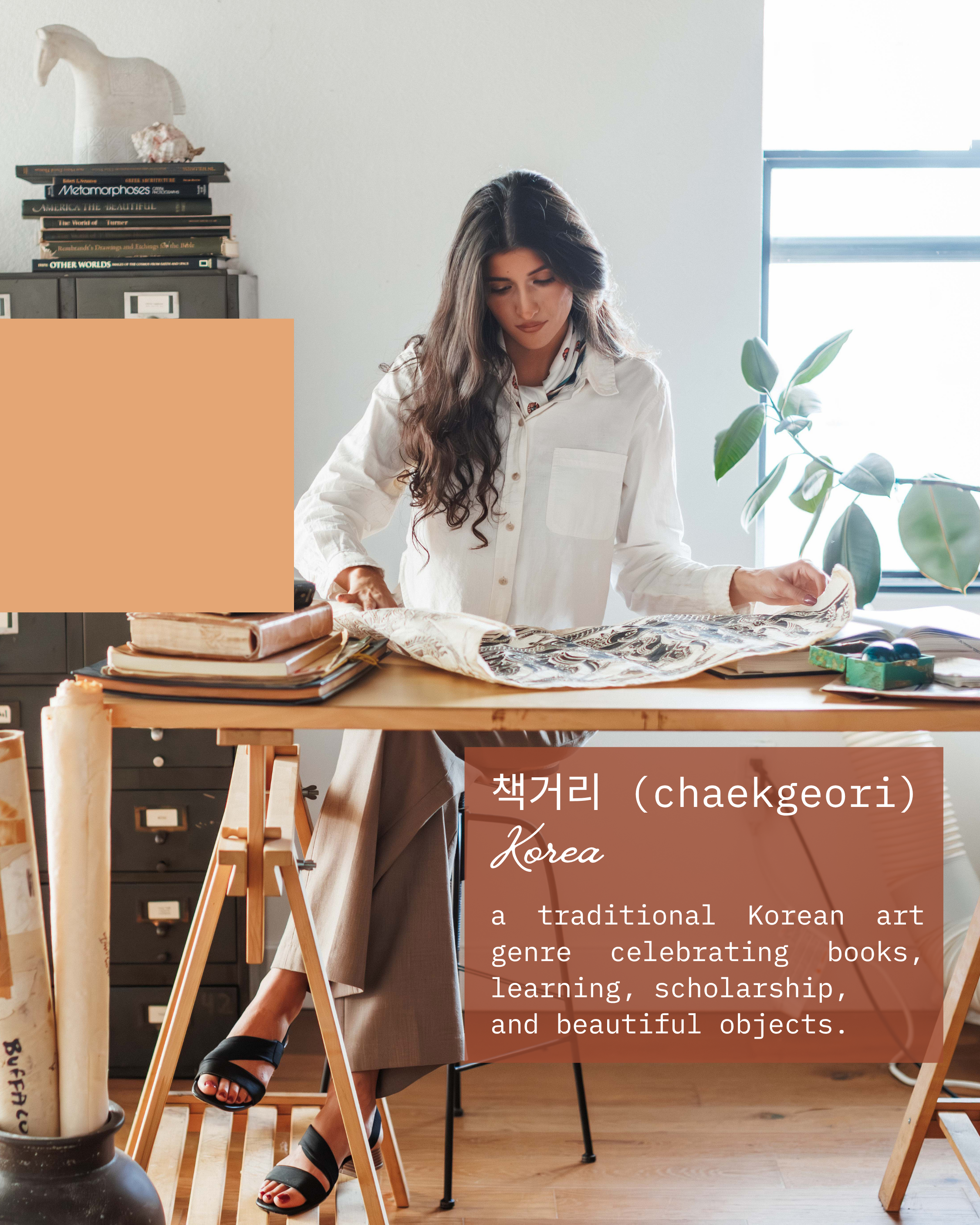
책거리 (Chaekgeori) — Korea
A traditional Korean art genre celebrating books, scholarship, learning, and beautiful objects.
Emerging during Korea’s Joseon dynasty, chaekgeori paintings often depicted books alongside ceramics, fruit, stationery, and scholarly artifacts — transforming intellectual life into a still life.
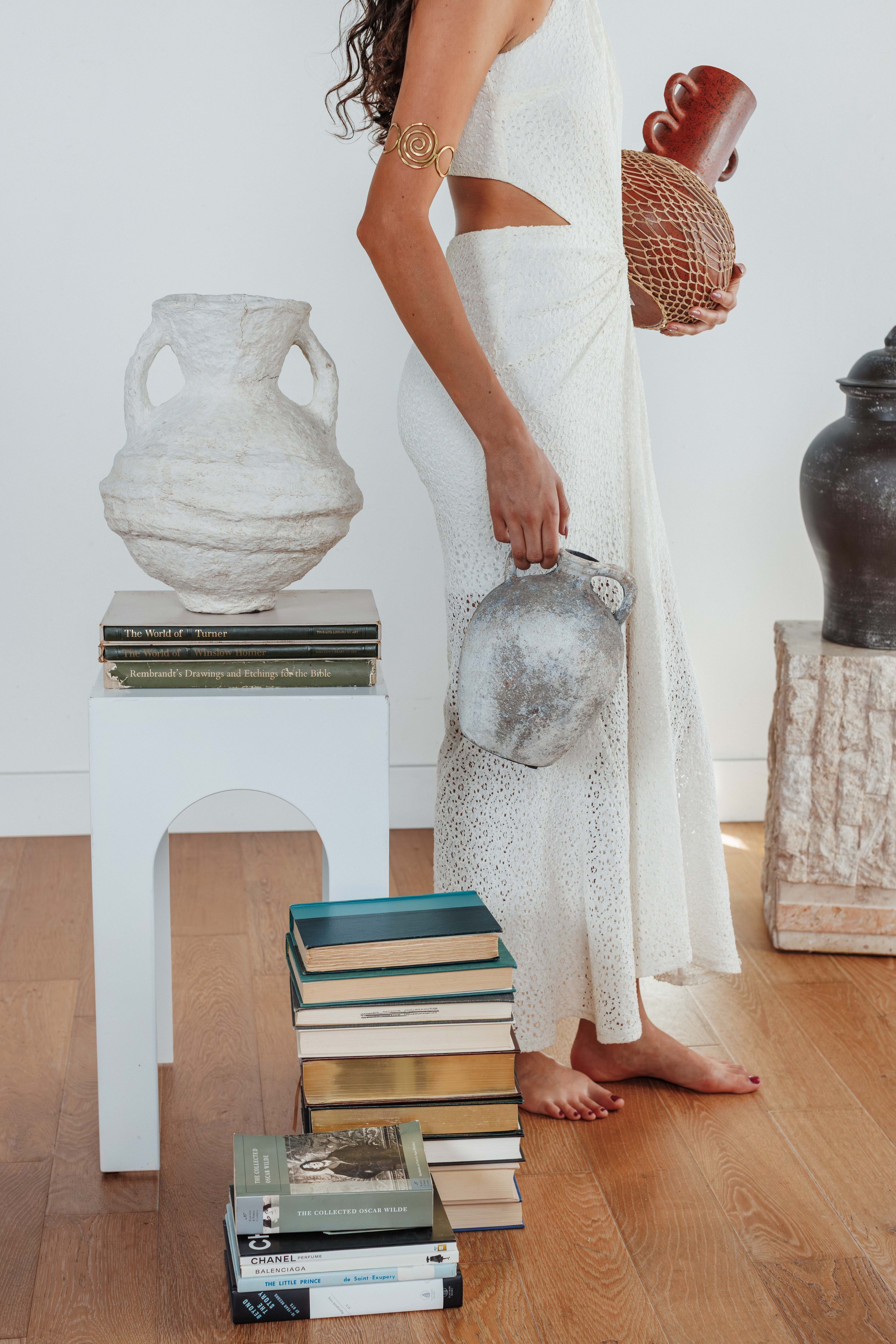
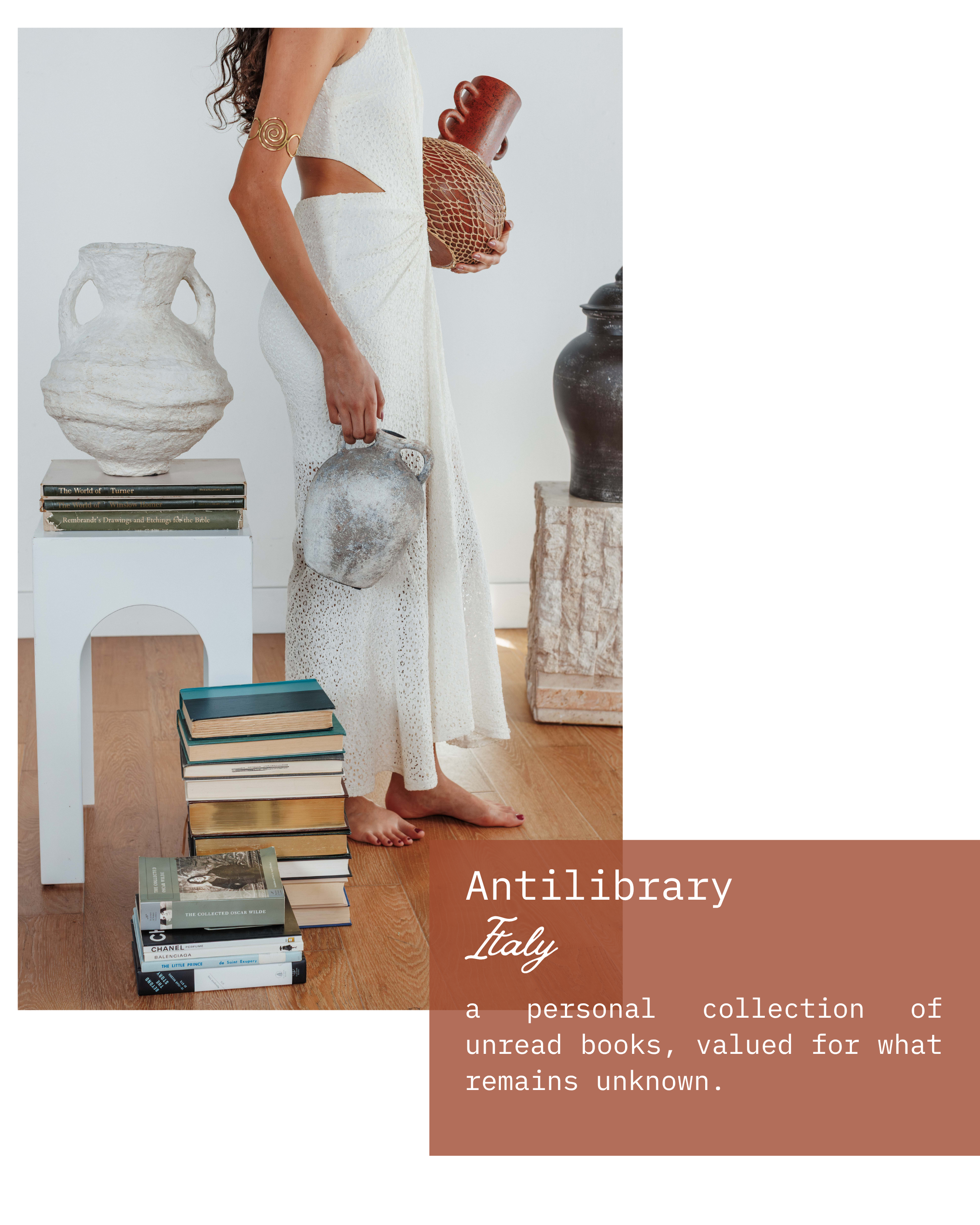
Antilibrary — Italy
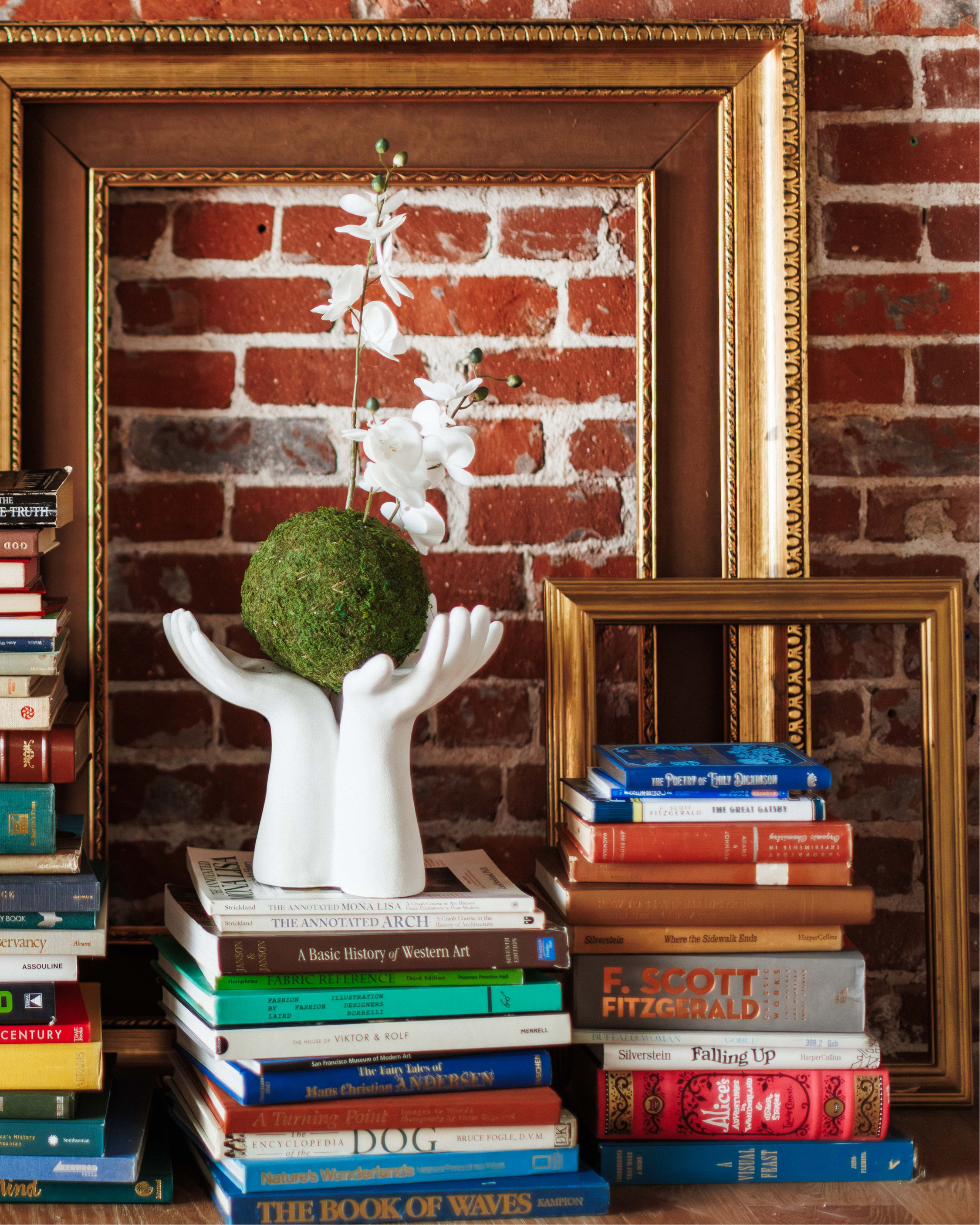
A personal collection of unread books, valued for what remains unknown.
Associated with Italian writer Umberto Eco, the concept of the antilibrary suggests that unread books may hold more value than completed ones. They remind us how much remains to be discovered.
Click arrows to see scroll through our visual display of these words. See it on our instagram here.